
Cooperation with the Space Research and Technology Agency
National University of Uzbekistan continues to play a leading role in reducing the risks of natural disasters, mitigating their consequences, and improving early warning systems in the country. In recent years, collaboration with the Space Research and Technology Agency under the Ministry of Digital Technologies has significantly expanded, with joint scientific and practical projects being implemented in the fields of aerospace and geospatial research.
Representatives of the Aerospace Research Center established at NUU and professors from the Department of Geodesy and Geoinformatics of the Faculty of Geography and Geoinformation Systems recently held a meeting with the leadership of the Space Monitoring and Geo-information Technologies Center of the Space Research and Technology Agency. The meeting focused on developing and implementing an integrated framework for assessing urban climate stress factors based on geospatial research, as well as on improving coordination in data collection, analysis, and practical applications.
This cooperation is particularly important for Tashkent and its surrounding areas, which are known for high seismic activity and dense population. Experts note that the Tashkent valley, including the mountainous areas near Qibray and Bo‘stonliq, faces a real risk of earthquakes. Using space monitoring technologies, researchers can track tectonic movements, detect land shifts, and develop early warning systems that could save lives and reduce damages.
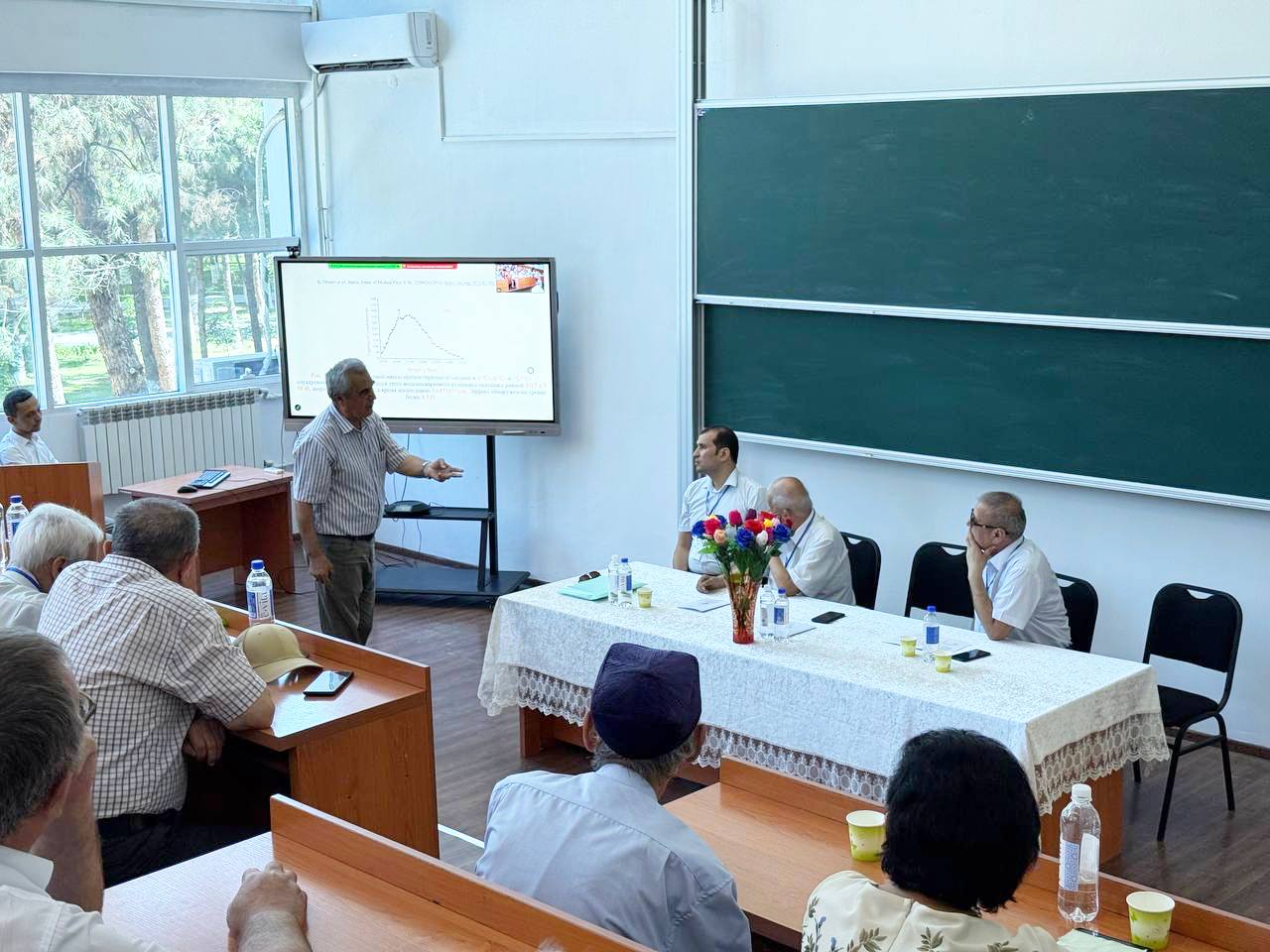
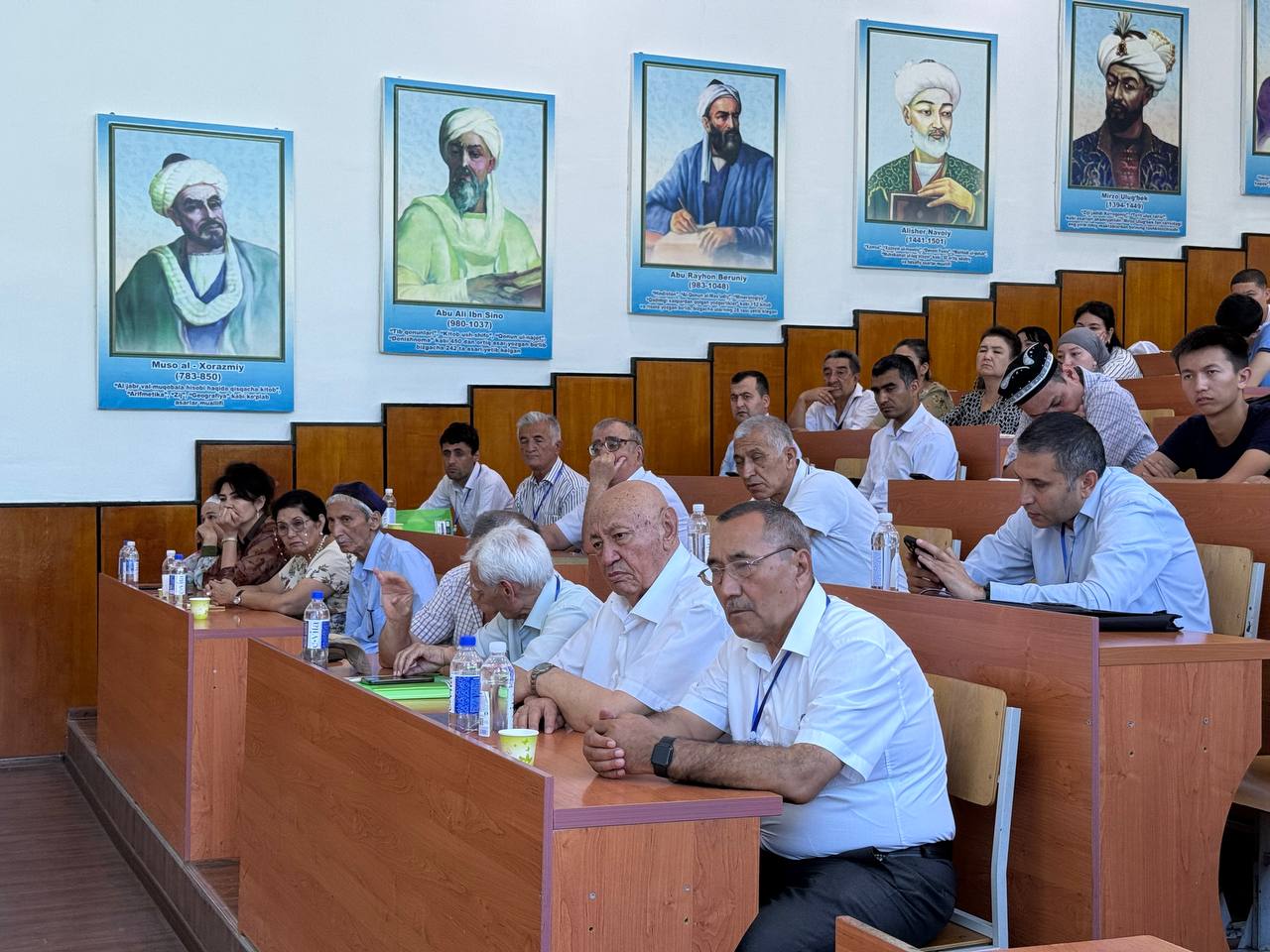
In addition to seismic risks, urban environmental stress factors have become a major concern in Tashkent. The growing population, intense transportation, industrial emissions, and the reduction of green areas all negatively affect the city’s microclimate. Through aerospace research, scientists at NUU are collecting valuable data on urban heat islands, air quality dynamics, and green zone monitoring. These findings will serve as a foundation for developing sustainable urban and environmental management strategies.
Across Central Asia, the diversity of natural disasters: earthquakes, floods, droughts, dust storms, and landslides poses regional challenges. NUU researchers are working not only within Uzbekistan but also on establishing a regional data exchange network for transboundary monitoring and early response.
Within this cooperation, both institutions plan to train international-level specialists, develop new educational programs in geoinformatics and aerospace studies, prepare regulatory and methodological documents, and build a comprehensive space imagery and geospatial data base. These efforts will contribute to sustainable urban governance, ecological safety, and climate resilience across the region.
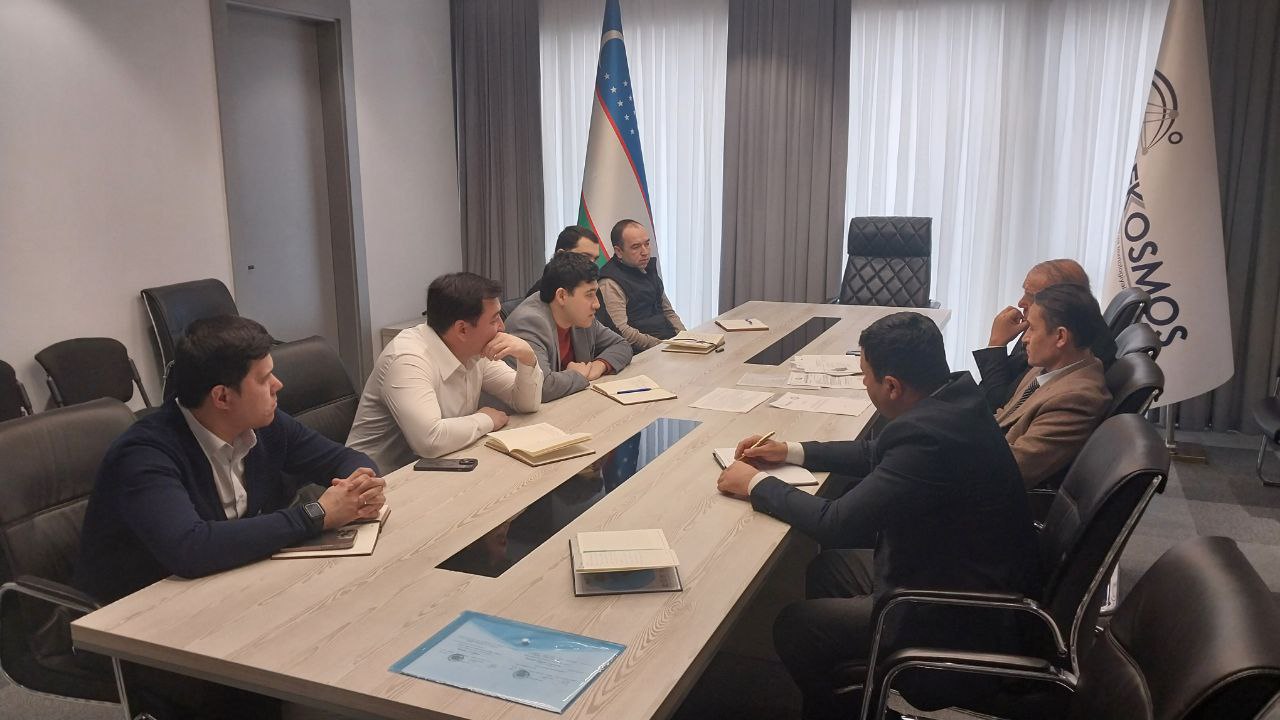

NUU professors and young researchers continue to strengthen their collaboration through joint seminars, scientific exchanges, and laboratory-based projects. Specialists from the Department of Geodesy and Geoinformatics are currently developing digital terrain models, space observation analyses, and hydrological and climatic stress maps for Tashkent and the broader Central Asian region.
In the near future, the outcomes of this partnership are expected to contribute not only to scientific advancement but also to public safety, disaster preparedness, and environmental protection. Thus, the strategic cooperation between the National University of Uzbekistan and the Space Research and Technology Agency stands as a model of how science, technology, and societal sustainability can be harmoniously integrated for the benefit of the region.