
In line with growing global concerns over climate-related disasters and their potential to displace communities both within and across borders, Uzbekistan National University (O‘zMU) has taken active steps to strengthen its disaster preparedness framework. The university’s recent initiatives reflect a commitment to cooperative planning with government bodies in managing the human impact of emergencies such as earthquakes and other natural hazards.
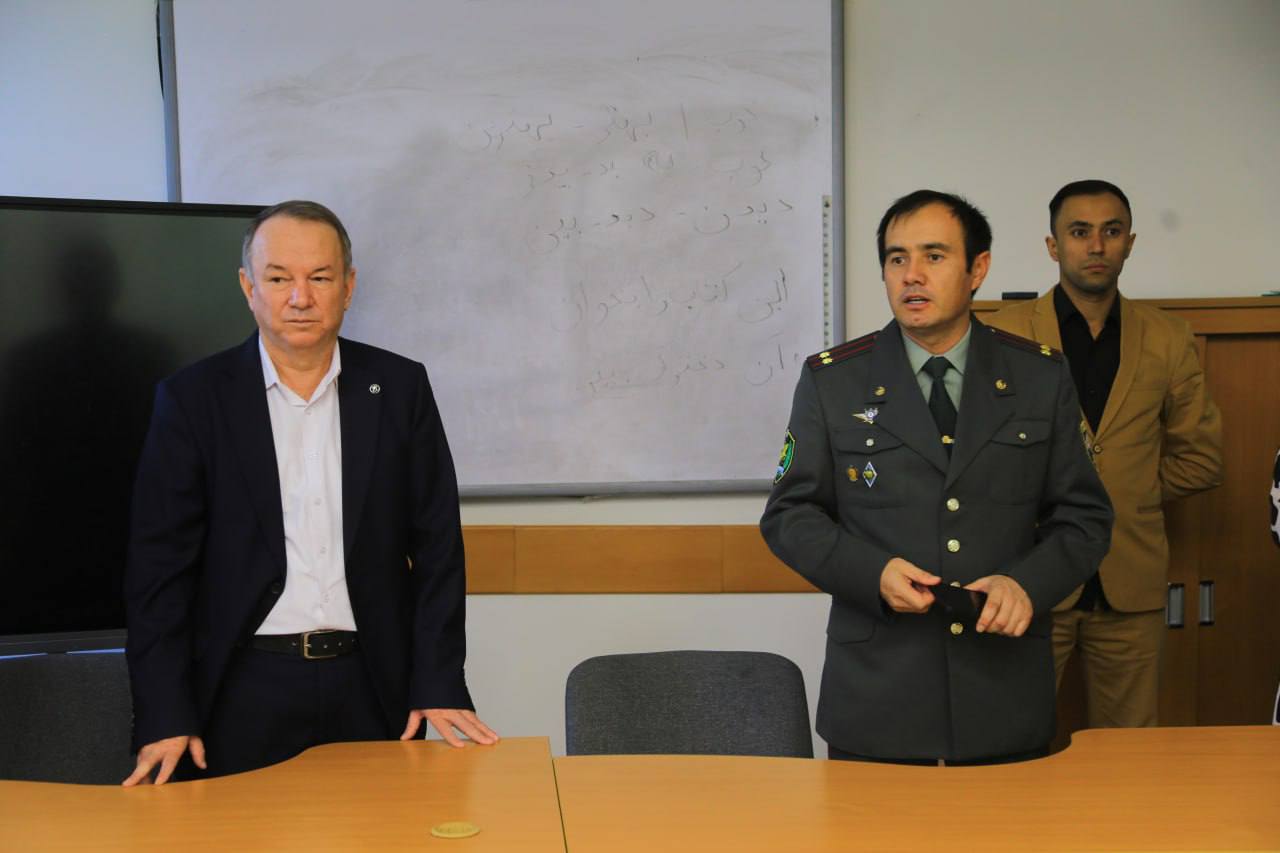
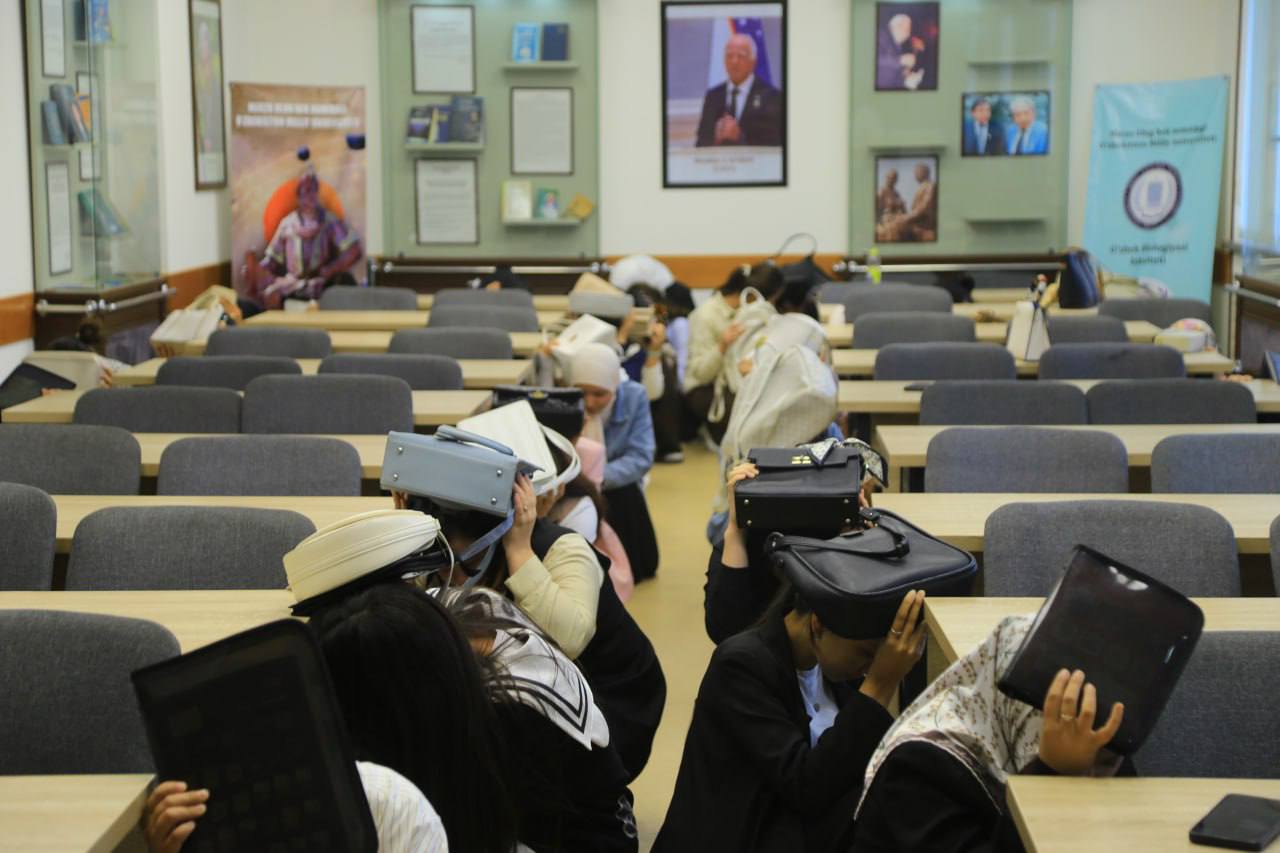
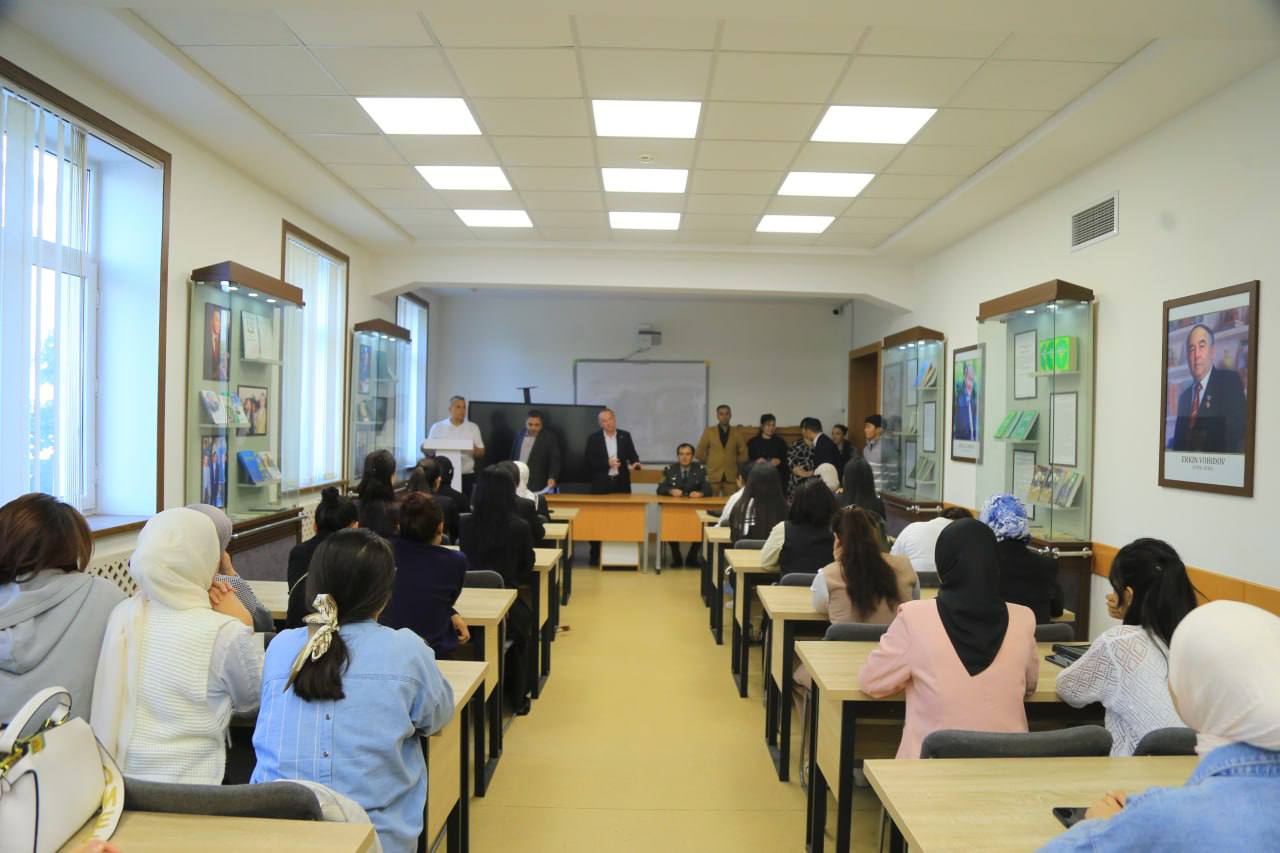
As part of these efforts, a practical emergency response drill was held at the university for students from the Faculty of Journalism and the Faculty of Uzbek Philology. The training focused on building critical skills necessary during natural disasters, particularly earthquakes — a significant risk in the Central Asian region.
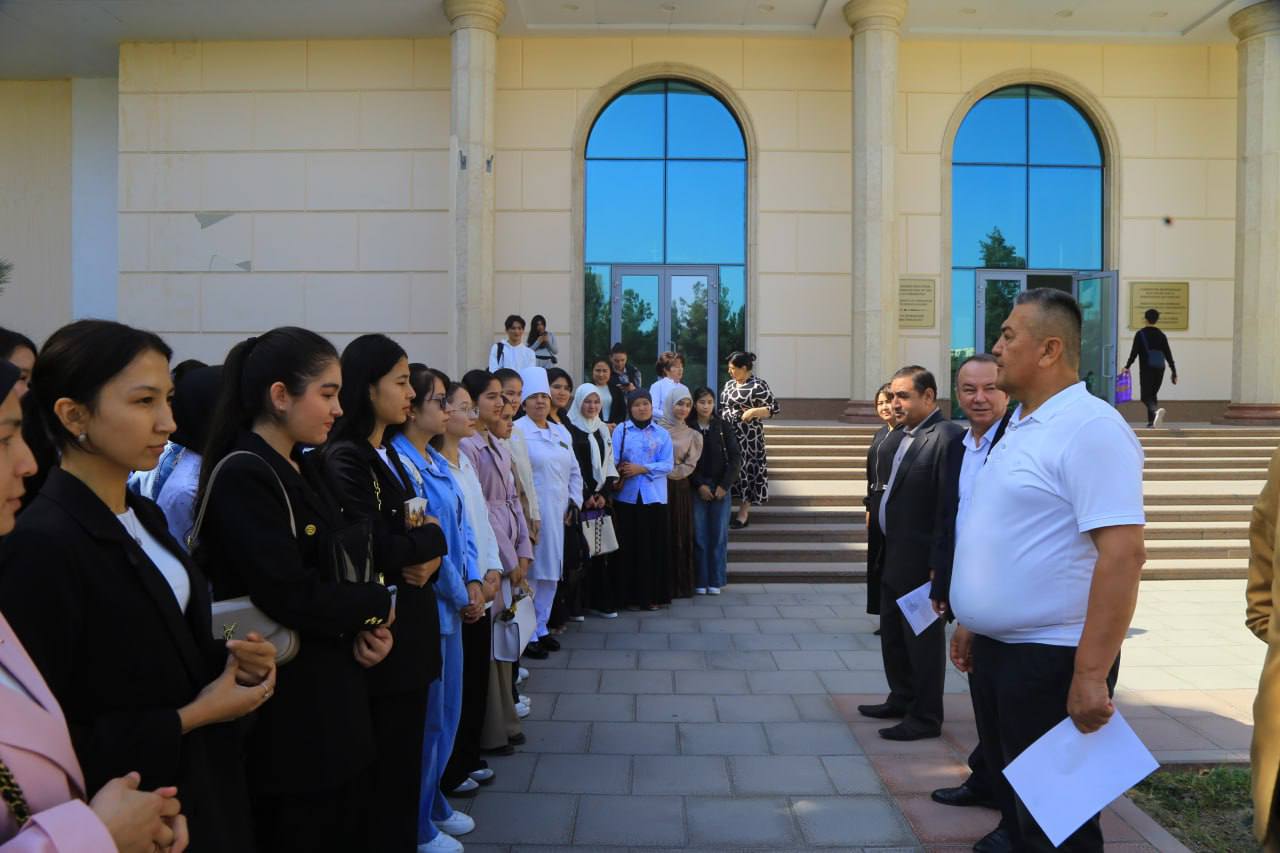
Organized under the broader program titled “Protecting the Population in Emergency Situations”, the event was also part of preventive efforts aimed at reducing risks of accidents, including carbon monoxide poisoning.During the drill, students and staff practiced essential safety protocols including proper evacuation procedures from academic buildings and dormitories, basic first aid training, and strict adherence to safety regulations. These activities were designed to ensure readiness in the face of sudden emergencies and to promote a culture of resilience and preparedness among the university community.
By engaging in such practical exercises and aligning its emergency response strategy with national civil protection policies, Uzbekistan National University demonstrates its role as a proactive partner in the broader effort to address the human consequences of climate-induced and other large-scale disasters.
This initiative highlights the importance of academic institutions not only in education but also in supporting government-led efforts to manage and mitigate the displacement of people due to climate change and other emergencies.