

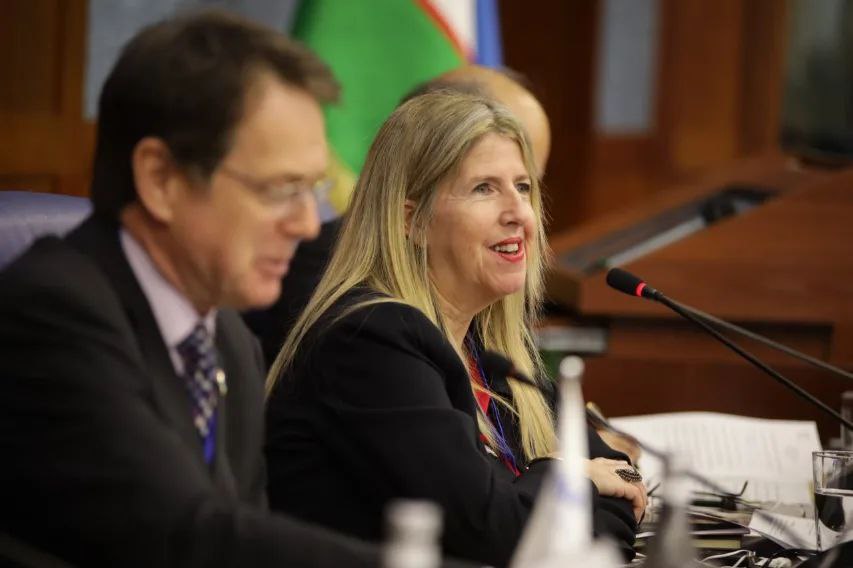
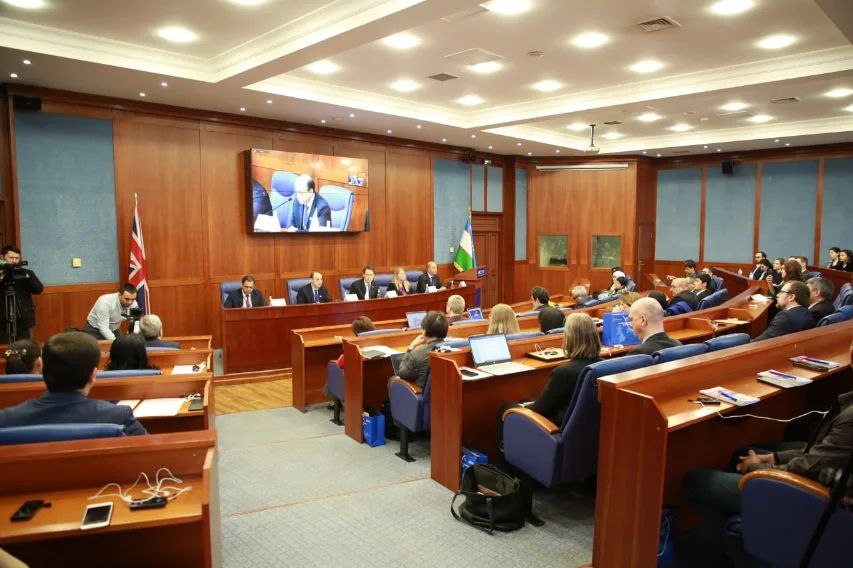
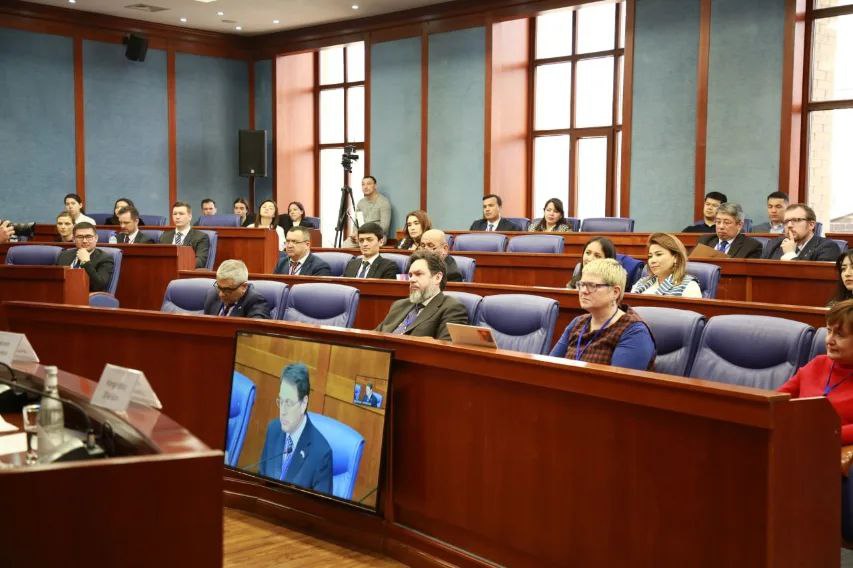
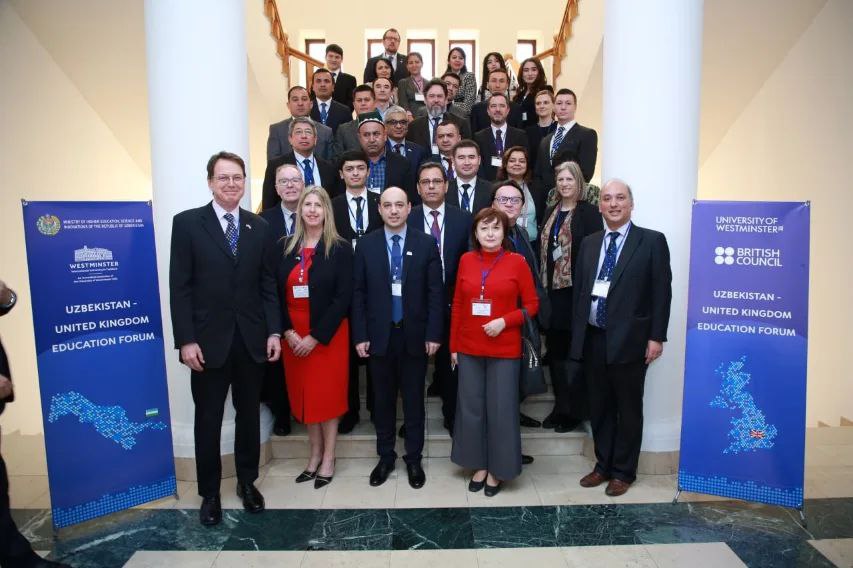

On 15–16 May 2025, the Uzbekistan–UK Education Forum took place in London, providing an important platform to deepen bilateral cooperation in higher education, discuss inclusive university practices, and expand links with industry. The event was jointly organized by the Ministry of Higher Education, Science and Innovation of Uzbekistan, the British Council, the Embassy of Uzbekistan in London, as well as London South Bank University, University of Westminster, and Westminster International University in Tashkent (WIUT). The program included university visits, panel discussions, networking sessions, and a half-day conference.
The forum’s central theme was “Developing Sustainable Partnerships: Inclusive Universities and Collaboration with Industry.” A series of sessions focused on:
governance and quality assurance in higher education,
transnational education (TNE) and its contribution to Uzbekistan’s system,
inclusive practices in universities,
and strategies for building sustainable cooperation between the UK and Uzbekistan.
Special emphasis was placed on how universities can support inclusivity, develop industry linkages, and ensure quality education aligned with global standards.
The event gathered representatives of prestigious UK universities such as the University of Westminster and London South Bank University, along with British Council officials and experts from global organizations like Times Higher Education and AdvanceHE. From Uzbekistan, rectors and administrators of leading universities participated, creating a fertile ground for new partnerships, joint programs, and knowledge exchange.
National University of Uzbekistan was represented by associate professor Abdullo Abduhalilov of the Department of Social Work, Faculty of Social Sciences. He delivered a speech titled “Inclusive Education in Higher Education Institutions: Results of Sociological Research.”
His lecture highlighted key empirical findings regarding inclusive practices in Uzbek universities, underlining:
Infrastructure and resource gaps that hinder full inclusion,
The need for teacher training in inclusive pedagogy,
Persistent social attitudes and stereotypes towards inclusivity among students and families,
The importance of data-driven policymaking, with universities required to build systematic data collection and monitoring mechanisms.
Abduhalilov also shared details of his methodology, which combined wide-scale surveys, focus groups, and qualitative interviews. He stressed that effective inclusivity policies require not just technical or infrastructural improvements but also a cultural and pedagogical transformation supported by reliable data.
“Inclusive education is not merely about access to facilities. It is a matter of culture, pedagogy, and evidence-based governance,” he noted.
The forum provided several concrete takeaways for the Uzbek higher education sector:
A stronger commitment to data collection and monitoring of inclusive practices,
Opportunities to integrate UK best practices into Uzbek teaching and administration,
Prospects for developing joint courses and projects in transnational education and inclusivity,
Practical pathways for aligning inclusion with global higher education standards.
For NUU in particular, associate professor Abduhalilov’s presentation underscored the need for systematic sociological research to guide institutional strategies. His intervention also positioned NUU as an active contributor to global conversations on inclusivity in higher education.