
Reviving the Biodiversity of Aral sea region
our history
Since 2019, the National University of Uzbekistan (NUUz) has embarked on an ambitious and vital project aimed at transforming the dried-up bottom of the Aral Sea into a fertile area for growing nutritious plants. In collaboration with students, teachers, and environmental experts, NUUz has established four research sites across the former sea bed. These sites are at the forefront of innovative ecological restoration efforts, focusing on rehabilitating the devastated landscape with sustainable agricultural practices.
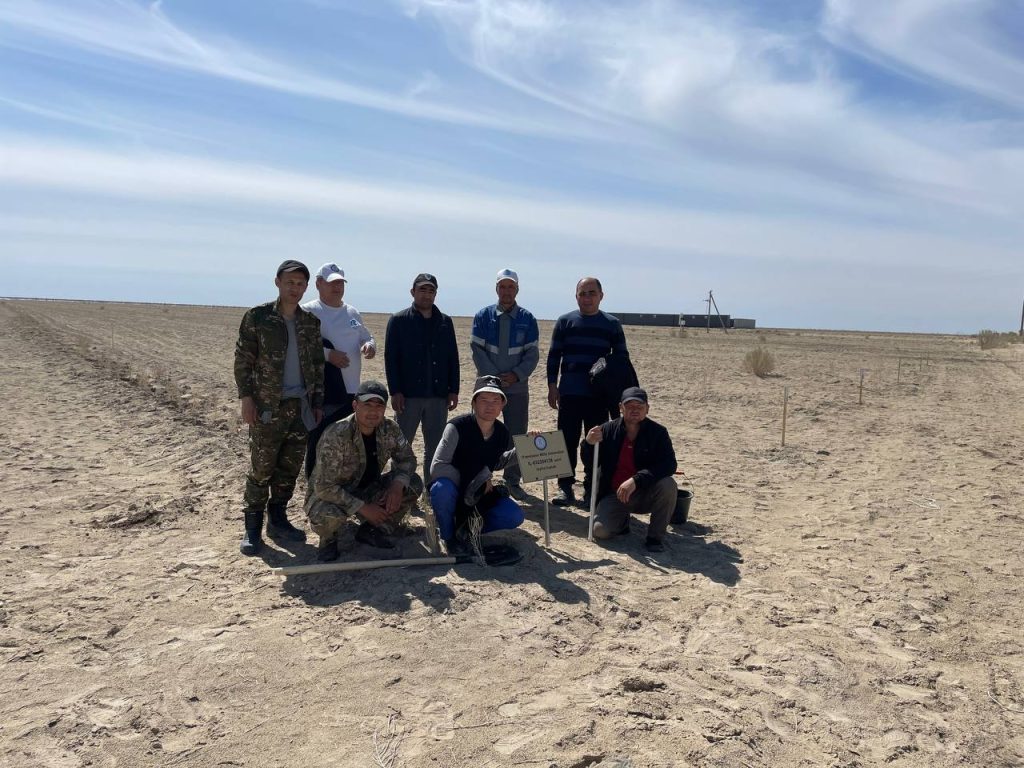
Revitalizing the Aral Sea Region
The desiccation of the Aral Sea has been one of the world’s most significant environmental disasters, resulting in widespread desertification and land degradation in the region. This ecological catastrophe has had severe consequences for the livelihoods of local communities, the environment, and biodiversity. NUUz’s project, however, offers a glimmer of hope by introducing a unique approach to sustainable land use and food production on the dried-up seabed.
The research sites, established in various parts of the former sea’s floor, serve as experimental plots where students and faculty members test various strategies for transforming barren land into productive agricultural fields. The initiative is not only addressing environmental restoration but also focusing on improving food security in the region through the cultivation of nutritious and drought-tolerant plants.
Nutritious Plants
on the Dried-Up Seabed
One of the key components of the project is the planting of nutritious and hardy plant species that can thrive in the challenging conditions of the Aral Sea region. The selected plants are both delicious and nutritious, offering significant dietary benefits for local populations while also playing a role in restoring the ecosystem. These plants are carefully chosen for their ability to survive in saline and arid conditions, making them ideal candidates for cultivation on the dried-up seabed.
In addition to planting, the research teams treat the soil with a number of specialized substances designed to improve soil quality and support plant growth. These treatments include organic fertilizers, microbial solutions, and soil conditioners that help combat the high levels of salinity and restore the physical and chemical properties of the land. The results so far have been promising, with several of the planted species showing resilience and growth in the harsh environment.
A Hopeful Future for the Aral Sea Region
NUUz’s research sites are part of a larger, multi-year project aimed at restoring the ecological balance of the Aral Sea region. The planting of nutritious plants is just one step toward creating a sustainable, green landscape where barren desert once existed. The university’s long-term vision is to develop a scientific model that can be replicated in other arid and saline regions across Central Asia and the world.
Moreover, the project has the potential to address pressing issues such as food security and the socio-economic development of communities living near the Aral Sea. By turning degraded land into productive fields, the project not only contributes to environmental restoration but also enhances the livelihoods of the people who depend on the land for their survival