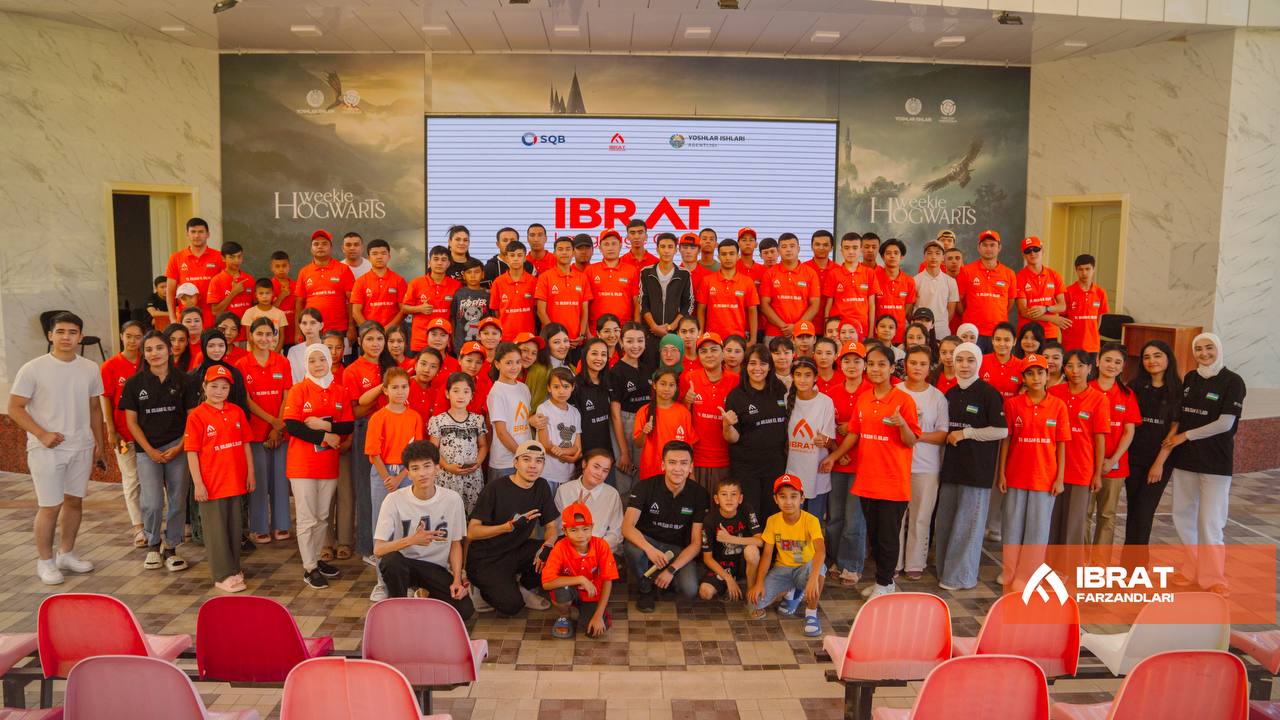
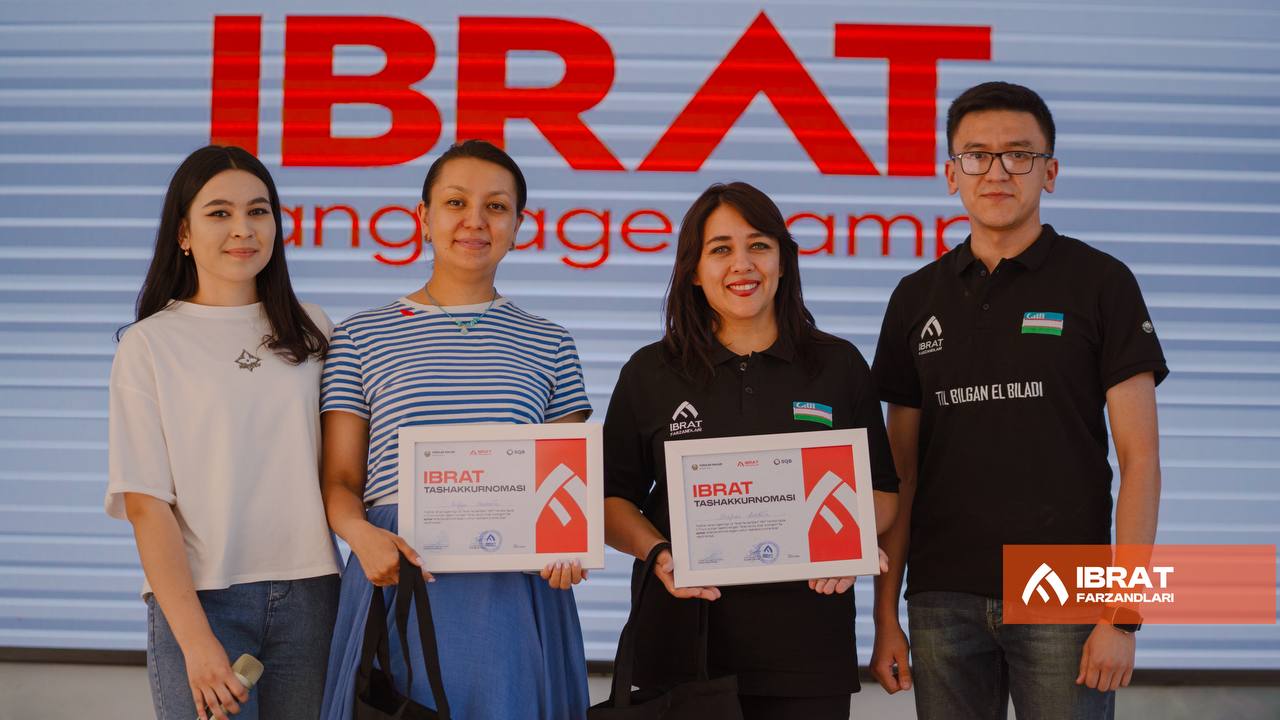
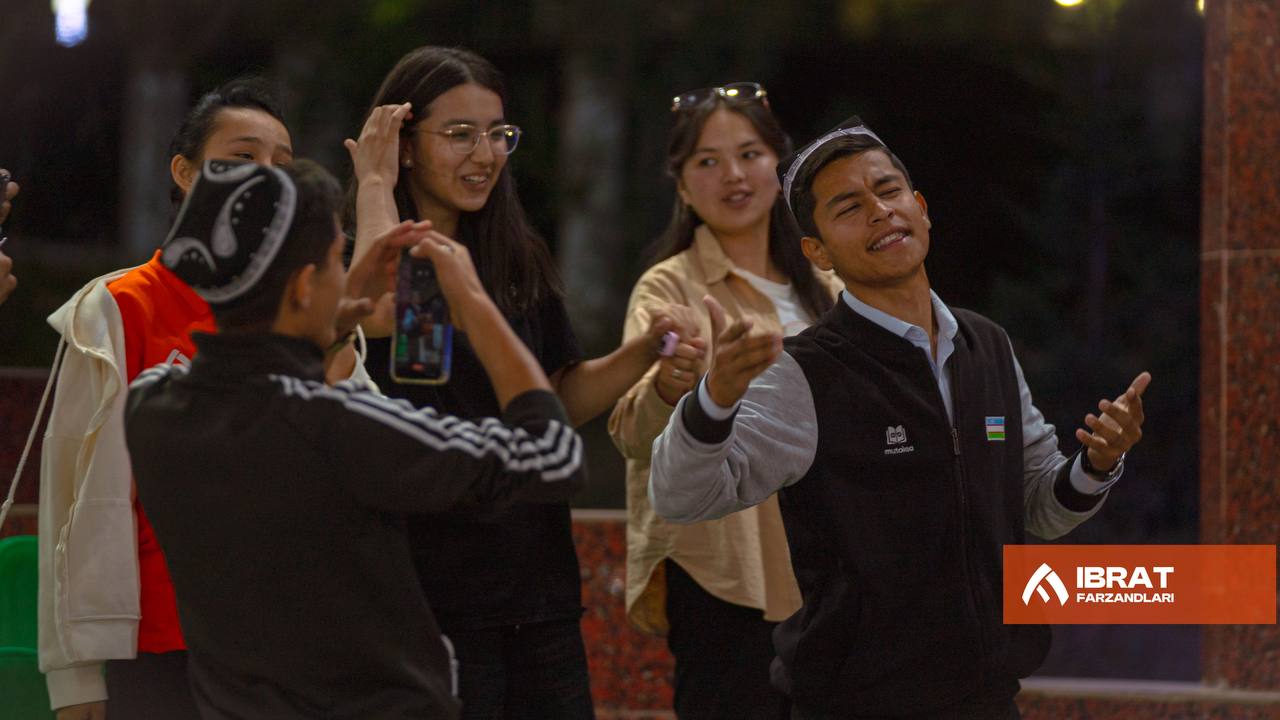
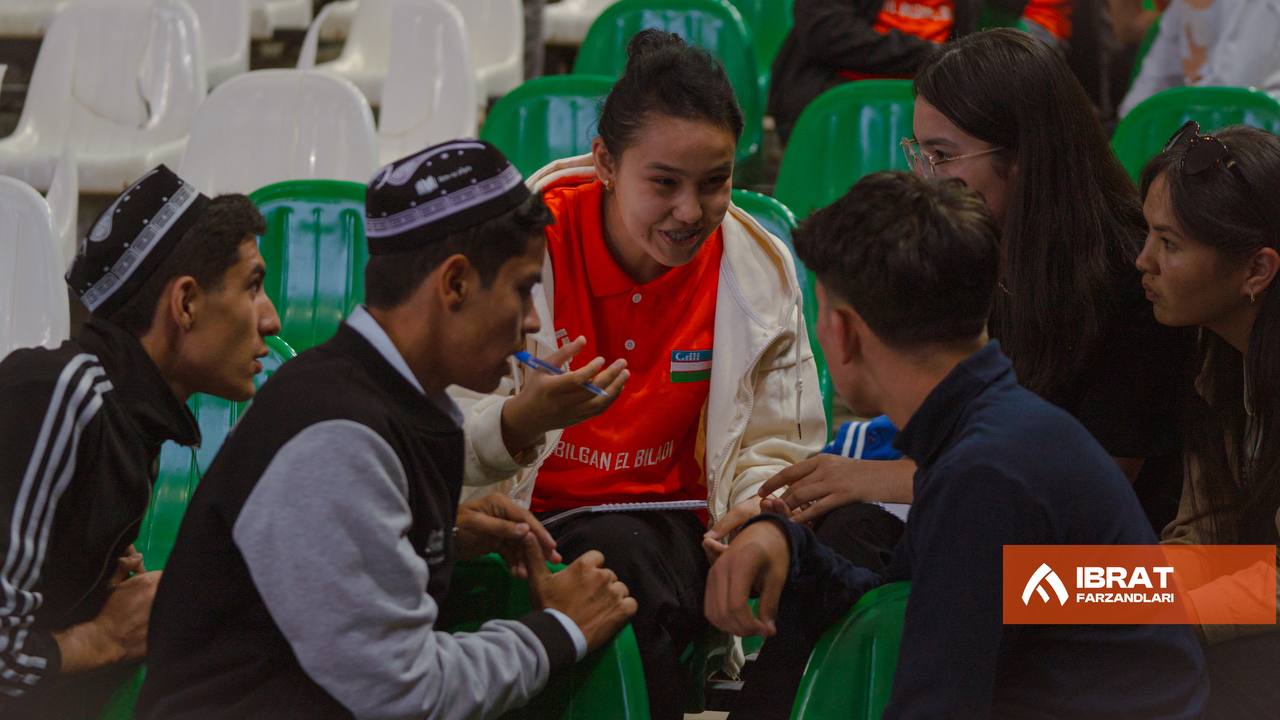
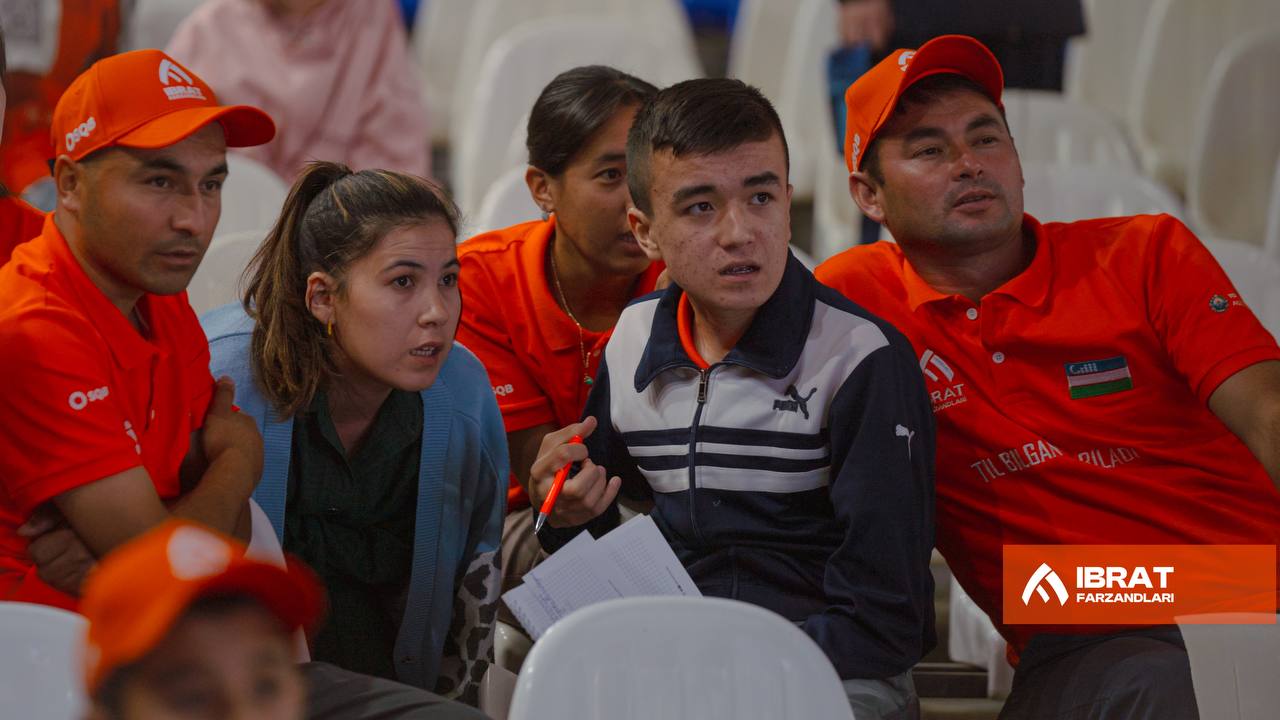
Ibrat Farzandlari is a non-profit organization in Uzbekistan, originally conceived as a project to popularize foreign languages among Uzbek learners. The organization has since grown into a registered NGO, officially recognized by the Ministry of Justice of Uzbekistan. Its mission is to provide systematic and creative language education to both Uzbek language learners and foreigners wishing to learn Uzbek. This is achieved through the development of training manuals, programs, electronic and printed textbooks, and video materials aimed at encouraging young people to acquire knowledge.
The organization has outlined several key tasks to fulfill its mission:
1 task
Support for Teaching World Languages Through Uzbek: Ibrat Farzandlari focuses on promoting the learning of world languages by using Uzbek as a medium of instruction. This approach not only enhances the linguistic capabilities of Uzbek youth but also preserves and promotes the Uzbek language in the global context.
2 task
Increasing Literacy Rates Among Uzbek Youth: The organization is committed to improving the literacy rates of young people in Uzbekistan by ensuring that they have access to high-quality language education. This is seen as a crucial step in preparing them for a globalized world where multilingualism is increasingly valued.
3 task
Development of International Cooperation: Ibrat Farzandlari actively seeks to build international partnerships with educational institutions and language schools around the world. This international cooperation is essential for exchanging knowledge, resources, and best practices in language teaching.
4 task
Organizing Language Marathons: As part of its innovative approach to language learning, the organization organizes language marathons. These events are designed to identify and encourage users who excel in various languages. This initiative not only motivates learners but also fosters a sense of community among language enthusiasts.
Contextualizing Language Learning:
By connecting language lessons to real-world issues related to SDGs, such as poverty, health, and environmental sustainability, students can better understand the relevance of what they are learning. Ibrat Farzandlari could apply this by incorporating SDG-related content into their language programs, making learning more meaningful and impactful.
Promoting Multicultural Understanding:
Language learning is inherently tied to cultural exchange. By fostering an understanding of different cultures and perspectives, language education can contribute to global citizenship, a key aspect of SDG 4 (Quality Education). Ibrat Farzandlari's focus on international cooperation aligns with this goal, as it brings together learners and educators from diverse backgrounds.
Empowering Learners:
Education that integrates SDGs empowers students to take action on issues they care about, fostering a sense of agency and responsibility. Ibrat Farzandlari’s initiatives, such as the language marathon, can inspire young people to engage with global issues and use their language skills to make a difference.
Previous slide
Next slide
Integrating SDGs into Language Education
Gulfiya Rakhimova – Associate Professor of NUU
Gulfiya Rakhimova, has been actively collaborating with the non-profit organization Ibrat Farzandlari, a leading NGO in Uzbekistan dedicated to the promotion of language education.
In her collaboration with Ibrat Farzandlari, Gulfiya Rakhimova brings her academic expertise to the development of these educational resources.
Her work focuses on creating high-quality language materials that are both accessible and engaging for learners.
In summary, Ibrat Farzandlari is playing a vital role in promoting language learning in Uzbekistan, with a strong focus on global cooperation and cultural exchange. By aligning its educational practices with the SDGs, the organization can further enhance its impact, empowering a new generation of multilingual global citizens.