
NUUz Students Explore Sustainable Tourism
and Ecosystem Preservation in Arnasoy
Integrating Field Experience with Uzbekistan’s Green Tourism Vision
In accordance with the Resolution of the President of the Republic of Uzbekistan No. 135 of 2023, “On Additional Measures for the Rapid Development of the Country’s Tourism Potential and the Further Increase of Local and Foreign Tourists,” second-year students of the “Geography” program at the Faculty of Geography and Geoinformation Systems of the National University of Uzbekistan named after Mirzo Ulugbek are conducting a one-week “Comprehensive Geographical and Local Studies” field practice in the Arnasoy district.
This initiative reflects the university’s dedication to supporting national efforts toward the sustainable development of tourism, while ensuring the preservation of natural ecosystems and cultural heritage.
The field practice aims to:
Study tourist sites and natural resources in the Arnasoy district through on-site research.
Gather data and conduct analysis on eco-tourism, ethnographic, and recreational tourism opportunities.
Assess the environmental conditions and ecosystem balance of tourism zones to ensure development does not harm biodiversity or natural habitats.
Through this immersive fieldwork, students gain practical experience in identifying how sustainable tourism can coexist with ecosystem preservation
During the field practice, students explored the Tuzkon Lake and its surrounding coastal areas, which form part of the Aydar-Arnasoy lake system—one of Uzbekistan’s most unique ecological and tourism zones.
The region offers great potential for eco-tourism and scientific research, as it supports diverse species of birds, fish, and vegetation while serving as an important natural regulator for the local climate and water systems. Students documented the lake’s tourism capacity, natural resources, and environmental challenges, compiling materials valuable for future projects aimed at promoting responsible tourism and ecosystem protection.
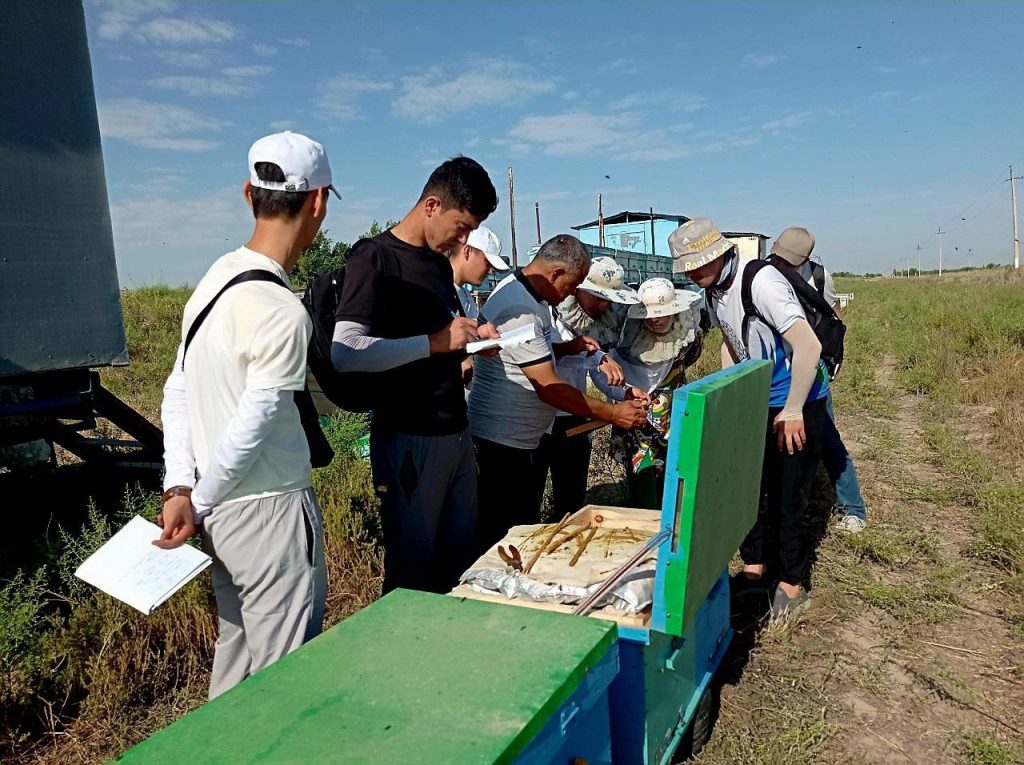
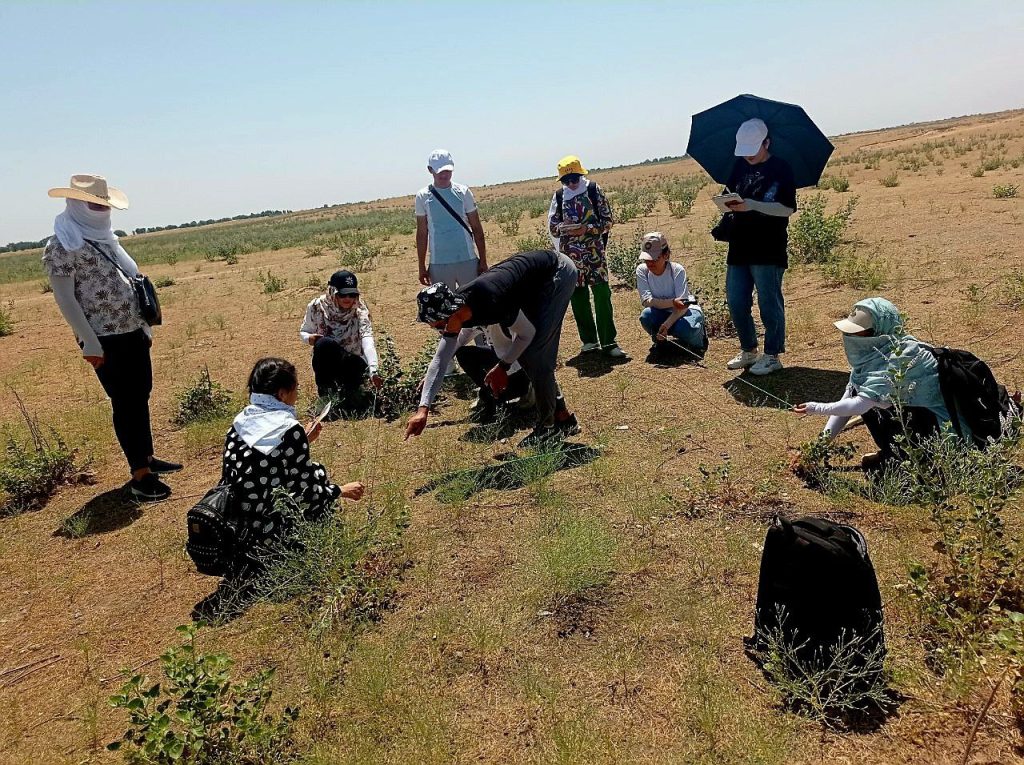
The National University of Uzbekistan places strong emphasis on hands-on environmental education, where students connect theoretical knowledge with field experience.
Through this practice, students not only learn how to analyze geographical and ecological systems, but also understand the importance of maintaining natural balance in tourism development.
Their work focuses on:
Identifying eco-friendly tourism routes and potential protected zones.
Developing proposals for waste management and conservation in tourist sites.
Promoting awareness of biodiversity protection and responsible tourist behavior.
These efforts align with UN Sustainable Development Goals (SDG 15 – Life on Land, SDG 13 – Climate Action, and SDG 8 – Decent Work and Economic Growth), reinforcing the integration of environmental care into the national tourism sector.