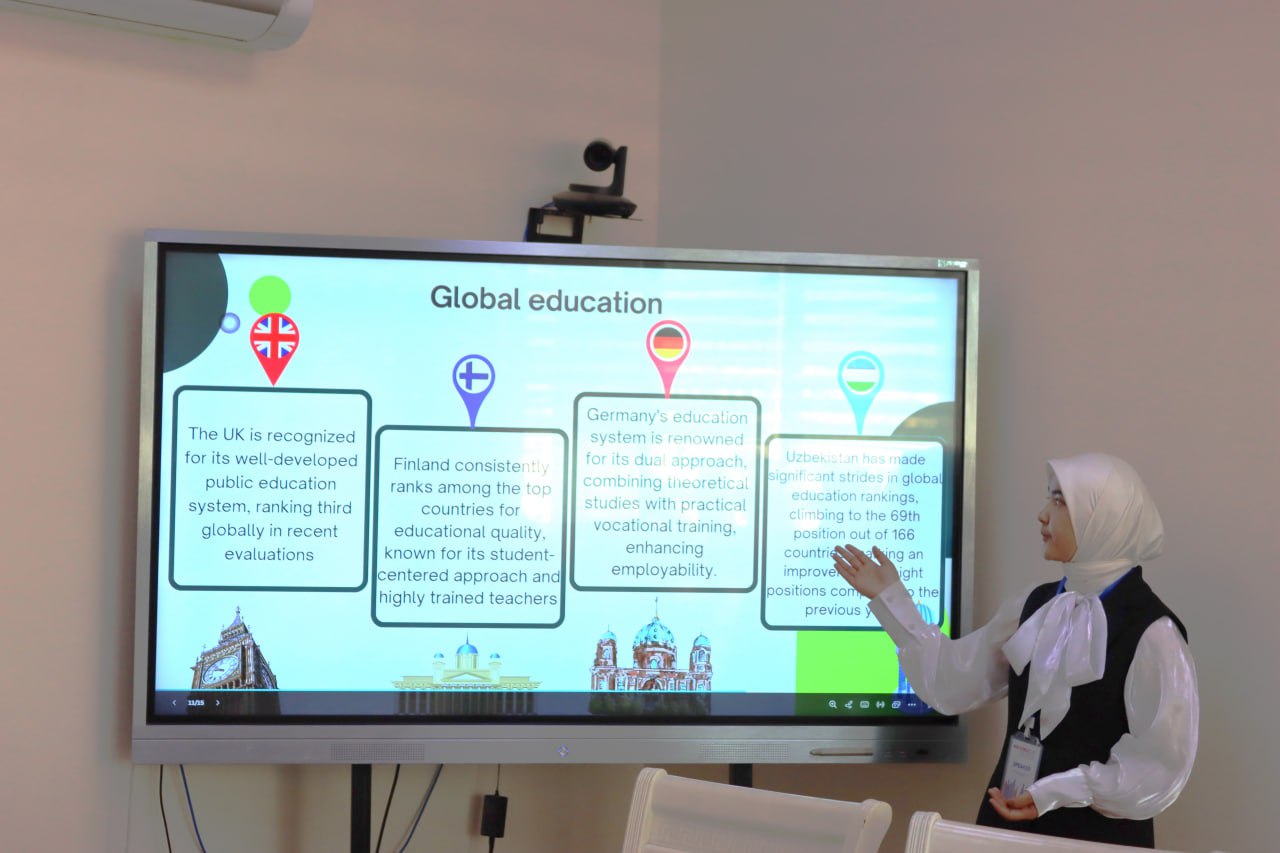
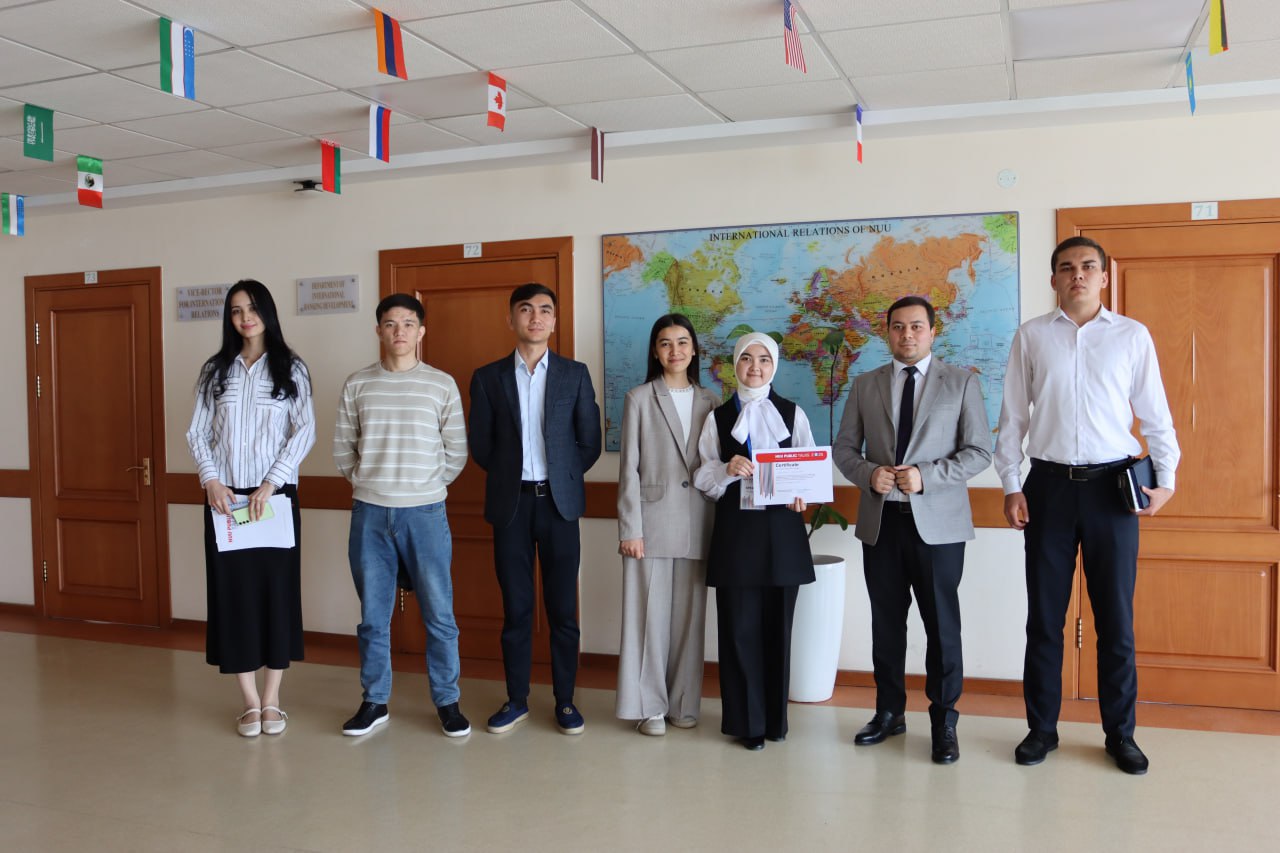
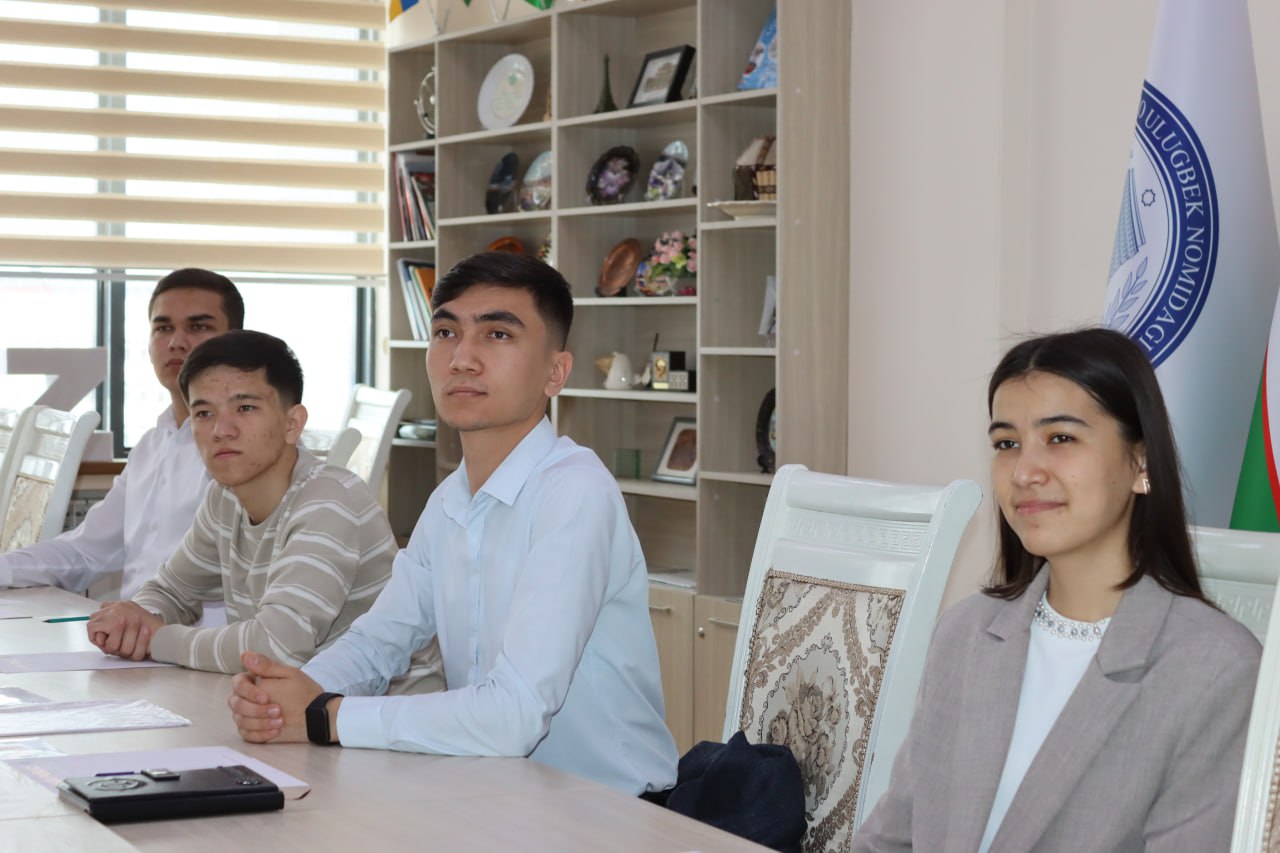

The seventh session of the NUU Public Talks series was dedicated to modern educational approaches and was presented under the theme “Innovative Teaching Methods for New Generations” by Rukhshona Mahmudova, a student from the Faculty of English Philology at the Uzbek State University of World Languages (UzDJTU).
This session focused on effective teaching methods for Alpha and Beta generations — young people who are technologically advanced, quick learners, and interested in interactive methods. It was emphasized that traditional, memorization-based, teacher-centered approaches no longer fully meet the needs of today’s students. Instead, there is a growing need for modern, technology-based methods that encourage critical thinking, communication, and creative exploration.
In recent years, Uzbekistan has been implementing significant reforms in the field of education aimed at improving quality through the introduction of digital tools and approaches based on critical thinking and creativity. For example, scholarship and grant programs of the El-Yurt Umidi Foundation, professional development of professors and young specialists through international cooperation, and government support measures are clear examples of this progress.
Ruhshona Mahmudova
Speaking about the effectiveness of innovative methods in education, she cited examples such as gamification (e.g., Kahoot!, Quizizz), project-based learning, global classrooms for international collaboration, and student-led lessons. These methods help students develop critical thinking, teamwork, language acquisition, and cultural understanding.
The speaker concluded her talk with the following message:
«Innovative education is a necessity for the future. We must provide young people not only with knowledge but also with life skills, a global perspective, and social responsibility. In this regard, every teacher and every student must take an active role.»
Through the NUU Public Talks initiative, young people are actively discussing issues such as sustainability in education, proper use of technology, and delivering quality education for future generations.