
# The only way to discover the limits of the possible is to go beyond them into the impossible
Young Inventors Club
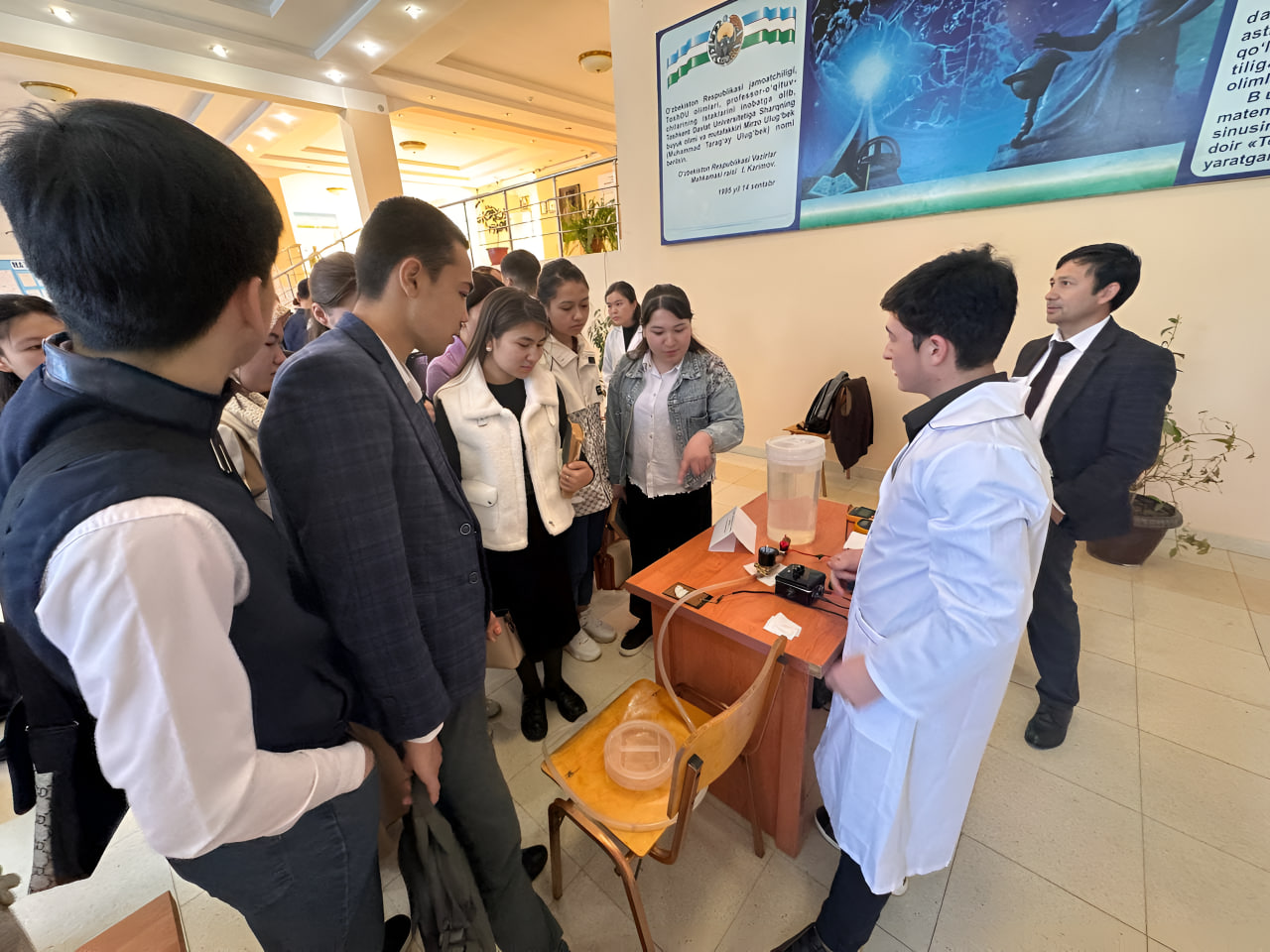
The Young Inventors Club, established at the Faculty of Physics, serves as a creative hub for students and young researchers passionate about innovation, technology, and climate action. The club fosters interdisciplinary collaboration to develop sustainable solutions for environmental challenges.
Overview Overview
The Young Inventors Club at the university seeks to foster creativity and innovation among students, with a strong emphasis on climate action and environmental sustainability. The club provides a platform for students to develop solutions to some of the most pressing environmental challenges, such as climate change, renewable energy, and resource conservation. By encouraging interdisciplinary collaboration, the club brings together students from diverse academic backgrounds to work on inventive and sustainable projects.


The Young Inventors Club aims to empower students to develop innovative solutions that address critical environmental challenges. Students will explore the principles of sustainable innovation, learning how to apply creativity to solve climate-related issues such as energy conservation, water scarcity, and waste management. The club encourages hands-on experience in designing and prototyping environmentally friendly inventions, with a focus on reducing carbon footprints and promoting the responsible use of resources.
Learning Outcomes
Develop a deeper understanding of sustainable innovation and learn how to create practical solutions to address climate change and environmental challenges.
Gain skills in design thinking, prototyping, and testing eco-friendly inventions aimed at reducing carbon footprints and conserving natural resources.
Enhance interdisciplinary problem-solving abilities by collaborating with peers from diverse academic backgrounds on climate-related projects.
Apply renewable energy technologies and sustainable design principles to real-world projects, gaining hands-on experience in creating environmentally responsible solutions.
Understand the impact of climate change on the environment and communities, and develop scalable solutions that promote climate resilience.
Build leadership and communication skills, preparing students to take on roles in environmental entrepreneurship and lead climate action initiatives.
Gain confidence in contributing to environmental sustainability, preparing students to take meaningful actions against climate change locally and globally.