“An international scientific-practical conference on The Main Directions of Socio-Economic Sustainable Development of the New Uzbekistan: Problems and Solutions was organized”

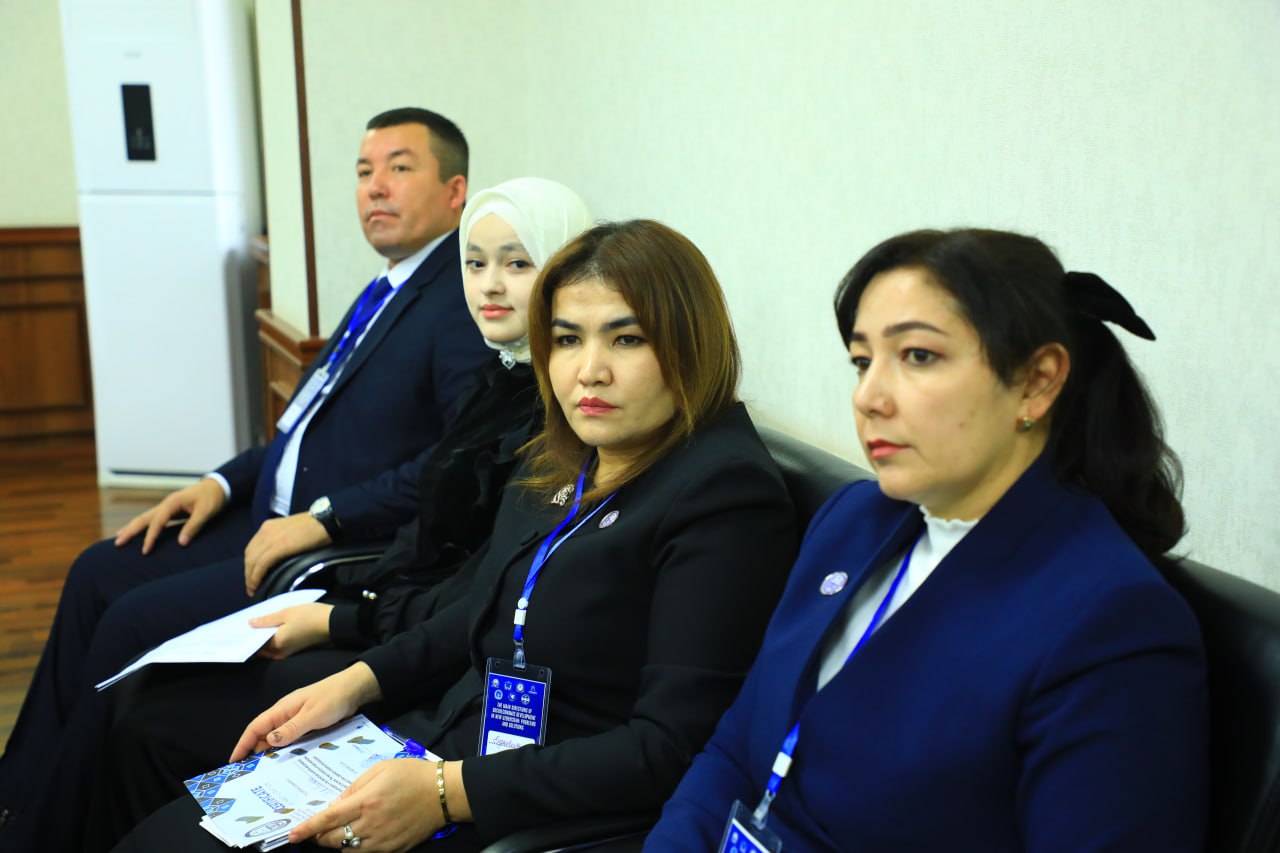
On December 6 of this year, the Jizzakh branch of the National University of Uzbekistan organized an international scientific-practical conference titled “The Main Directions of Socio-Economic Sustainable Development of the New Uzbekistan: Problems and Solutions”, focusing on the intertwined challenges of environmental crises and their socio-economic impacts.
The conference was opened by A. Uralov, Deputy Director for Scientific Work and Innovations at the Jizzakh branch of the National University of Uzbekistan. Senator J. Bobanazarova of the Oliy Majlis of the Republic of Uzbekistan sent her greetings, emphasizing the urgent need for collective efforts to address environmental challenges that threaten economic stability and social well-being.
Presentations by B.O. Tursunov, Vice-Rector for Scientific Work and Innovations at Tashkent University of Humanities, along with Professors Dr. K. Srinivasan and Dr. Dilli Samadhilar from Sambhram University, highlighted the complex relationship between environmental degradation such as climate change, extreme weather, and natural disasters and its profound effects on livelihoods, public health, and economic development.
The participants discussed innovative and sustainable solutions designed to mitigate these impacts through coordinated planning and integrated management. Emphasis was placed on enhancing preparedness for climate-related emergencies, managing disaster risks, and implementing adaptive strategies that protect vulnerable communities while promoting long-term socio-economic resilience.
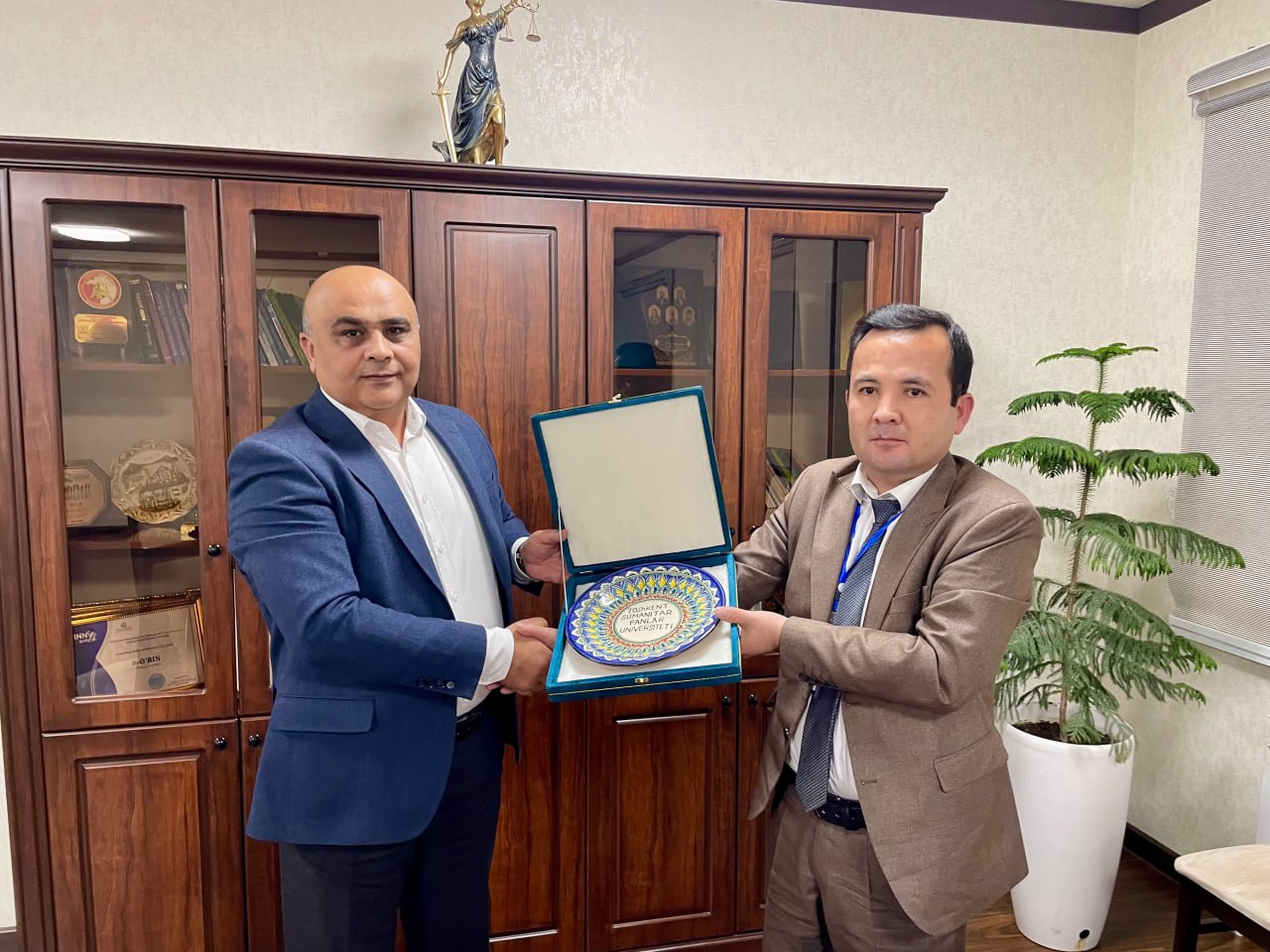
A significant milestone of the conference was the signing of a cooperation memorandum with Tashkent University of Humanities. This agreement sets the framework for joint scientific research and practical projects focused on climate risk reduction, disaster preparedness, and sustainable development, fostering stronger institutional collaboration to safeguard socio-economic progress from environmental threats.
At the conclusion of the event, certificates were awarded to participants in recognition of their strengthened capacity to develop and apply cooperative, sustainable solutions that balance environmental protection with socio-economic development goals. This conference not only equipped young researchers and academic staff with essential knowledge and skills but also contributed to building resilient communities capable of withstanding climate-related challenges through proactive and unified efforts.