
Conference on Climate Change and Adaptation

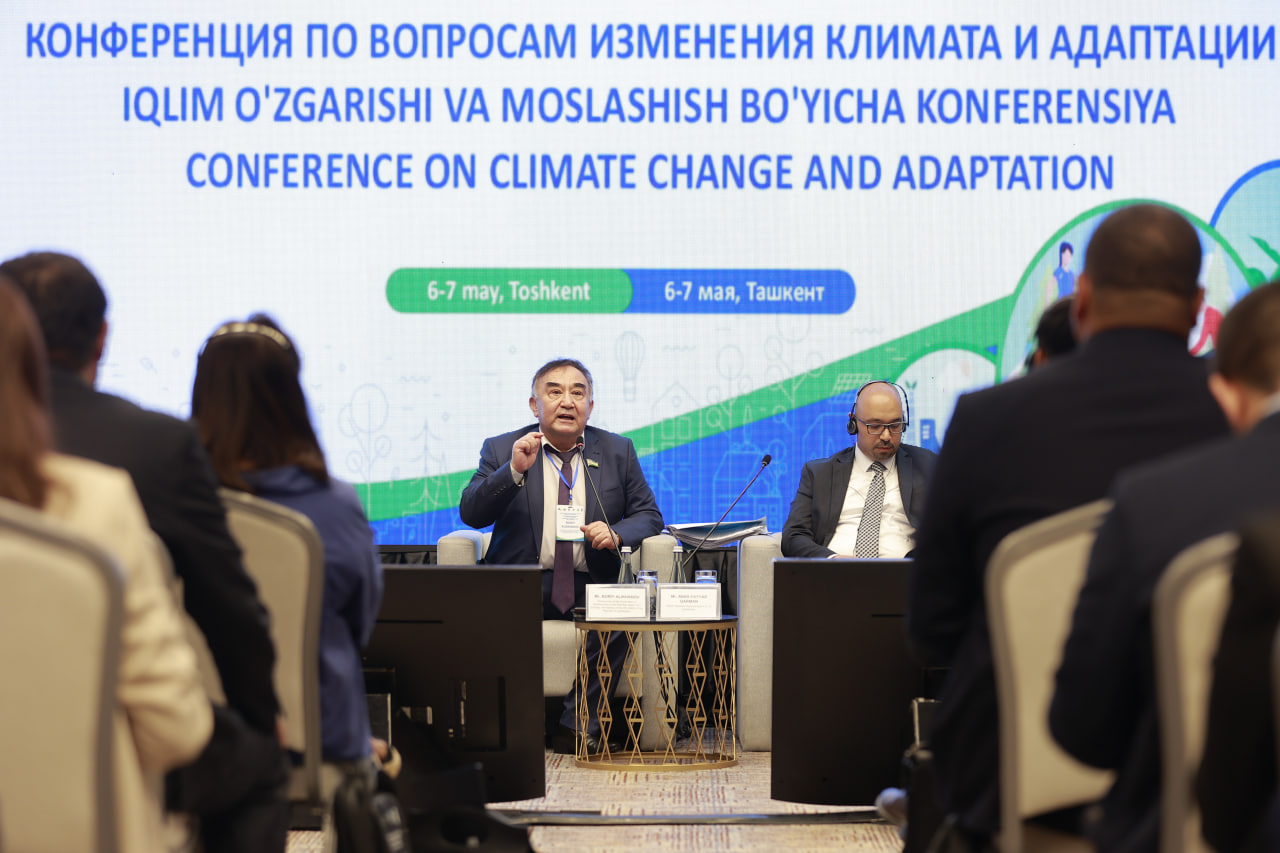
The Senate Committee of the Oliy Majlis on the Development of the Aral Sea Region and Ecology, together with UNDP, the Agency of Hydrometeorological Service (Uzhydromet) of the Ministry of Ecology, Environmental Protection and Climate Change of the Republic of Uzbekistan and the Ecological Movement of Uzbekistan, with the financial support of the Green Climate Fund (GCF), held an international conference to discuss climate change and adaptation issues.
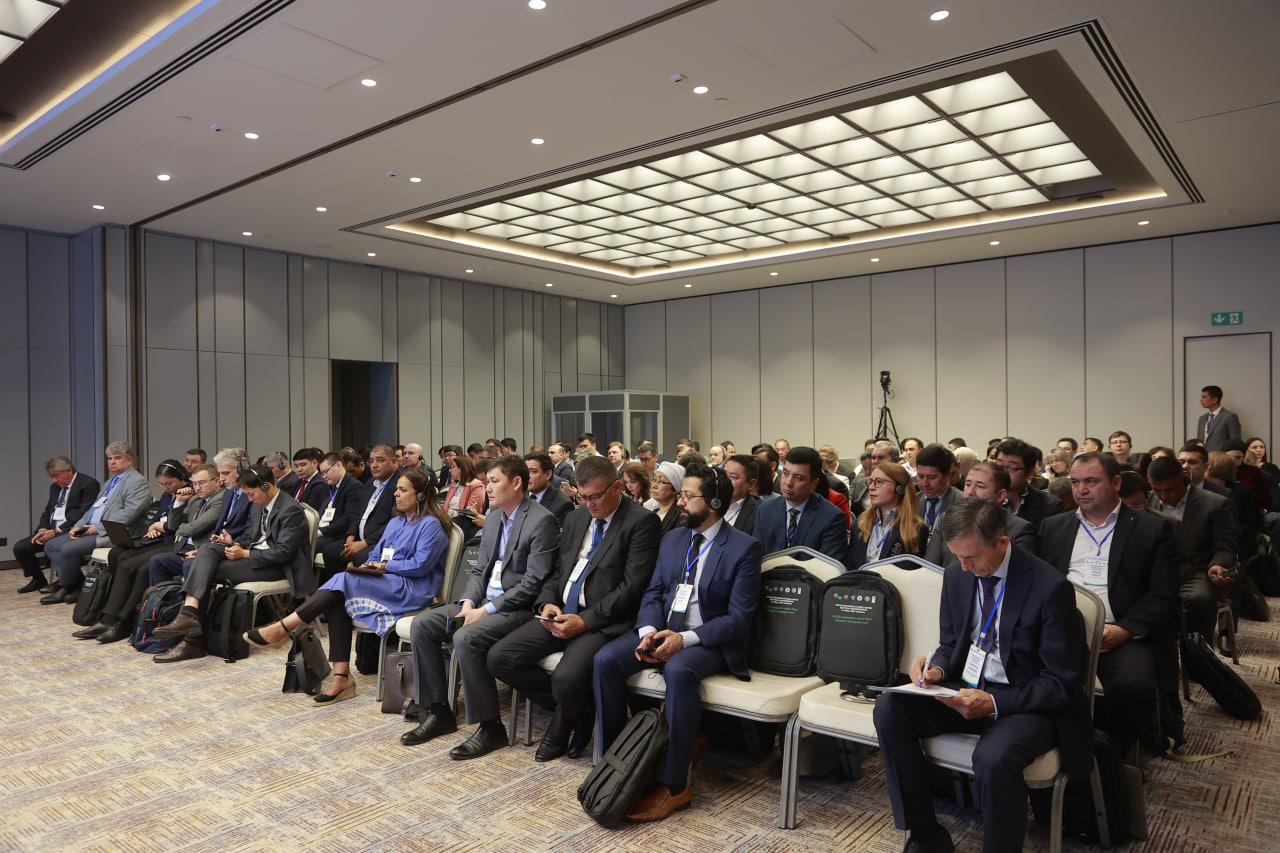
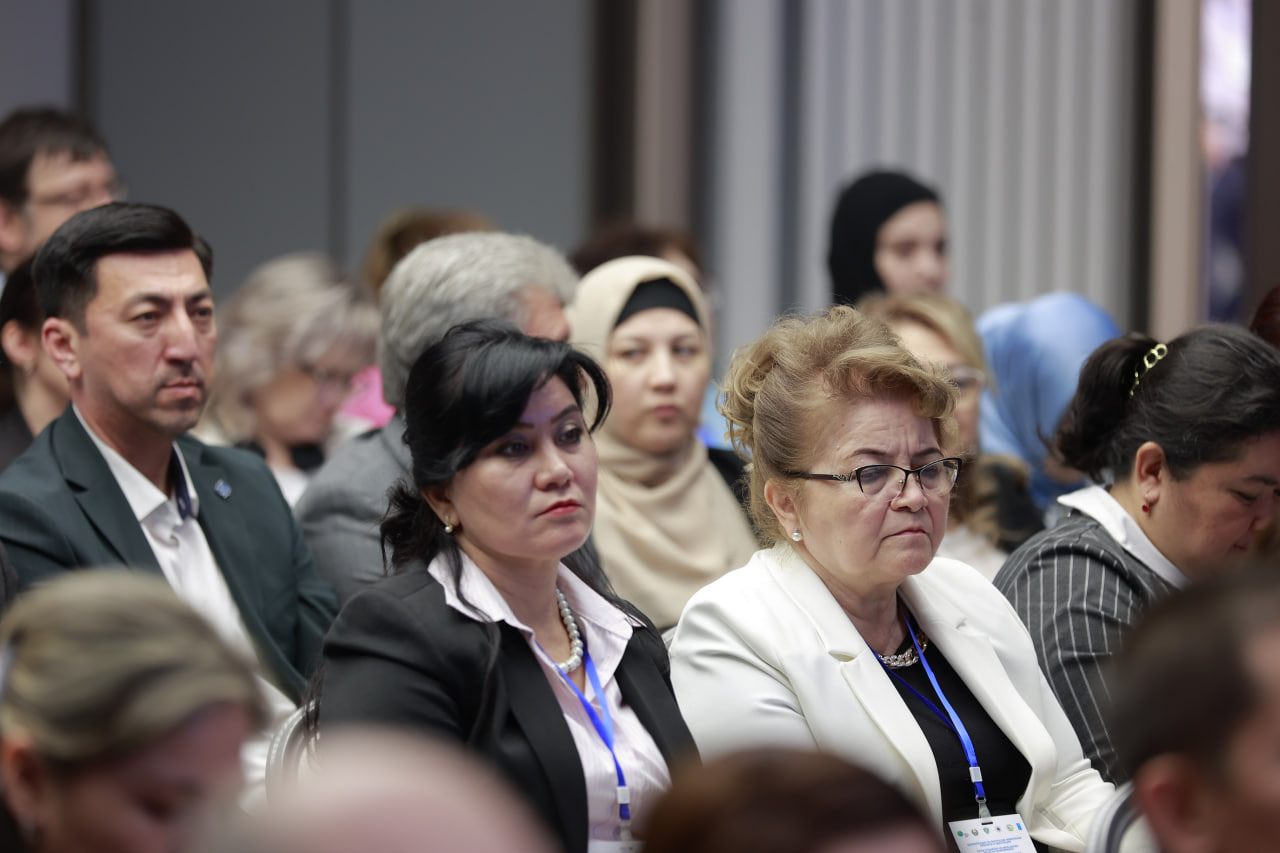
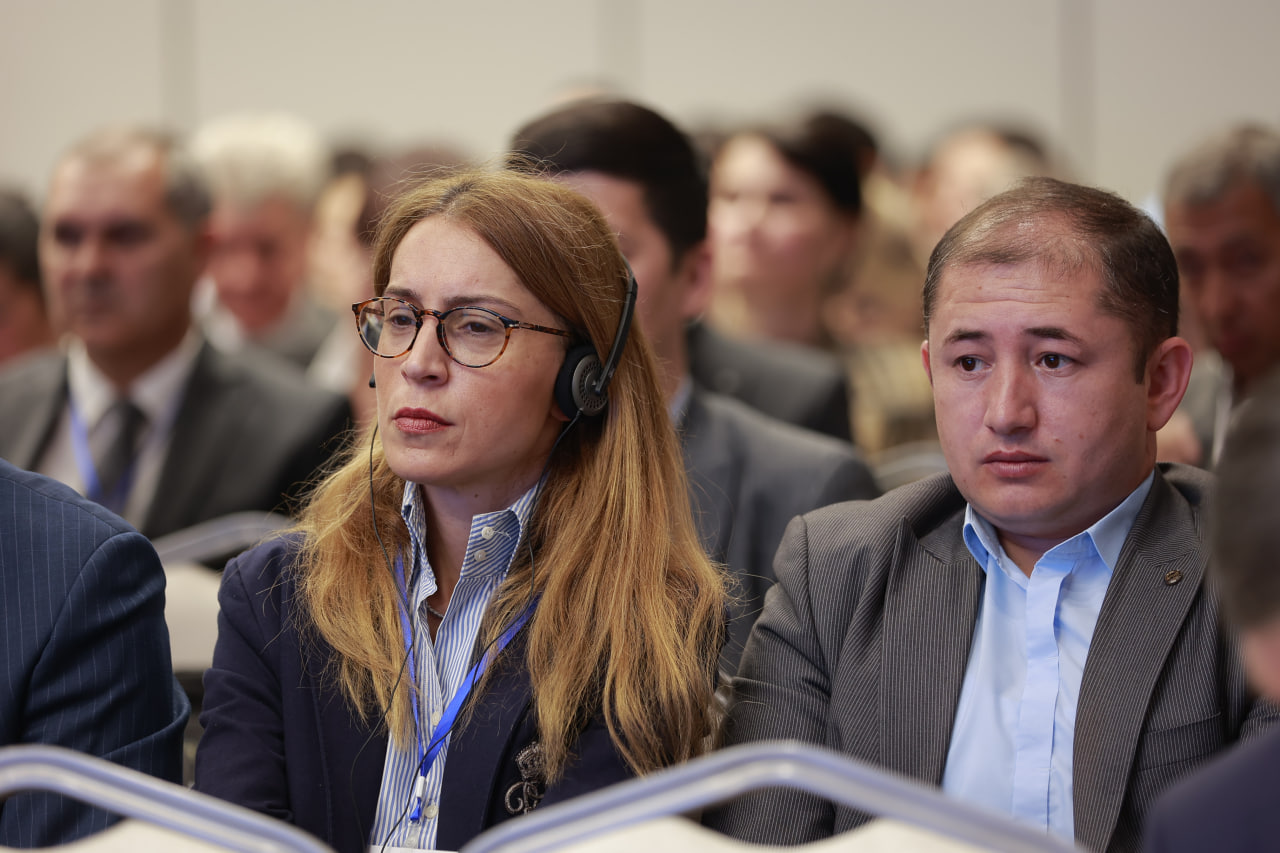
The event was attended by representatives of state and non-governmental organizations, the scientific community of Azerbaijan, the Kyrgyz Republic, Tajikistan, Turkmenistan, international development agencies and financial institutions that operate in the field of adaptation to climate change.
The purpose of the conference is to present approaches and opportunities for prioritizing adaptation measures and developing mechanisms for adaptation to climate change, as well as raising awareness of the Central Asian countries about the lessons learned in the preparation of National Adaptation Plans.
It was noted that the climate is changing and the consequences of its change are already being felt: the weather is becoming more unstable, the air temperature is rising, the hydrological regime of water bodies is changing, adverse weather events are increasingly observed – droughts, mudflows, heat and cold flows, strong winds and precipitation, dust storms.
Professor L. Gafurova, Associate Professor O. Ergashevalar, Department of Biology, Faculty of Biology, National University of Uzbekistan, based on the letters of the Chairman of the Executive Committee of the Central Council of the Environmental Movement of Uzbekistan B. Alikhanov, on May 6-7, the International Conference on Climate Change and Adaptation participated in the conference.
The United Nations Development Program and the Green Climate Fund are cooperating to support the government of Uzbekistan in this regard. L. Gafurova gave a speech at the Plenary meeting with “Climate change and problems of conservation and restoration of soil fertility in Uzbekistan: realities, trends and prospects”.
Today, many developing countries that do not have sufficient social, technological and financial resources to adapt suffer from the consequences of climate change. Millions of people are already facing water and food shortages, as well as increased climate risks that threaten public health.
It was emphasized that the countries of Central Asia are the most exposed and vulnerable to climate change. The air temperature here is rising 1.7 times faster than the global average, which leads to a reduction in the area of glaciers, the volume of which has decreased by almost 32% over the past 50 years. This entails a decrease in river flow and creates risks for food and energy security in the region.
"Climate change requires Central Asian countries to develop long-term strategies, concepts, programmes and action plans for climate change mitigation and adaptation. In the absence of additional resource conservation and adaptation measures, countries may face a number of challenges leading to unsustainable agricultural production and threatening the food security of countries in the region".
Anas Fayyad Qarman, UNDP Resident Representative a.i. in Uzbekistan
The region has long been experiencing a growing shortage of water resources (the level of water supply per capita in Central Asia has halved – from 3,500 m3 to 1,630 m3), an increase in the duration of hot streams, a change in the regime and intensity of precipitation, and as a result, deterioration in the quality of fertile lands, as well as rapidly occurring desertification processes, which irreversibly lead to an increase in the frequency of dust and sand storms in areas that were not previously subject to these phenomena.
It was noted that in these conditions, within the framework of reforms in the field of state and public construction, which are consistently implemented in Uzbekistan, the transition to a “green economy” and the fight against climate change, mitigation of its negative consequences, protection of atmospheric air, and expansion of green spaces have become a priority task.
The Strategy “Uzbekistan – 2030”, aimed at sustainable development, also pays special attention to issues of ecology and environmental protection and landscaping.
In addition, the focus was also on issues of financing adaptation measures. During the thematic sessions, opportunities for private sector involvement and innovative mechanisms for financing adaptation activities were also considered.
Following the conference, recommendations were adopted for developing a National Adaptation Plan and raising public awareness of measures to adapt to climate change.
The conference was organized under the United Nations Development Programme (UNDP), Green Climate Fund (GCF) and Hydrometeorological Service Agency (Uzhydromet) of the Ministry of Ecology, Environmental Protection and Climate Change of the Republic of Uzbekistan Project “Sector driven National Adaptation Plan (NAP) to advance medium- and long-term adaptation planning in Uzbekistan”.
