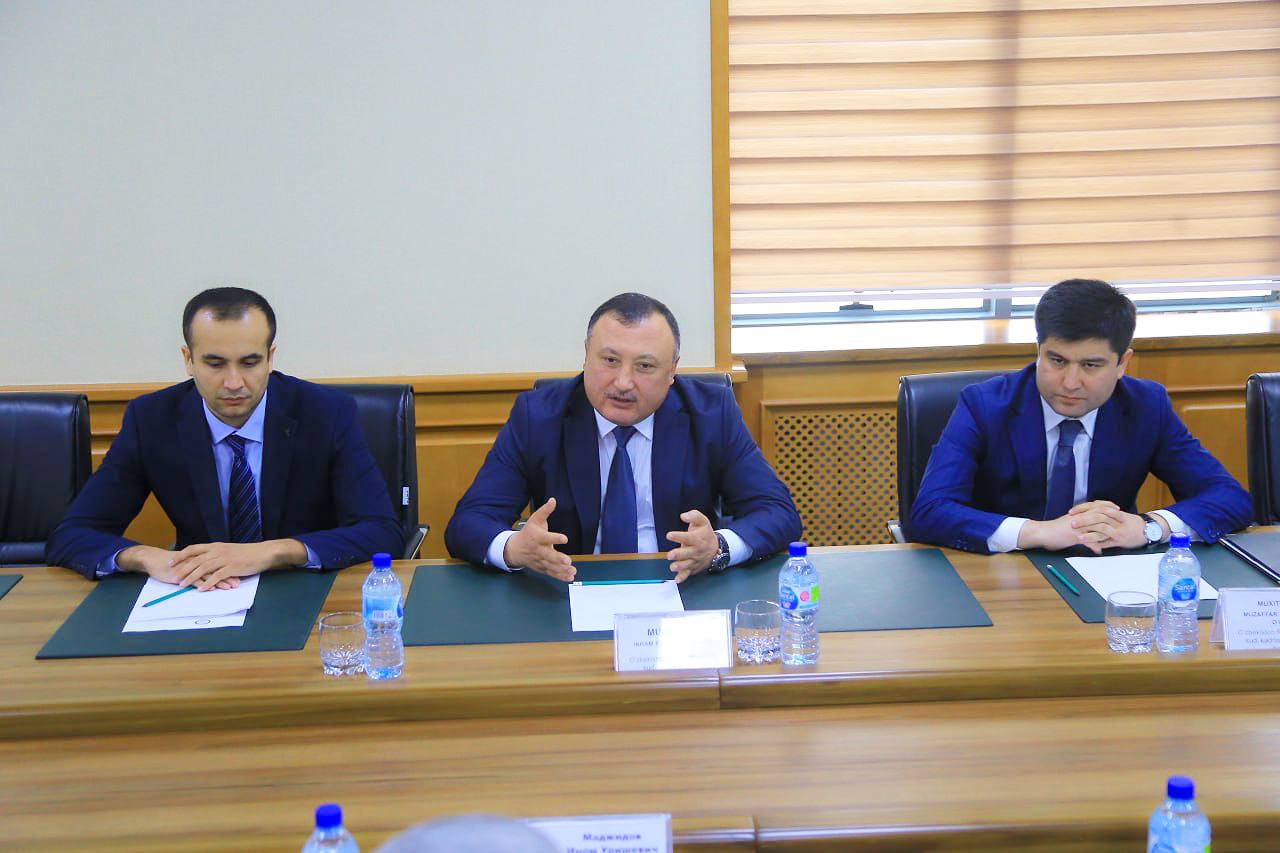


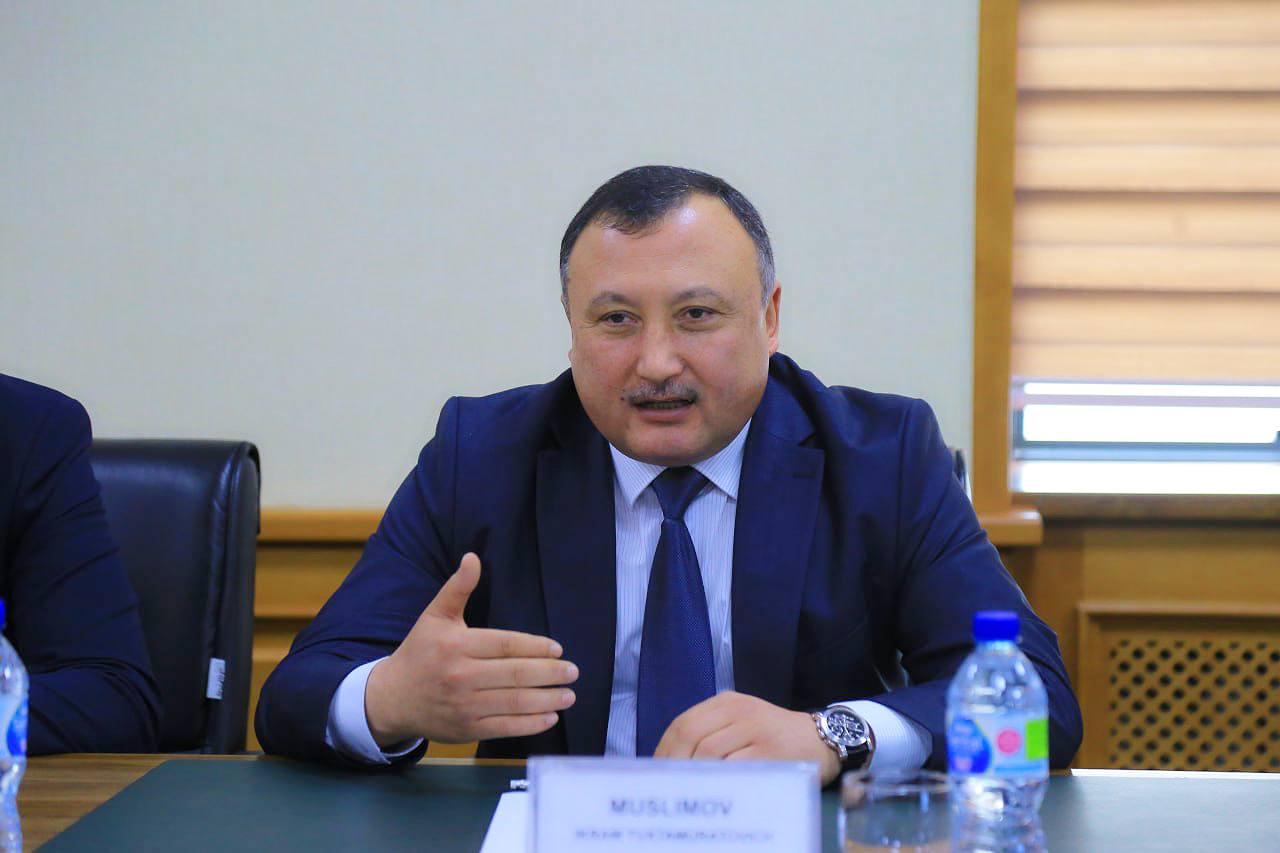

Today, a meeting took place between Inom Madjidov, Rector of the National University of Uzbekistan, and Ikrom Muslimov, First Deputy Chairman of the Supreme Court of the Republic of Uzbekistan.
During the dialogue, the parties discussed supporting the ongoing reforms in the country’s education and judicial-legal system, as well as elevating effective cooperation between higher education institutions and judicial bodies to a new level. At the same time, they emphasized the importance of aligning legal reforms with the principles of sustainable development and the goals of combating climate change.
During the discussions, alongside issues such as improving the quality of the training process, collaborating in the preparation of highly qualified specialists in the field of law, and conducting joint scientific research on pressing topics of judicial practice, initiatives were also put forward to develop legal mechanisms supporting environmental legislation, climate justice, environmental protection, and green policies.
It was also agreed that, in the future, internship and practical training programs will be established for university students at the Supreme Court and its affiliated institutions, creating opportunities for them to broaden their knowledge and experience in legal sustainability, environmental security, and climate law.
At the conclusion of the meeting, a memorandum of cooperation was signed between the National University of Uzbekistan and the Supreme Court of the Republic of Uzbekistan. The memorandum was highlighted as a means to strengthen collaboration between the two institutions on an institutional basis, enhance the integration of education and practice, and promote legal justice in addressing climate change.
In addition, the parties agreed to develop and sign a special roadmap. This roadmap will serve as an important document for the systematic implementation of future joint initiatives, particularly in carrying out concrete projects aimed at ensuring climate security, strengthening environmental legislation, and promoting sustainable development.
This cooperation will not only open up new opportunities for university students but will also contribute to expanding the ranks of specialists in the country’s judicial and legal system who possess modern knowledge and skills and demonstrate responsibility in environmental and climate-related issues.