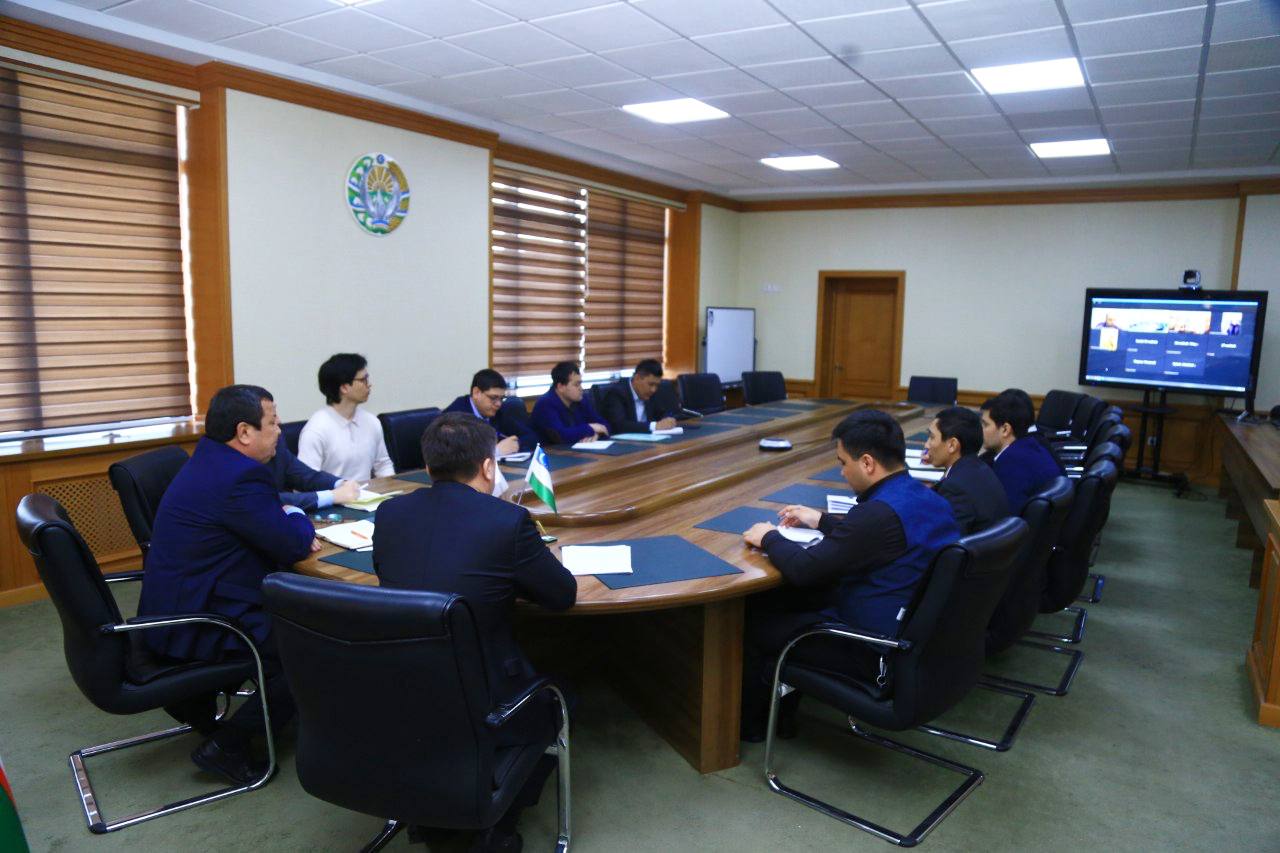
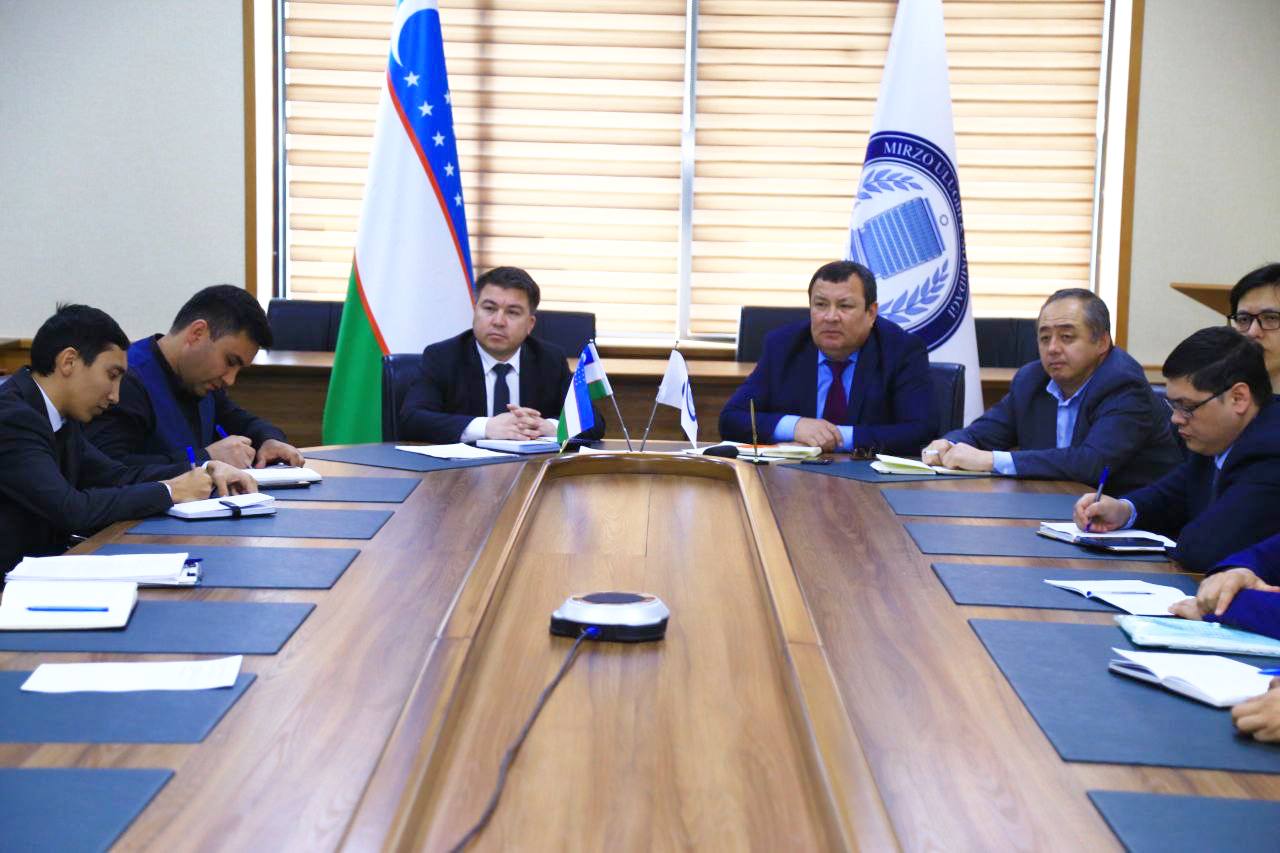
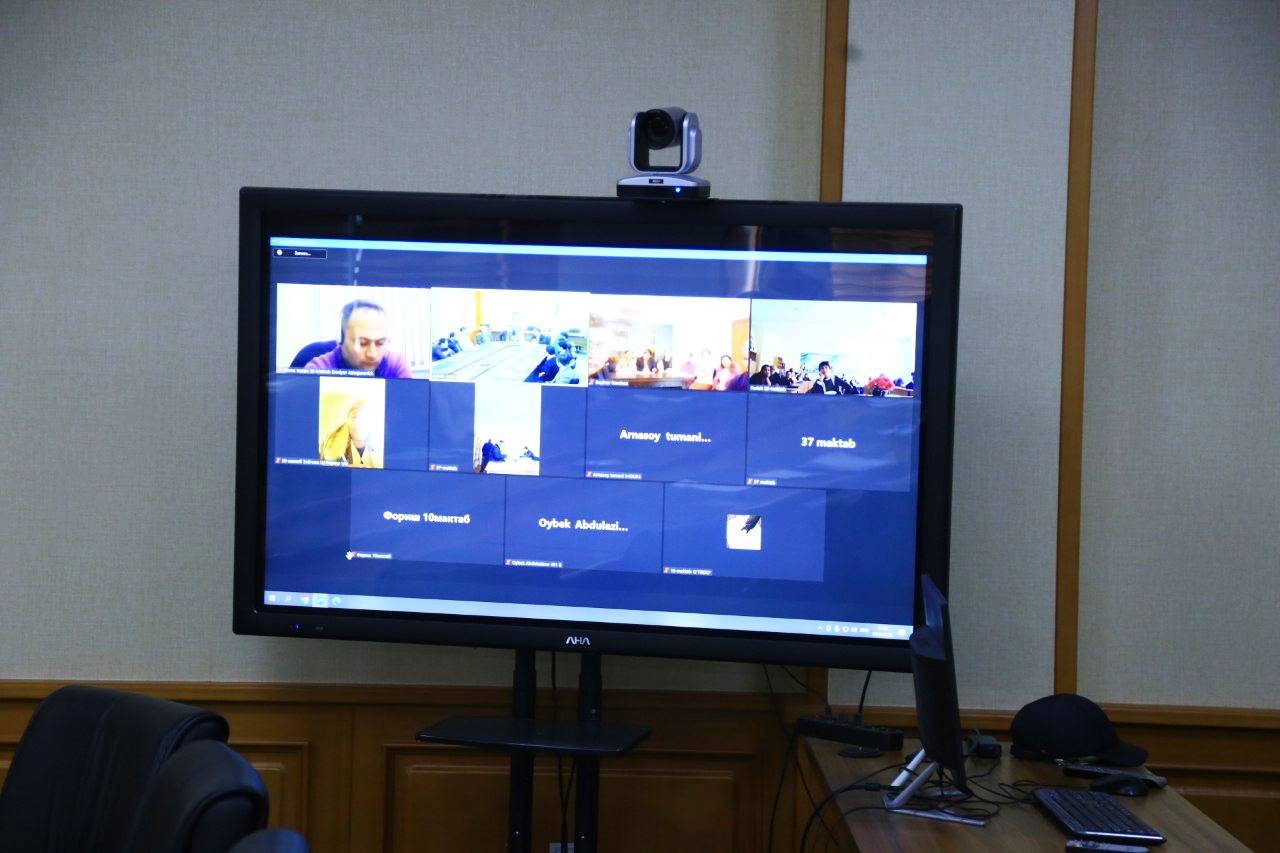
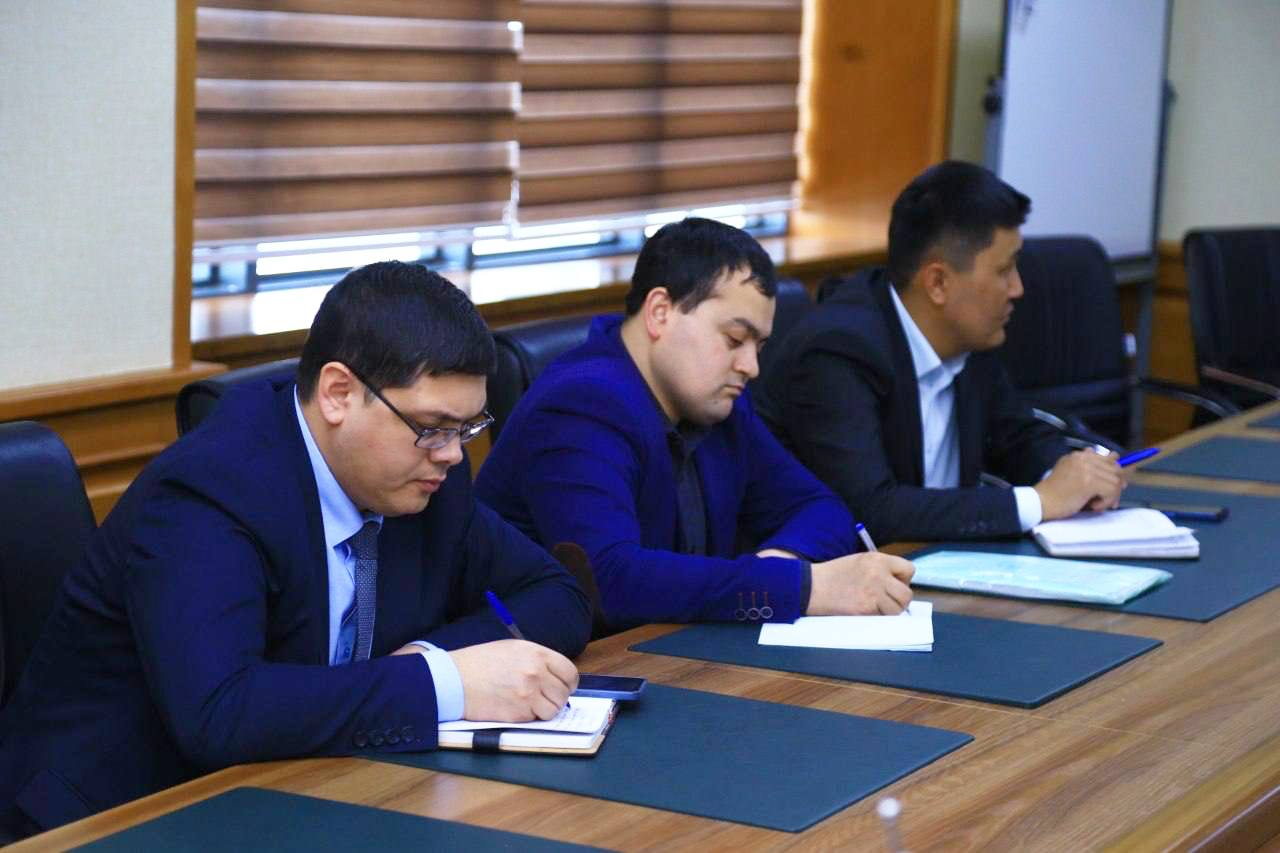

On March 5, 2024, the National University of Uzbekistan organized an online meeting aimed at promoting tourism, enhancing environmental sustainability, and strengthening climate change education. The event was held in collaboration with schools affiliated with the university from Arnasoy, Forish, and Zomin districts of Jizzakh Region, as well as Khavast District of Syrdarya Region.
The event brought together the university’s sectoral vice-rectors, faculty professors and lecturers, officials from the regional departments of the Ministry of Preschool and School Education, as well as teachers and students from School No. 8 in Arnasoy District, School No. 59 in Forish District, School No. 60 in Zomin District, and Specialized School No. 30 in Khavast District.
During the meeting, university professors and lecturers delivered presentations to participants on the Sustainable Development Goals (SDGs), with a particular focus on climate change, its negative consequences and potential risks, as well as mitigation and adaptation measures at both global and local levels.
To help students better understand climate-related challenges and actively seek solutions, the initiative also includes the formation of specialized subject-based study groups. These groups will engage in focused learning across disciplines such as biology, geography, physics, chemistry, computer science, Uzbek language, and Russian language. Additional training sessions, practical seminars, and interactive discussions will also be organized to deepen their knowledge.
As part of the agreement reached during the event, qualified university professors and specialists will visit the designated schools in remote areas according to an approved schedule, delivering integrated educational content on climate change directly to students.
Through this initiative, the National University of Uzbekistan is not only contributing to the academic growth of the younger generation, but also taking an important step toward building a more informed and climate-resilient society.