
Development of international cooperation in the field of social work at the National University of Uzbekistan within the framework of the SOLID project
The content, goals and objectives of the SOLID project implemented at the National University of Uzbekistan, its role in the development of international cooperation and its contribution to the improvement of the field of social work are analyzed. The importance of international seminars, scientific and practical meetings and international exchange of experience held within the framework of the project is also highlighted. The significance of the SOLID project in the field of prevention of psychoactive substance use, work with people living with HIV, and social support for people in closed institutions is substantiated.

In today’s era of globalization, international cooperation is gaining importance in solving social problems. In particular, problems such as the use of psychoactive substances, drug addiction, and HIV/AIDS pose a serious threat to public health and social stability. The field of social work plays an important role in effectively solving these problems.
In this regard, the SOLID project, which is being implemented between the National University of Uzbekistan and the Technical University of Nuremberg in Germany, is of great importance in developing the field of social work, improving the quality of specialist training, and introducing international experience.
The establishment of the SOLID project and its role in international cooperation
The SOLID project has been implemented at the Department of Social Work of the Faculty of Social Sciences of the National University of Uzbekistan since 2025. This project is coordinated by the Technical University of Nuremberg in Germany and funded by the German Academic Exchange Service (DAAD) and the German Federal Ministry for Economic Cooperation and Development (BMZ).
This project is aimed at developing the field of social work in the countries of Central Asia and China in a scientific and professional direction, introducing international experience, and improving the quality of social services.
From October 25 to November 2 of this year, representatives of the Faculty of Social Sciences of the National University of Uzbekistan participated in the Kick-Off meeting of the SOLID project held at the Technical University of Nuremberg in Germany. Within the framework of this meeting, an official cooperation agreement was signed between the National University of Uzbekistan and the SOLID project. In addition, panel discussions on the topic “Social work and drug treatment in international comparison” were held and international experience was exchanged.
This serves to increase the international scientific reputation of the National University of Uzbekistan.
The establishment of the SOLID project and its role in international cooperation
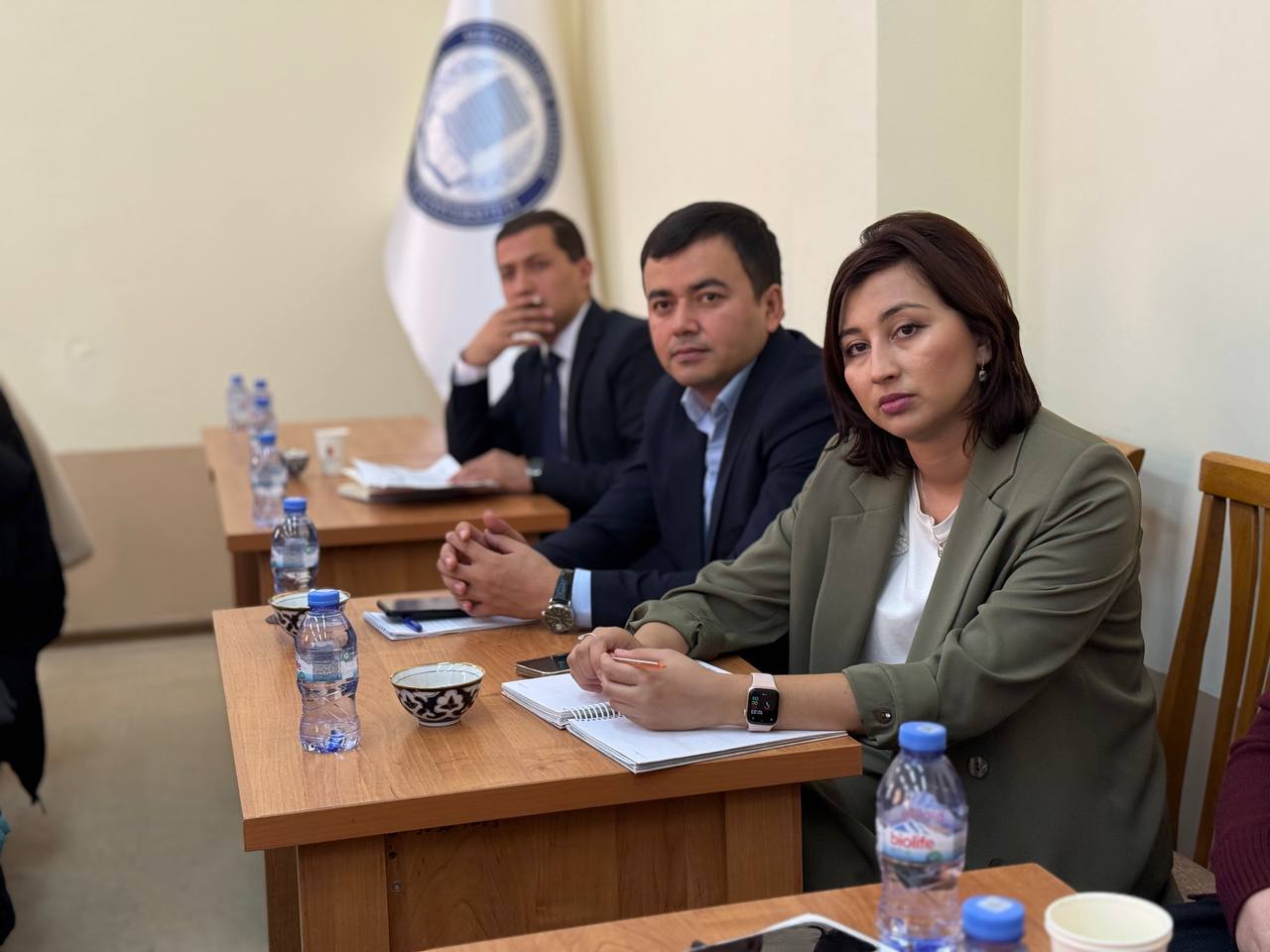
Within the framework of the SOLID project, an international scientific and practical seminar was organized on November 20-21 at the Faculty of Social Sciences of the National University of Uzbekistan under the slogan “From Practitioner to Educators”.
This seminar was attended by specialists from Germany, professors and teachers from higher educational institutions in Central Asia, and teachers of the Department of Social Work of the National University of Uzbekistan.
The main goals of the seminar:
strengthening the integration between education and practice;
developing modern teaching methodologies;
creating new training manuals on the prevention of psychoactive substance use;
developing online educational resources;
exchanging international experience.
Such seminars serve to improve the quality of training specialists in the field of social work.


The main goal and objectives of the SOLID project
The main goal of the SOLID project is to develop a system for preventing the use of psychoactive substances by strengthening cooperation with social work and non-governmental non-profit organizations.
The main objectives of the project are:
to improve the skills of social work professionals;
to develop scientific research;
to strengthen the prevention of psychoactive substance use;
to develop international cooperation;
to improve the quality of social services.
Main directions of the SOLID project
Within the framework of the SOLID project, special attention is paid to three main areas of social work.
1. Social work with people who use drugs and psychoactive substances
In this area, psychological, social and counseling services are provided to people who use psychoactive substances. Social work specialists help them reintegrate into society and help them form a healthy lifestyle.
2. Social work with people living with HIV/AIDS
Within the framework of the SOLID project, psychological and social support for people living with HIV plays an important role. This serves to ensure their social adaptation, reduce stigma and discrimination.
3. Social work with people in closed institutions
Working with people in closed institutions is also one of the important areas within the framework of the project. In this area, measures are taken to ensure the social adaptation of people, reintegrate them into society and prevent re-offending.


The importance of the SOLID project in sustainable development
The SOLID project is fully consistent with the United Nations Sustainable Development Goals. In particular:
ensure good health and well-being;
promote quality education;
ensure gender equality;
reduce social inequality;
strengthen peace and justice.
This project serves to ensure social stability in society.
The SOLID project plays an important role in the development of the field of social work at the National University of Uzbekistan. Through this project, international cooperation is being strengthened, the skills of specialists are being improved, and a modern system of social services is being formed.
The SOLID project plays an important role in the prevention of psychoactive substance use, support for people living with HIV, and the social integration of people in need of social protection.
As a result, a healthy social environment is formed in society, the field of social work is developed, and international cooperation is further strengthened.