mONITORING
EXPEDITIONS
TO ARALSEA
AND
TASHKENT REGION
MONITORING EXPEDITIONS
TO ARAL SEA AND TASHKENT REGION
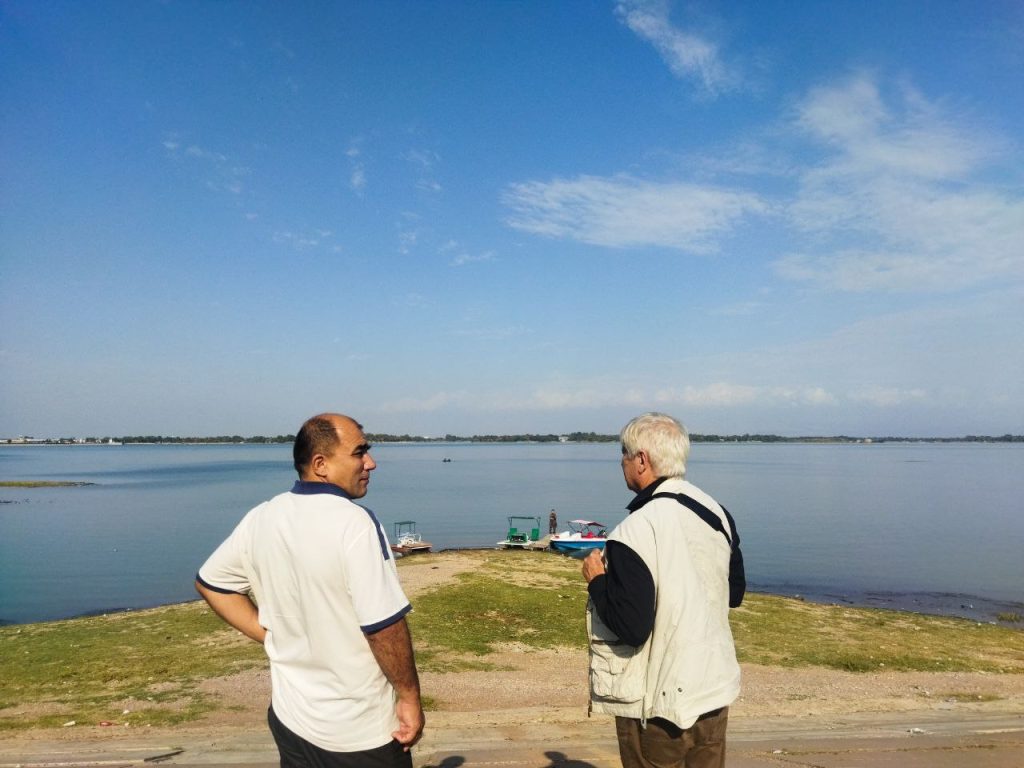
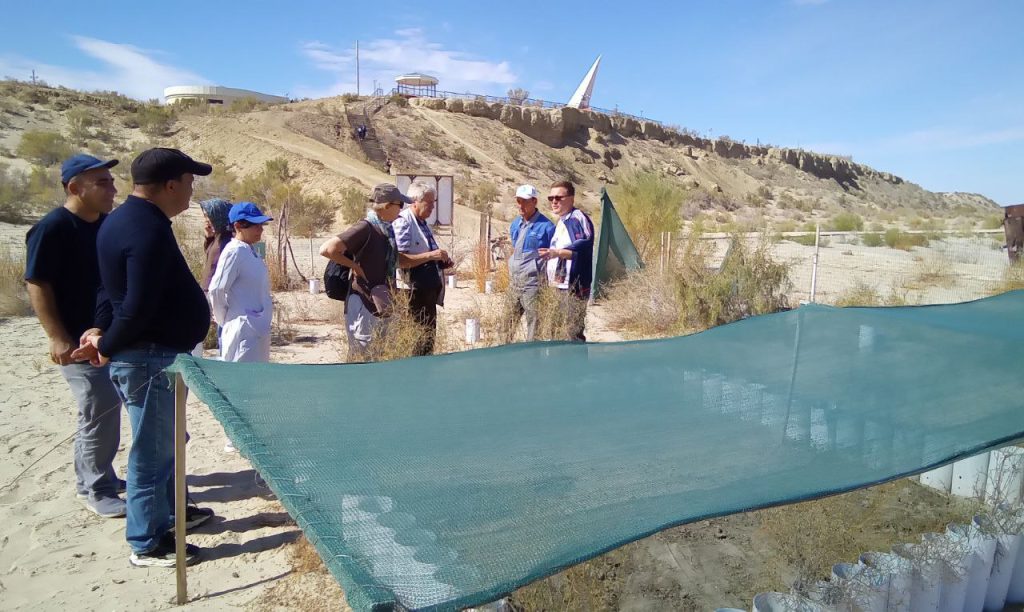
The Faculty of Biology at the National University of Uzbekistan (NUUz) recently organized a landmark scientific expedition to the Republic of Karakalpakstan, focusing on the dried-up bottom of the Aral Sea. The expedition, conducted in collaboration with foreign scientists, is part of the university’s ongoing efforts to address the environmental challenges posed by the Aral Sea disaster. Following this exploration, the NUUz team also held discussions with farmers in the vicinity of Angren, in the Tashkent region, aiming to foster sustainable agricultural practices in the area.
A Collaborative Expedition in the Aral Sea Region
The objective of the expedition was to study the unique ecological conditions of the Aralkum, including its soil composition, salinity levels, and potential for revegetation. By gathering data on these factors, the scientists aim to develop innovative approaches to restore life to this desolate area. Their work focused on identifying native and drought-resistant plant species that could be planted on the seabed, along with techniques for soil rehabilitation and erosion control.
The collaboration with foreign scientists brought in additional expertise from countries experienced in dryland restoration, enabling the team to compare strategies and share knowledge. This joint effort highlights the importance of international cooperation in addressing large-scale environmental issues like the Aral Sea crisis.
Engaging with Farmers in Angren, Tashkent Region
The meetings provided a platform for the university’s experts to share their research on soil health, water conservation, and sustainable crop management. Farmers in the Angren region, like many others in Uzbekistan, face growing pressures due to decreasing water resources and the impact of poor land management practices. The NUUz team shared insights from their scientific studies on how to improve soil fertility and increase crop yields while conserving water.
Farmers also had the opportunity to voice their concerns and share their experiences with the NUUz team, fostering an exchange of knowledge that can lead to practical solutions. The meetings underscored the university’s commitment to engaging with local communities and ensuring that scientific research has tangible benefits for those most affected by environmental issues.
Both the scientific expedition and the meetings with farmers are part of NUUz’s broader mission to contribute to sustainable land use and environmental protection in Uzbekistan. With the ongoing ecological challenges in the Aral Sea region and the increasing demands on agricultural land, the university recognizes the importance of research-driven solutions that support both environmental restoration.
The university’s work in the Aral Sea region is particularly significant, as it contributes to international efforts to rehabilitate one of the world’s most devastated ecosystems. By involving local farmers in the Tashkent region, NUUz also ensures that sustainable practices are adopted on the ground, helping to improve livelihoods and preserve natural resources.
Supporting Sustainable Land Use and Ecosystem
IN UZBEKISTAN