
Climate resilience
Seminar on Integrating Environmental and Climate Education Across Central Asia held at NUU

Tashkent, Uzbekistan – December 05, 2023 – National University of Uzbekistan named after Mirzo Ulugbek, in collaboration with the Ministry of Ecology, Environmental Protection, and Climate Change of Uzbekistan and the Central Asian University of Environment and Climate Change (Green University), hosted a pivotal seminar aimed at integrating environmental and climate knowledge into the educational curricula of primary and secondary schools, colleges, and universities across Central Asia. This event, held in partnership with the World Bank, underscores the critical importance of preparing the younger generation for a sustainable future and a transition to a “green” economy.
Supported by the World Bank’s RESILAND CA+ program, the seminar brought together over 70 key stakeholders, including policymakers, educators, and environmental experts from Kazakhstan, Kyrgyzstan, Tajikistan, and Uzbekistan. The event served as a platform for the exchange of ideas, experiences, and strategies aimed at enhancing climate and environmental education across the region.
KEY HIGHLIGHTS
1 | Youth Participation in Climate Initiatives
The seminar highlighted the significant role that young people play in addressing climate change. Recognizing that the future impacts of climate change will most directly affect today's youth, the event provided an important space for their voices to be heard in policy discussions. Students from the NUU, Green University, Khorug State University, Nazarbayev University, Naryn State University, and the National University of Tajikistan, along with students and teachers from Fergana, Jizzakh, and Samarkand regions, actively participated in the discussions. Their insights and recommendations focused on building a sustainable future and enhancing resilience to the consequences of climate change.
2 | Regional Collaboration and Knowledge Sharing
The seminar emphasized the need for regional cooperation in integrating climate and environmental education into academic curricula. Participants discussed best practices and innovative approaches to teaching climate science and environmental protection. The collaborative efforts aim to equip students with the knowledge and skills necessary to address the environmental challenges of the 21st century.
3 | Strategic Development of Educational Programs
Educators and environmental experts at the seminar worked on developing strategic frameworks for embedding environmental and climate knowledge into existing educational systems. The discussions centered on creating curricula that not only inform but also inspire students to become active participants in the global effort to combat climate change.


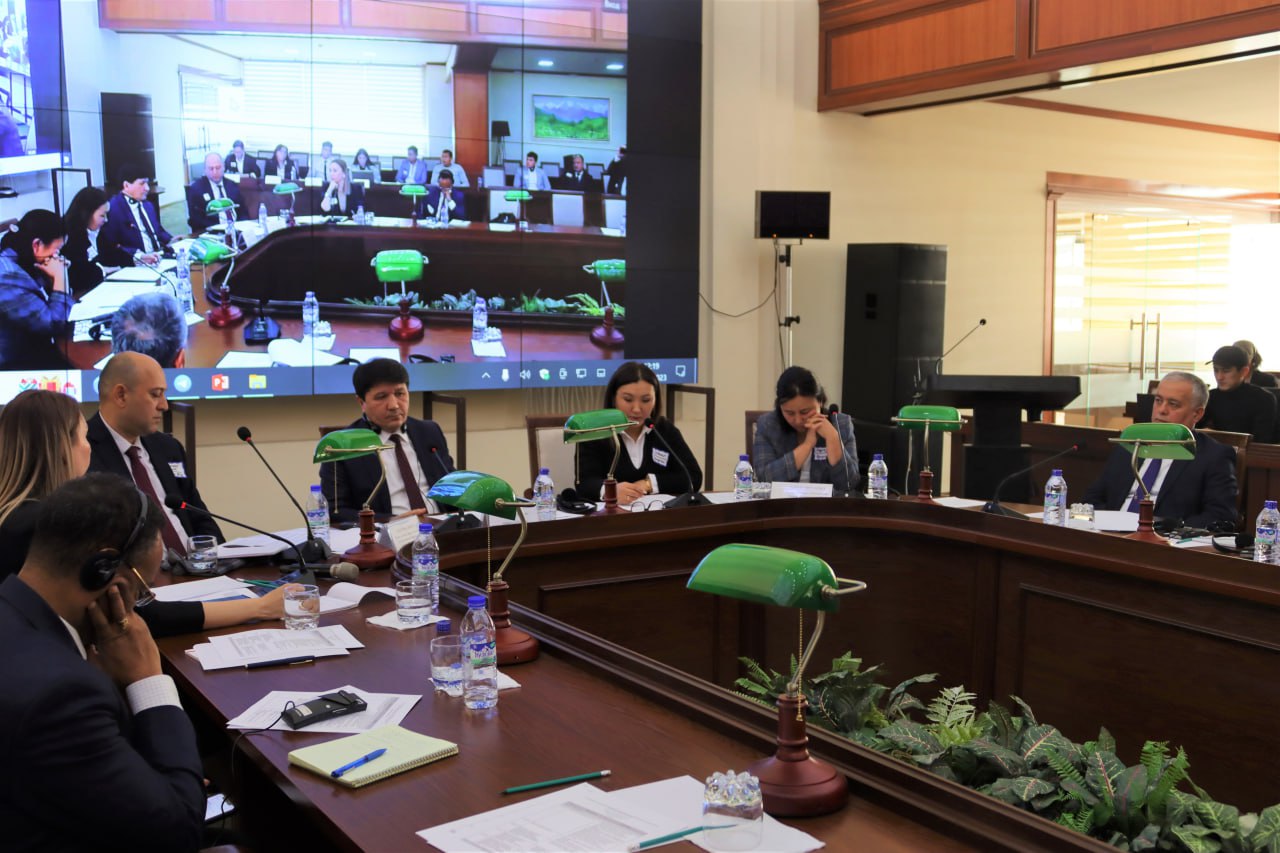
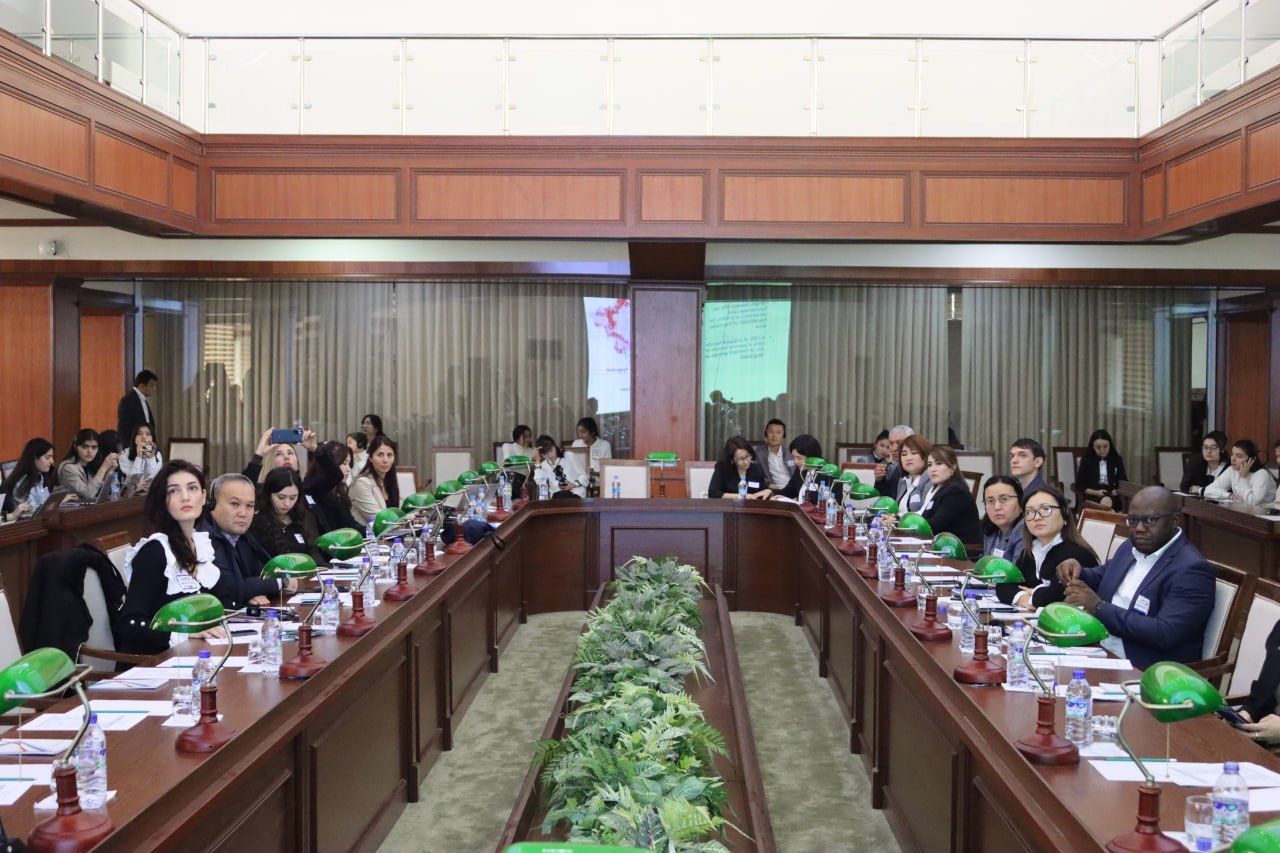
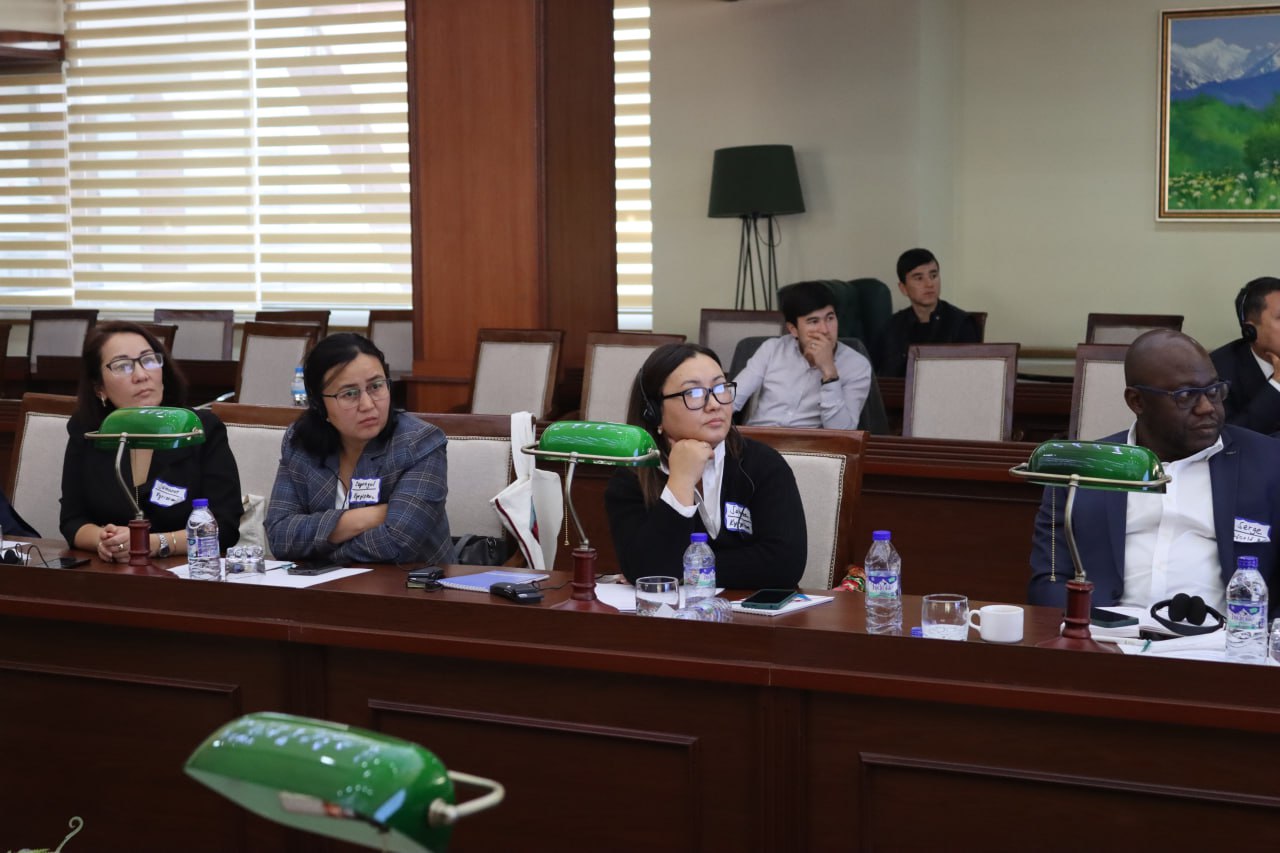
The purpose of this conference:
– Sharing what we learned in RESILAND CA+ rural schools, including student ideas and initial climate solutions in rural schools;
– Encouraging exchange of ideas and experience and cooperation among young people passionate about policymakers, teachers, researchers, university staff, innovative education, youth entrepreneurship, natural resource management and climate adaptation;
– Exploring ways to expand and sustain the impact of climate, environment and entrepreneurship education and activities in rural schools in Central Asia.
CO-OPERATIVE PLANNING FOR CLIMATE CHANGE DISASTERS
National University of Uzbekistan (NUUz) actively participates in cooperative planning for climate change disasters, collaborating closely with government agencies to address the complex challenges that arise from environmental crises. This cooperation is particularly crucial in situations that may involve the displacement of people, both within the country and across borders, as communities face the growing impacts of climate change.
A prime example of NUUz’s involvement in these critical issues was the recent conference titled “Integrating Environmental and Climate Education Across Central Asia,” held at the university. The event brought together experts and specialists from key governmental bodies, including the Ministry of Emergency Situations, the Ministry of Internal Affairs, the Ministry of Mining Industry and Geology, the Forestry Agency under the Ministry of Ecology, Environmental Protection, and Climate Change, and the Ministry of Water Management.
During the conference, discussions centered on the pressing need for comprehensive climate education and the integration of environmental knowledge into regional planning efforts. Topics such as disaster preparedness, climate-induced displacement, and cross-border cooperation were extensively covered. The event emphasized the importance of coordinated action among government agencies to mitigate the effects of climate change and manage the resulting humanitarian challenges.
NUUz’s role in these discussions highlights its commitment to fostering collaboration and developing strategies that not only protect the environment but also safeguard the well-being of communities vulnerable to climate change disasters. By working closely with government entities, the university is helping to shape policies and plans that address the complex and multifaceted impacts of climate change in Central Asia.
The seminar aligns with several United Nations Sustainable Development Goals (SDGs), including:
After lunch, a discussion was organized between students of different universities in order to exchange opinions on climate change. The following participants took part in it:
– Murodjon Abdurakhmanov as a representative from NUU (Uzbekistan);
– Nikita Durnov, representative of Nazarbayev University (Kazakhstan);
– Mohrukh Talabhuja, representative from Central Asian University (Tajikistan);
– Aydinay Temirbekova, representative from Central Asian University (Kyrgyzstan).
The outcomes of this seminar are expected to pave the way for the further development and implementation of climate-focused educational programs across Central Asia. By fostering a new generation of environmentally conscious and knowledgeable leaders, the region can make significant strides towards achieving a sustainable and resilient future.