


In today’s globalization environment, not only knowledge, but also personal development, spirituality, and moral values play an important role in the educational process. Our university, deeply aware of this aspect, organizes its activities based on these approaches.
The educational process at the university is not focused solely on imparting technical or academic knowledge. In each direction, educational work is carried out aimed at:
forming students’ feelings of patriotism,
developing qualities such as humanity, honesty, kindness, cooperation,
and respecting the traditions and values inherent in our people.
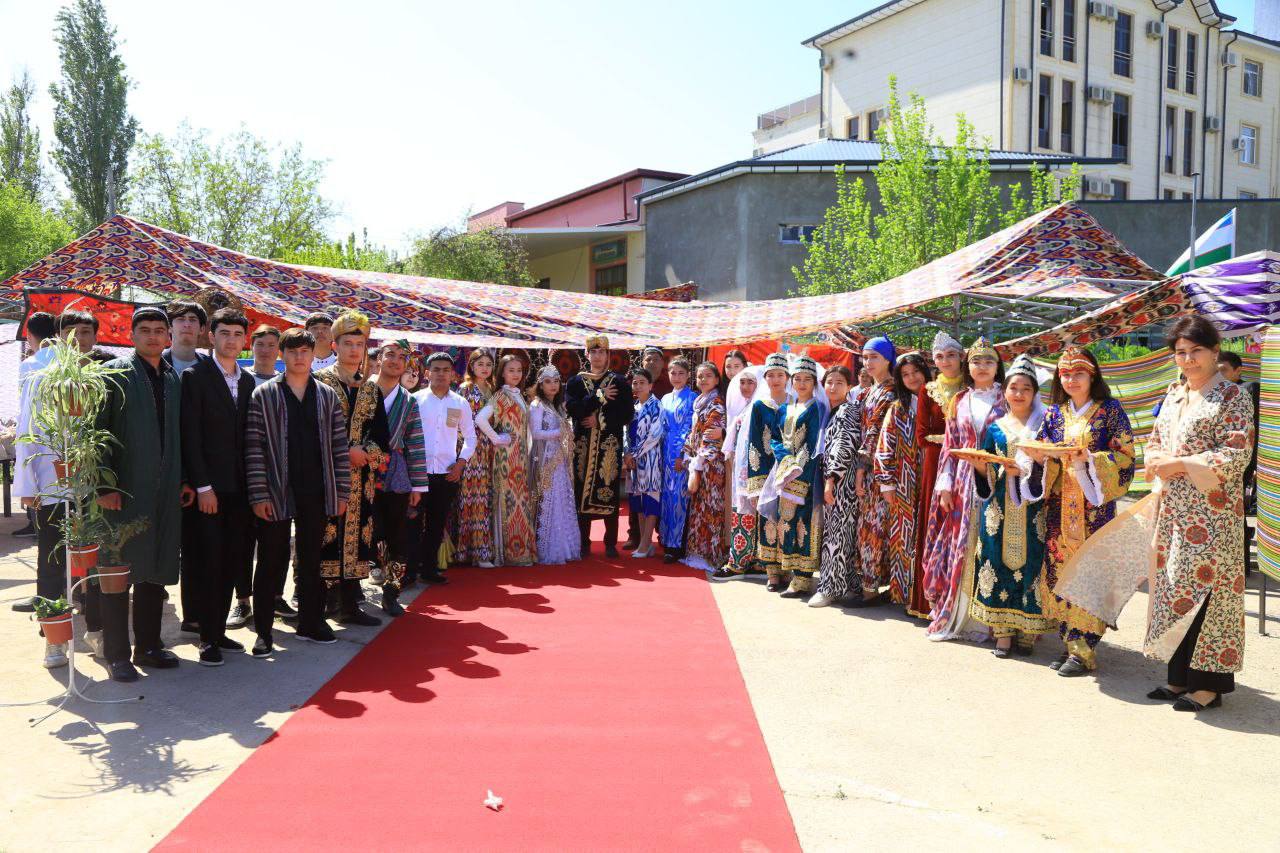
A spiritual and educational event was held at the National University of Uzbekistan to instill values of diversity, equality, and mutual respect in students. Representatives of different regions and nationalities participated in the event, discussing issues of tolerance, equal treatment, and the development of an inclusive environment. Through interactive sessions and cultural exhibitions, solidarity among students was strengthened. At the end of the event, the university’s work to create equal opportunities and support diversity was highlighted.
A student is not only a student, but also a future member of society. Therefore:
Deputy deans for spiritual and educational affairs at faculties,
Monitoring of personal upbringing and behavior through group coaches (tutors),
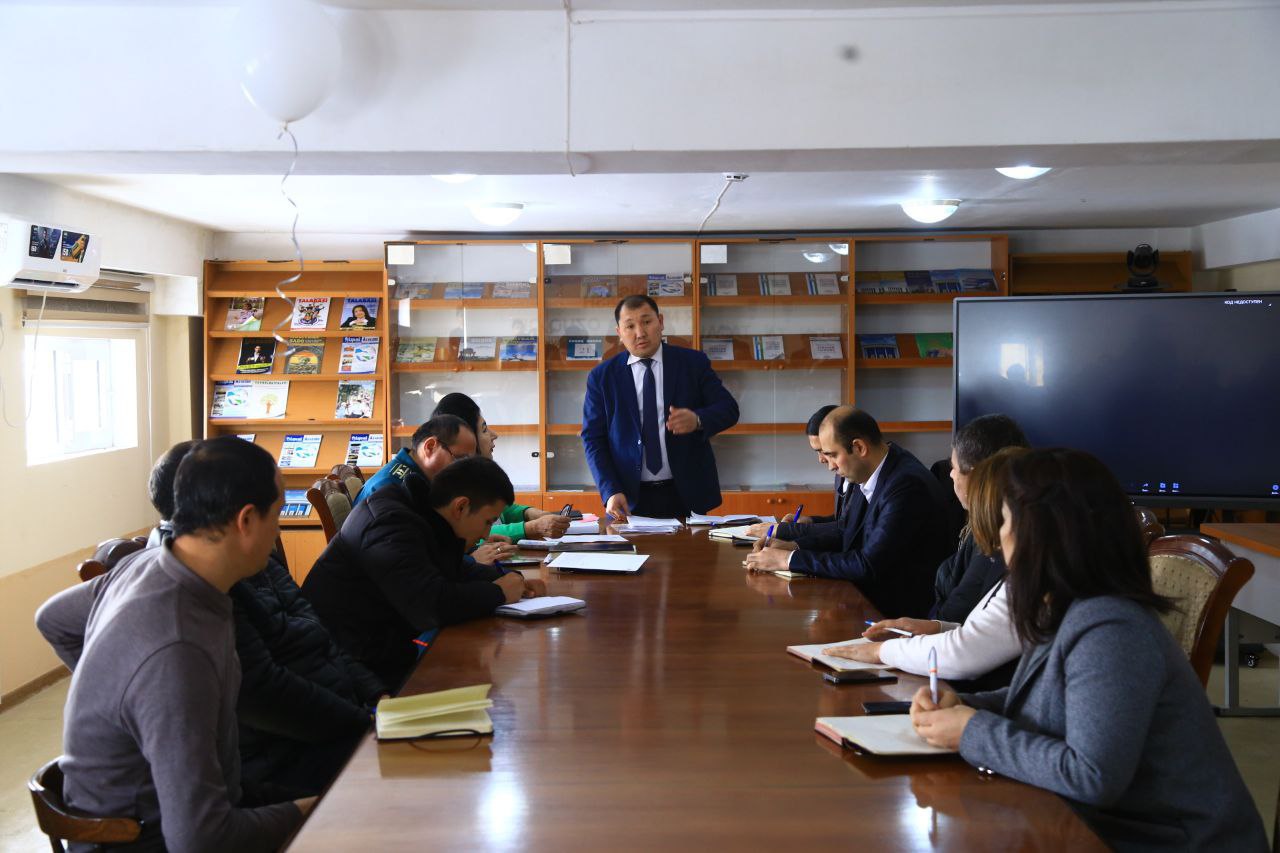
A positive environment is created through regular seminars, roundtables, and meetings.
Ethnicity, fairness, and equality are established between female students and teachers.
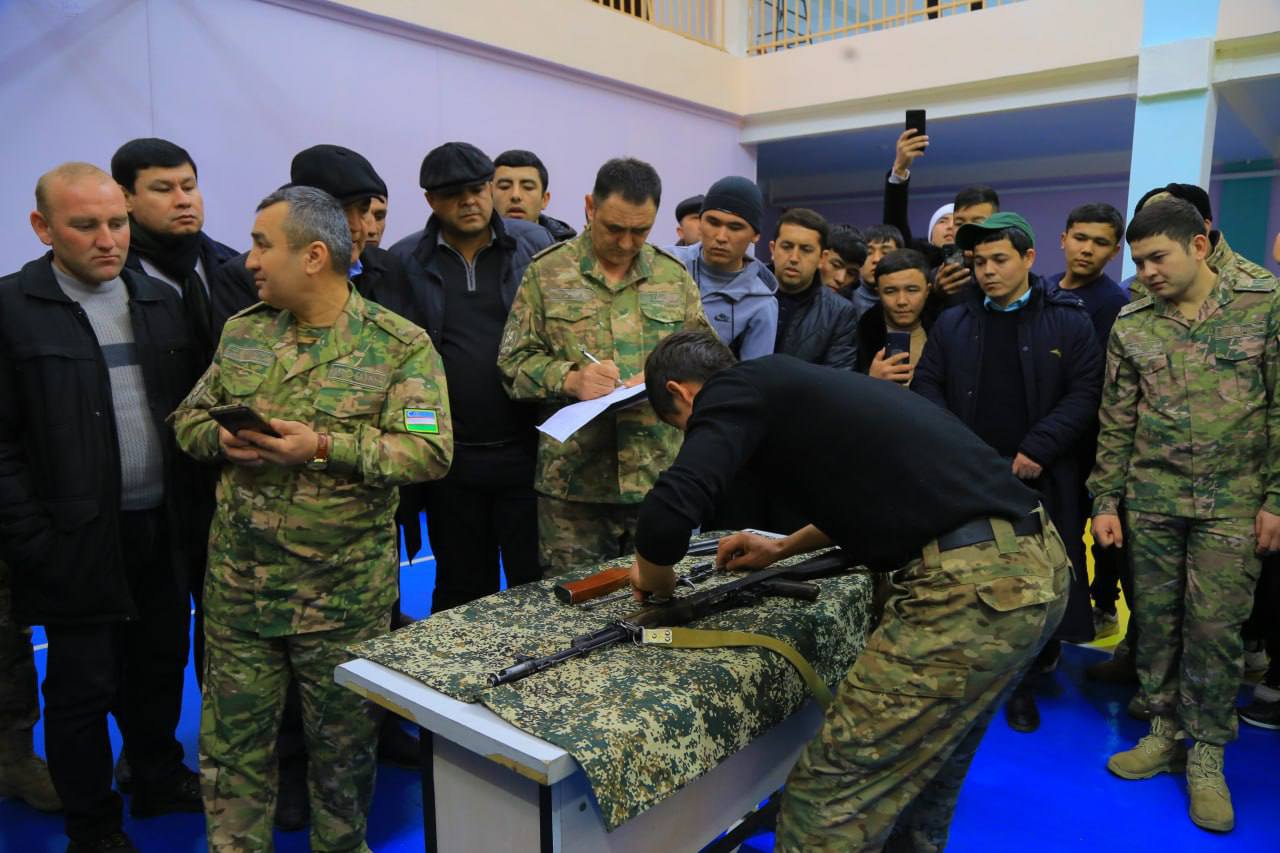
The university regularly holds preventive activities with the participation of students. Responsible leaders and specialists participate in these activities, providing students with ideas on how to avoid being influenced by harmful ideas, prevent the use of drugs and psychotropic substances, stay away from public disorder, and combat corruption.
These activities demonstrate that the university systematically conducts educational work based on values such as honesty, responsibility, and respect for the law.
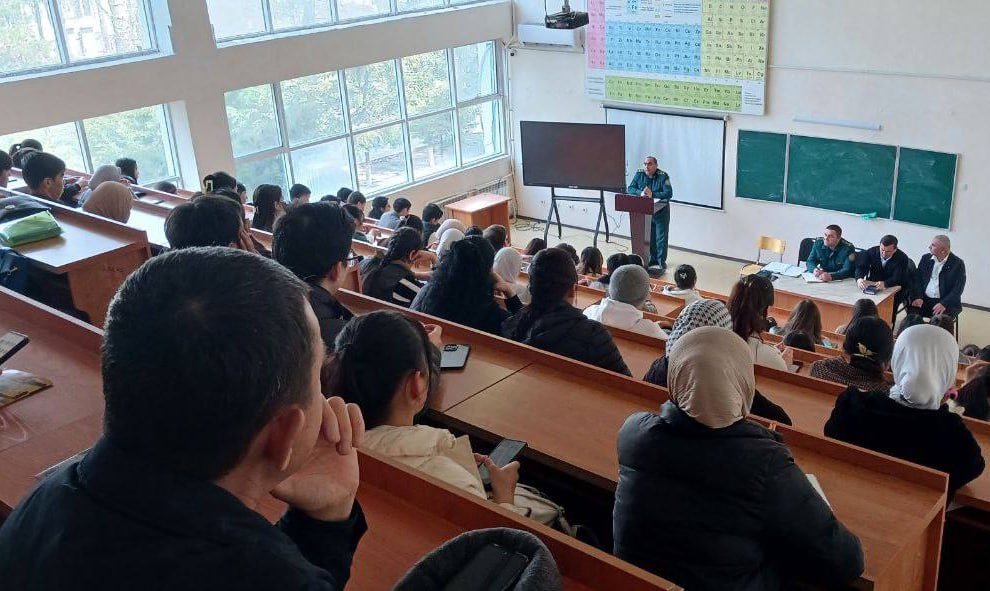
The roundtable discussion, held as part of the “Safe and Healthy Country” month, focused on warning students about crime, etiquette, and compliance with internal regulations. Experts gave recommendations on guiding young people in the right direction and strengthening their sense of responsibility.
The harmful effects of drugs, cybercrime, online gambling, and the need for civilized and safe use of social networks were also explained.
The university’s internal rules of conduct and etiquette are approved by official documents and must be followed by every student and employee without fail:
Culture of dress,
Respect in relationships,
Appearance, culture of speech,
Attendance at classes on time, and adherence to discipline. The university’s internal rules of conduct and etiquette are approved by official documents and must be followed by every student and employee without fail:
Culture of dress,
Respect in relationships,
Appearance, culture of speech,
Attendance at classes on time, and adherence to discipline.
Our university has created an environment based on the principles of academic honesty:
Achieving results through knowledge and hard work, not ignorance,
Fighting against plagiarism, copying, and false assessments,
Establishing a humane relationship between each student and teacher.
In this regard, our university psychologist provides extensive assistance to students.
The main goal of our university is to educate a knowledgeable, morally mature, spiritually rich and cultured generation. Through this approach, the university operates not only as a place of education, but also as a place of formation and development.