
"Ecofidokorlar" Club
he Eco-Volunteers Club operates weekly at the Faculty of Biology and Ecology, bringing together more than 30 active students.
Each week, the club holds interactive classes and debates focused on pressing ecological issues—such as climate change, waste management, biodiversity conservation, and sustainable lifestyles.
These sessions help students strengthen their critical thinking, teamwork, and communication skills, while fostering a culture of environmental responsibility on campus.
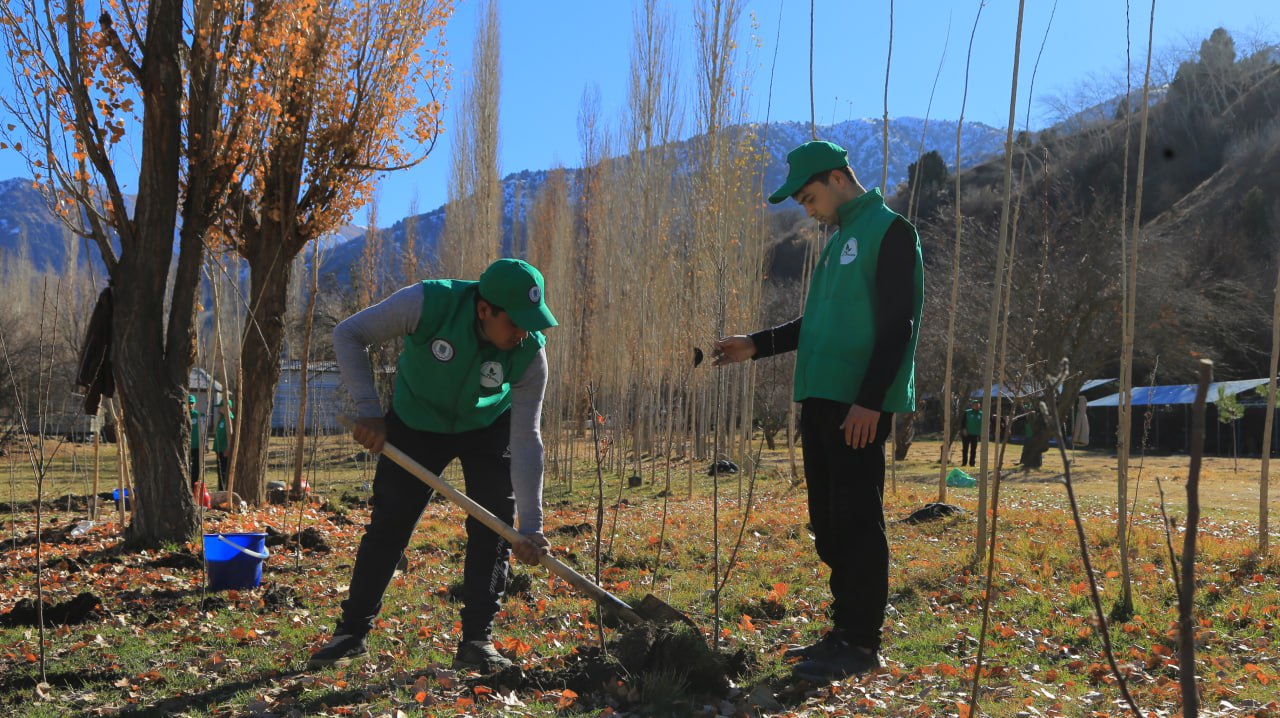





Overview Overview
The Eco-Volunteers Club (ECOFIDOKORLAR) at the Faculty of Biology and Ecology of the National University of Uzbekistan is a student-led initiative dedicated to promoting environmental awareness and sustainable behavior. The club unites more than 30 active students who meet weekly to discuss and debate pressing ecological issues such as climate change, waste management, biodiversity protection, and the importance of sustainable living. Through interactive classes, collaborative projects, and open debates, the club serves as a practical learning platform that connects environmental education with real-world challenges. It also plays a vital role in motivating young people to take action toward achieving the United Nations Sustainable Development Goals (SDGs).
Course Objectives
- Understand core environmental concepts and global sustainability challenges within the framework of the United Nations Sustainable Development Goals (SDGs).
2. Analyze ecological problems critically and identify practical, locally relevant solutions through teamwork and research.
3. Promote environmental awareness by organizing debates, campaigns, and training sessions focused on climate change, biodiversity conservation, and sustainable lifestyles.
4. Apply theoretical knowledge to real-world community projects and environmental initiatives.
Learning Outcomes
Participation in the Eco-Volunteers Club enables students to develop both academic and personal competencies. Members learn to critically analyze environmental problems, design and implement eco-friendly initiatives, and communicate sustainability concepts effectively. They also gain experience in teamwork, leadership, and research through seminars, training sessions, and ecological campaigns. By applying sustainability principles to their academic and community projects, students enhance their capacity for problem-solving and become more aware of their role as future environmental leaders.