
Regional Cooperation Civil Protection Day Event
From March 15 to April 15, in alignment with the “Month of Emergency Protection and Civil Defense,” the National University of Uzbekistan hosted a series of events at the Faculty of Chemistry building to promote awareness and preparedness for emergencies, including those exacerbated by climate change-related disasters.
The event brought together university leadership, faculty members, emergency response specialists from the Almazar District Emergency Situations Department, representatives from the district ambulance service, and members of the “Qalqon” group. Vice-Rector for Financial and Economic Affairs, Vali Yodgarov, officially opened the event with an introductory speech highlighting the importance of regional cooperation in civil protection.
Under the leadership of Associate Professors Ravshan Okhunov and Rano Rustamova, students from the Faculties of Chemistry, Biology, and Ecology participated in a quiz and an exhibition titled “A Rescuer is an Honorable Profession,” promoting education on emergency response and community resilience.
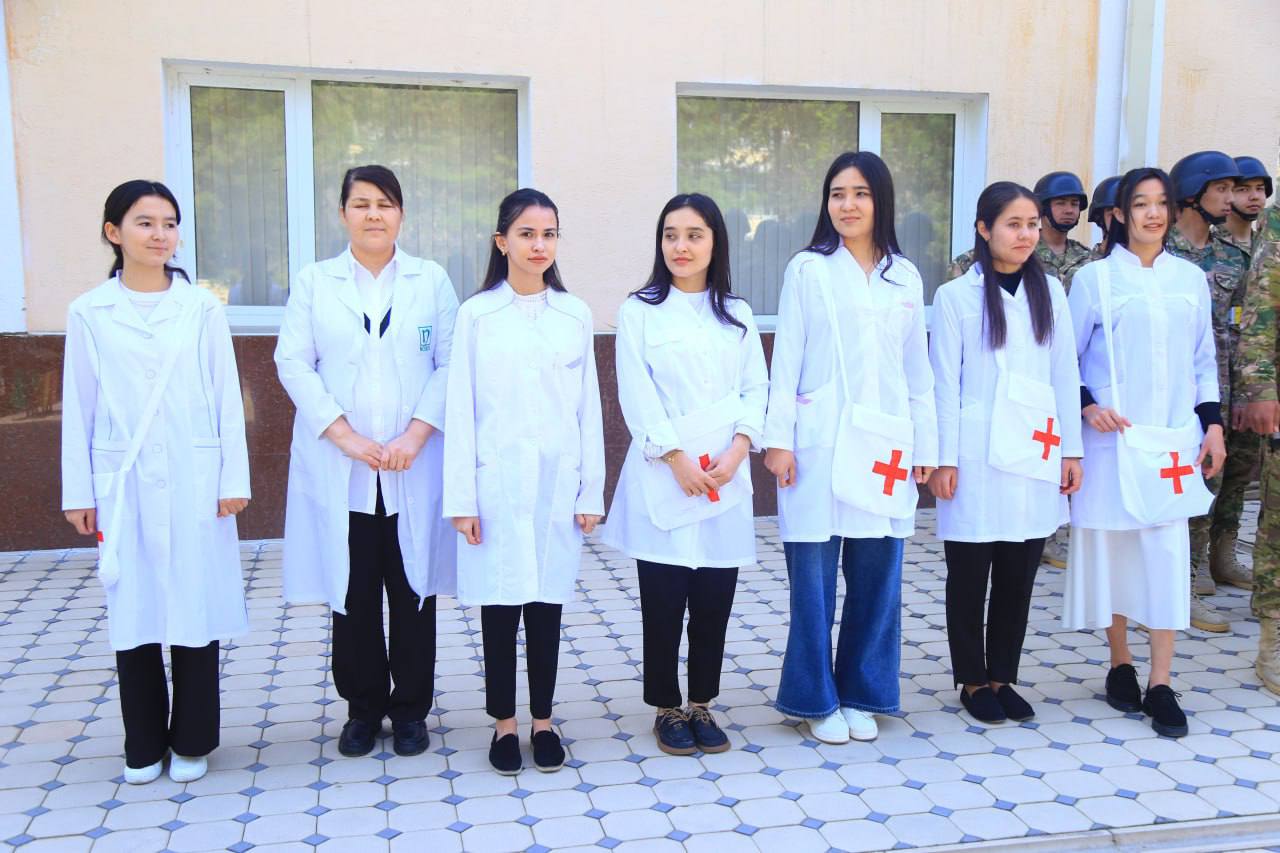
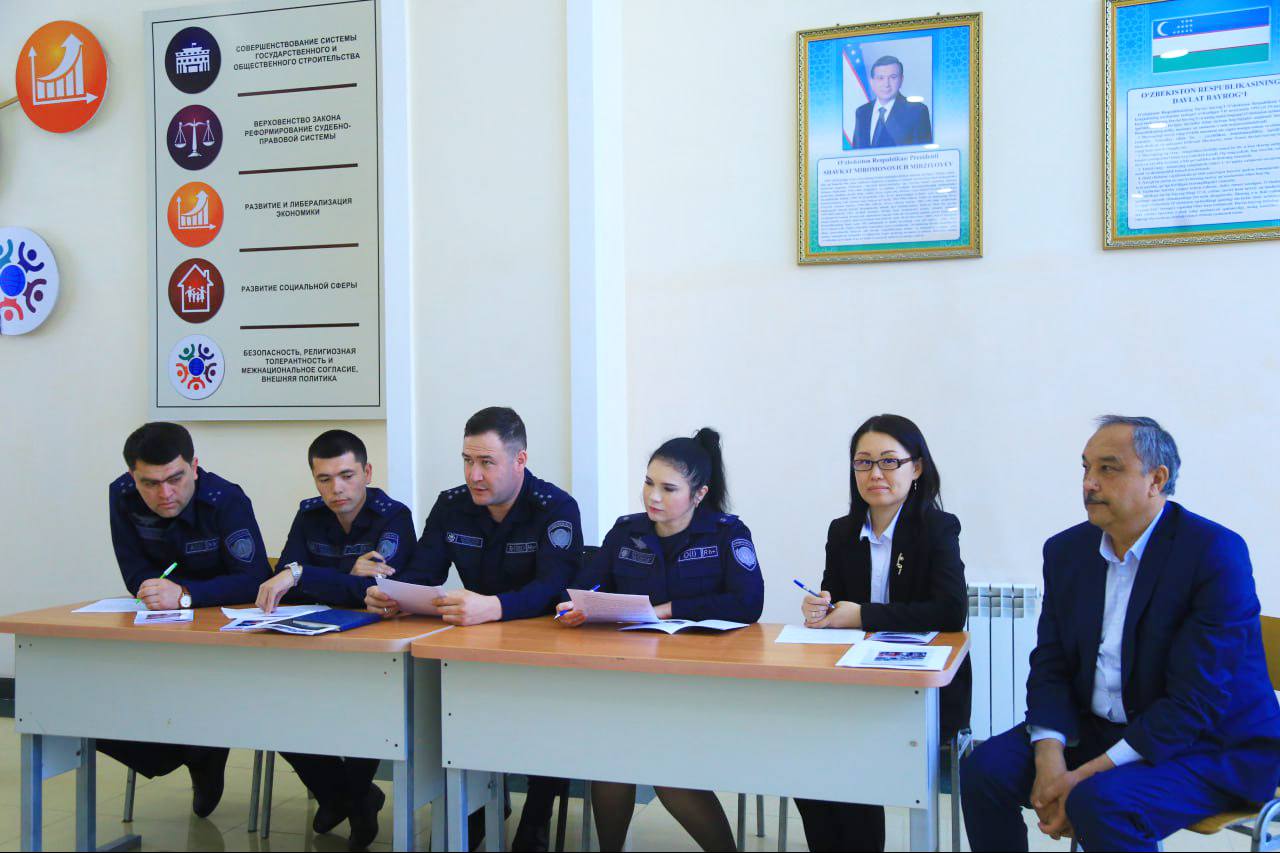
Behzod Mavlonov, Head of the Department of Civil and Labor Protection, coordinated a parade of emergency units and practical exercises demonstrating correct actions during earthquakes and fires. These exercises involved students, staff, and emergency units, emphasizing evacuation procedures and first aid for simulated injuries.
Specialists from the Ministry of Emergency Situations and the Civil Defense Institute observed the drills and provided valuable feedback to improve local and regional disaster response capabilities. The event also featured specific exercises by Military Training Center cadets, ensuring readiness for diverse emergency scenarios.
This event reflects the university’s commitment to strengthening regional cooperation and community preparedness to mitigate the impacts of climate change-induced disasters such as floods, heatwaves, and wildfires. By fostering collaboration among educational institutions, government agencies, and emergency services, the university contributes to building resilient systems capable of effectively responding to evolving climate risks