
In recent years, the National University of Uzbekistan has been implementing large-scale work to improve the energy efficiency of buildings and ensure environmental sustainability, along with the quality of education. These reforms are aimed at adapting the university infrastructure to modern requirements, rational use of resources, and the introduction of green energy ideas.
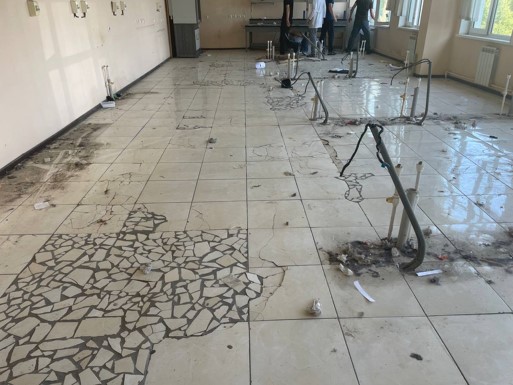
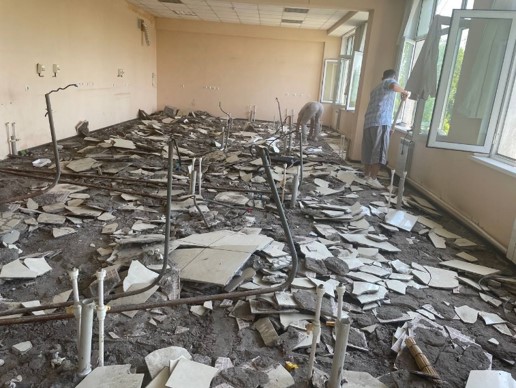
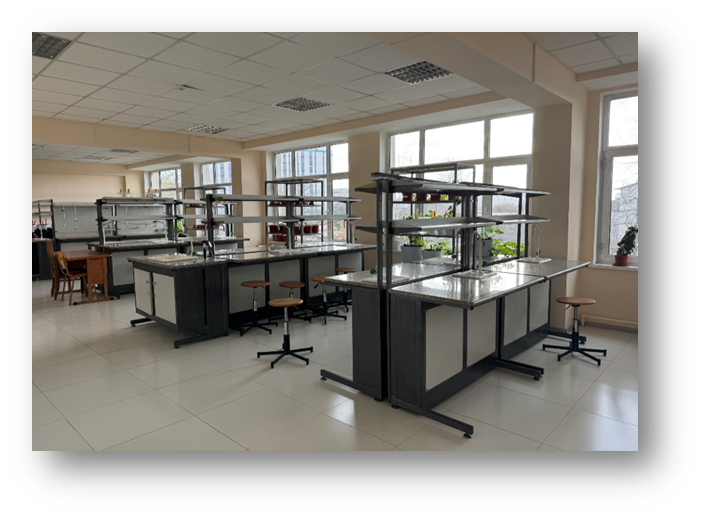
The university has completely renovated laboratory buildings 408, 411, and 424, and their infrastructure has been equipped with highly energy-efficient systems. Energy-efficient lighting, heat-saving window and door systems, modern ventilation, and automatic control systems have been installed in the buildings.
As a result of these changes, the energy consumption of buildings has been significantly reduced, creating a comfortable, safe, and environmentally friendly learning environment for students.
The main focus of the modernization projects implemented by the university administration is on the implementation of green technologies and reducing the carbon footprint. To this end, thermally insulated wall cladding, solar energy systems, and automated electrical control systems are being introduced.
In addition, in the coming years, it is planned to bring other educational buildings, dormitories, and laboratories on the university campus to a high energy efficiency level.
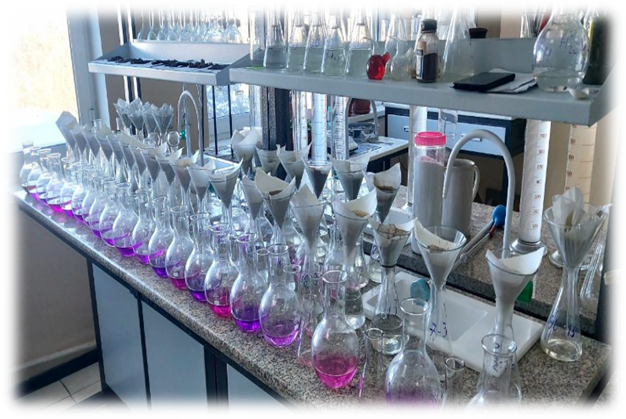
New energy-efficient solutions are reflected not only in the exterior of the building, but also in the internal scientific environment. The renovated laboratories 408, 411, and 424 are equipped with modern educational equipment and are organized on the basis of systems designed for optimal use of electricity.
This approach not only ensures energy conservation, but also allows for the practical application of the principles of sustainable development in scientific activities.
The university’s strategic plan provides for the gradual modernization of existing buildings, their adaptation to energy efficiency standards, and the full implementation of the “green campus” concept. Through this, the university is becoming one of the leading higher education institutions in the country, not only in education and science, but also in environmental responsibility.