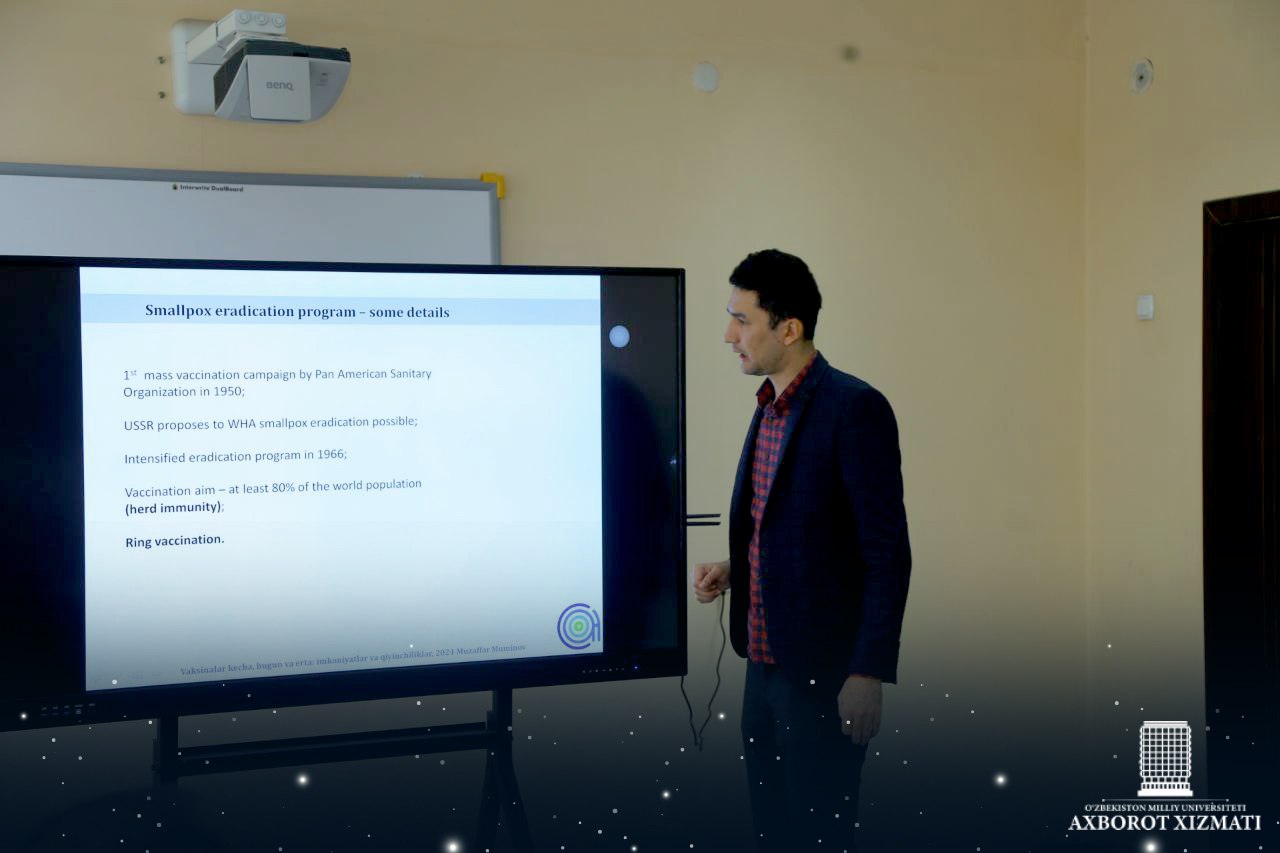

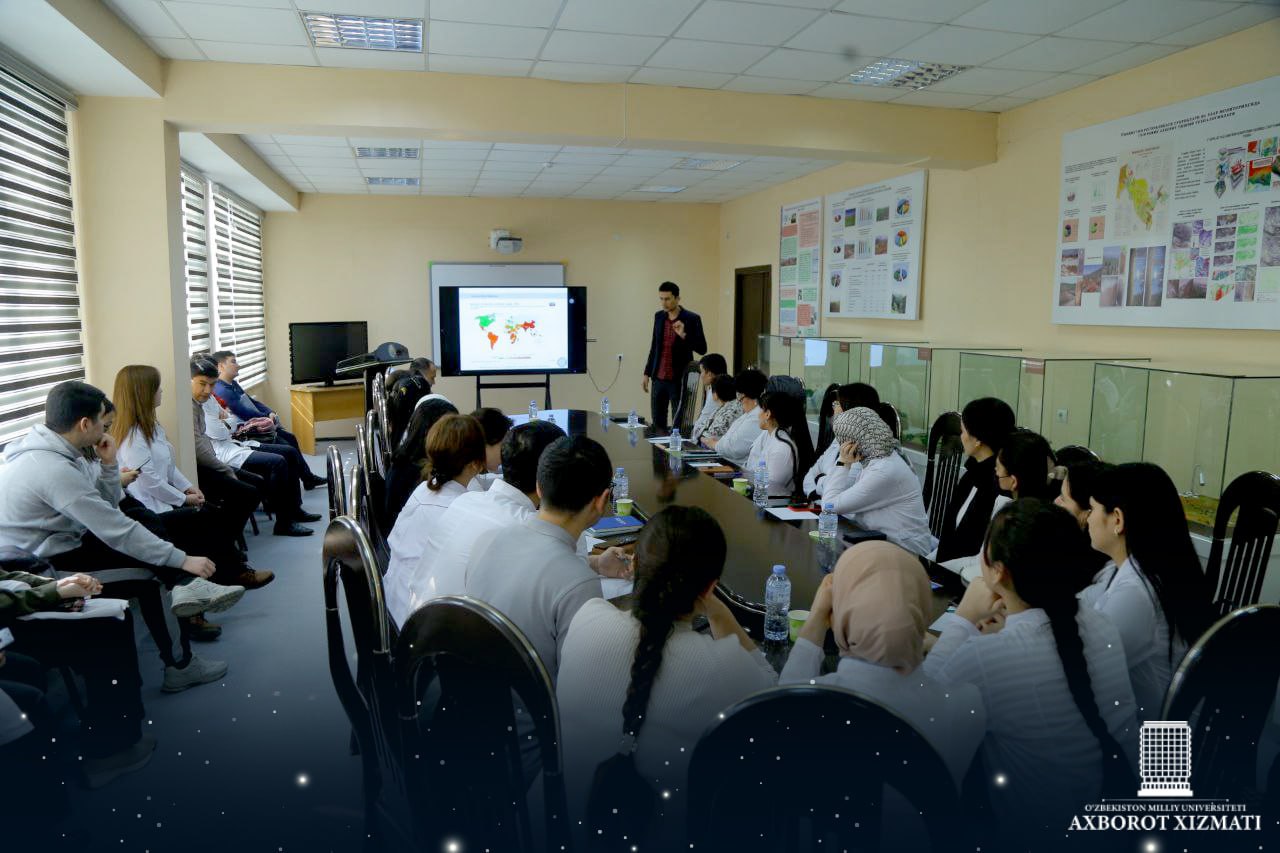
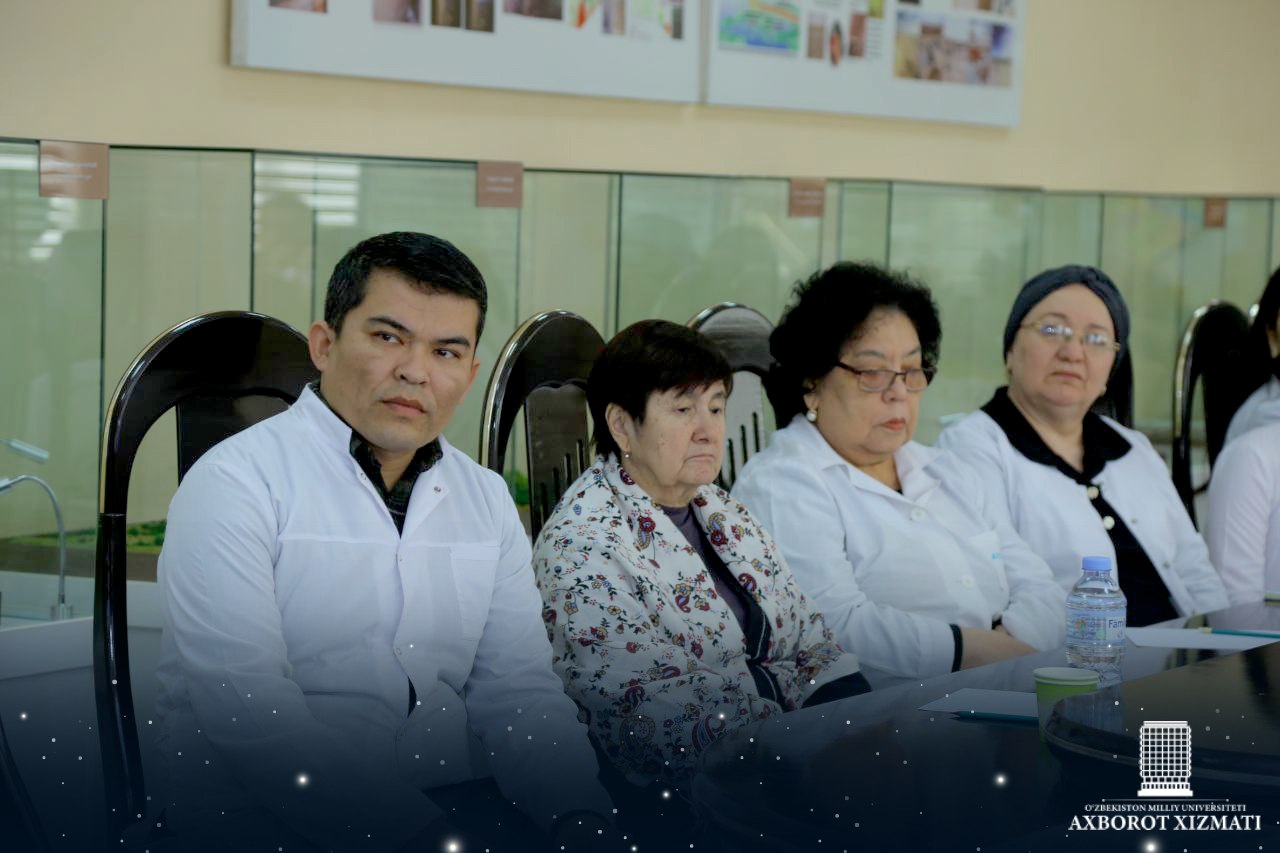
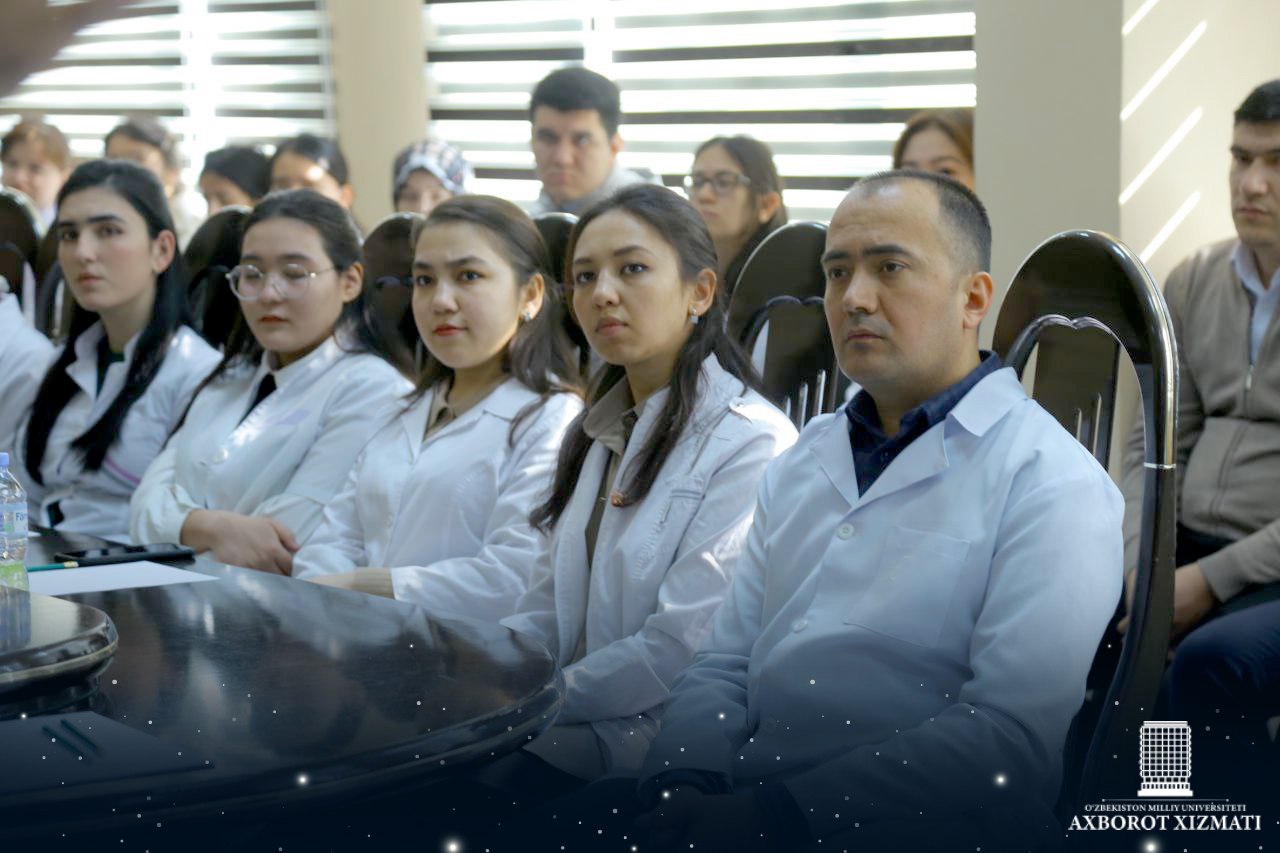

As part of its ongoing efforts to promote scientific inquiry and biotechnological innovation, the Faculty of Biology at the National University of Uzbekistan named after Mirzo Ulugbek hosted the latest session of the “Young Biochemists” scientific circle, organized in the form of a seminar.The event featured a seminar-training by Dr. Muzaffar Muminov, a researcher at the Biotechnology Laboratory of the Center for Advanced Technologies. His presentation, titled “Vaccines: Yesterday, Today, and Tomorrow – Opportunities and Challenges”, offered an in-depth exploration of the development, application, and future prospects of vaccines in the global health landscape.The event featured a seminar-training by Dr. Muzaffar Muminov, a researcher at the Biotechnology Laboratory of the Center for Advanced Technologies.
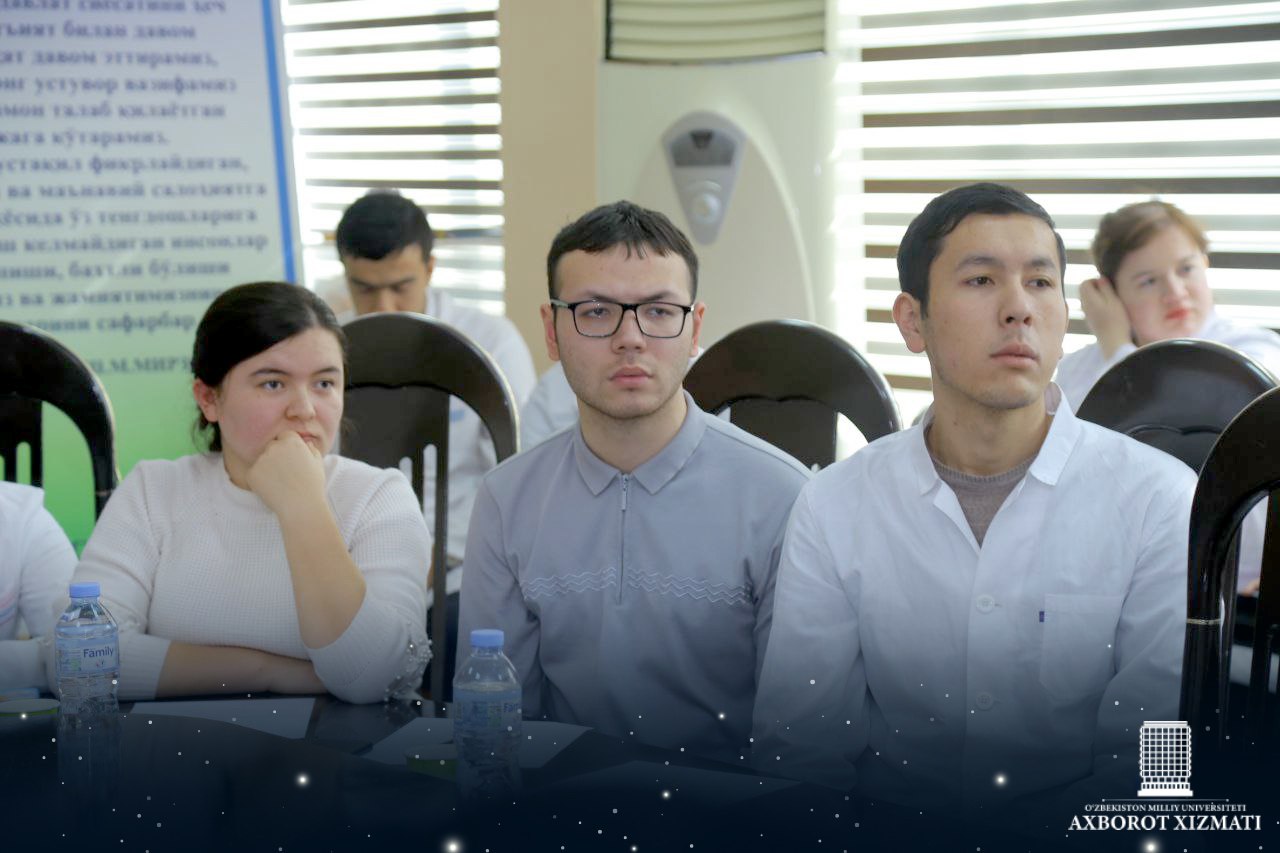
His presentation, titled “Vaccines: Yesterday, Today, and Tomorrow – Opportunities and Challenges”, offered an in-depth exploration of the development, application, and future prospects of vaccines in the global health landscape.Attending the seminar were faculty members, PhD candidates, undergraduate and graduate students, as well as independent researchers. The discussion covered the worldwide spread of infectious diseases, with a particular focus on COVID-19 and other emergent pathogens. Dr. Muminov elaborated on modern vaccine development technologies, current international approaches, and Uzbekistan’s own vaccine initiatives.
The seminar also highlighted the challenges of ensuring equitable vaccine access, the scientific and logistical hurdles in vaccine production, and the strategic direction of biotechnological research in Uzbekistan and beyond. Participants engaged in a dynamic Q&A session, discussing not only scientific questions but also ethical and policy aspects of vaccine use in a post-pandemic world.
This academic event reflects the faculty’s broader commitment to global health preparedness and co-operative planning for future climate-related disasters. As infectious disease outbreaks are increasingly linked to climate change and environmental disruption, the seminar addressed long-term resilience building, vaccine strategy, and scientific coordination with national institutions such as the Center for Advanced Technologies.
In this context, the National University of Uzbekistan actively contributes by engaging in educational and scientific collaboration that supports government efforts to prepare for climate-driven disasters and potential internal or cross-border displacement. Through partnerships and policy-relevant research, the university plays a vital role in shaping the national response to future biological and environmental crises.