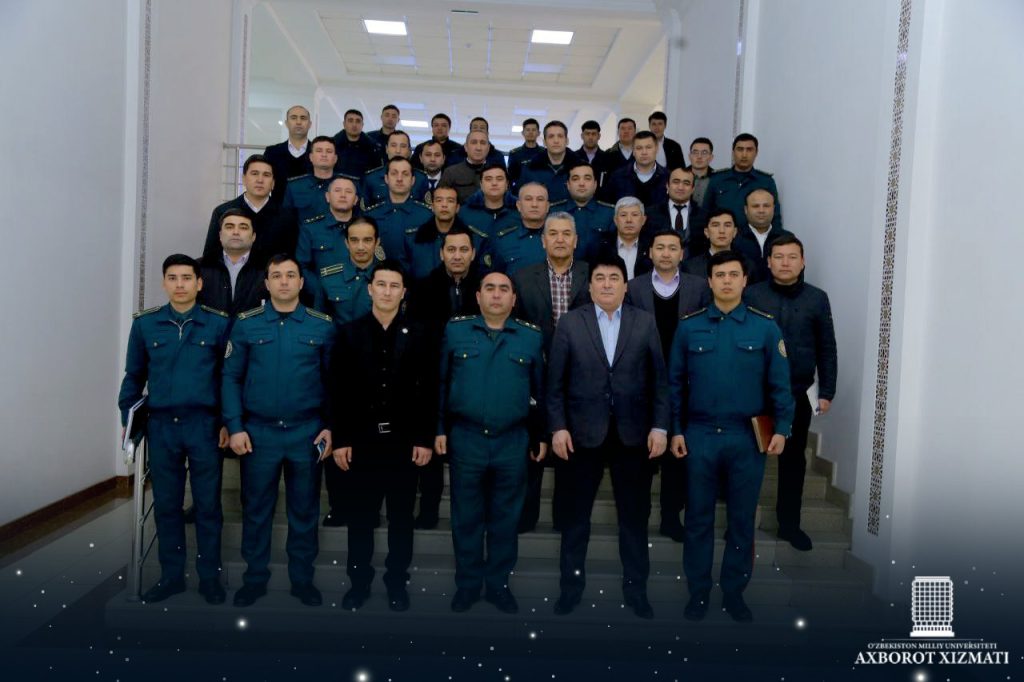
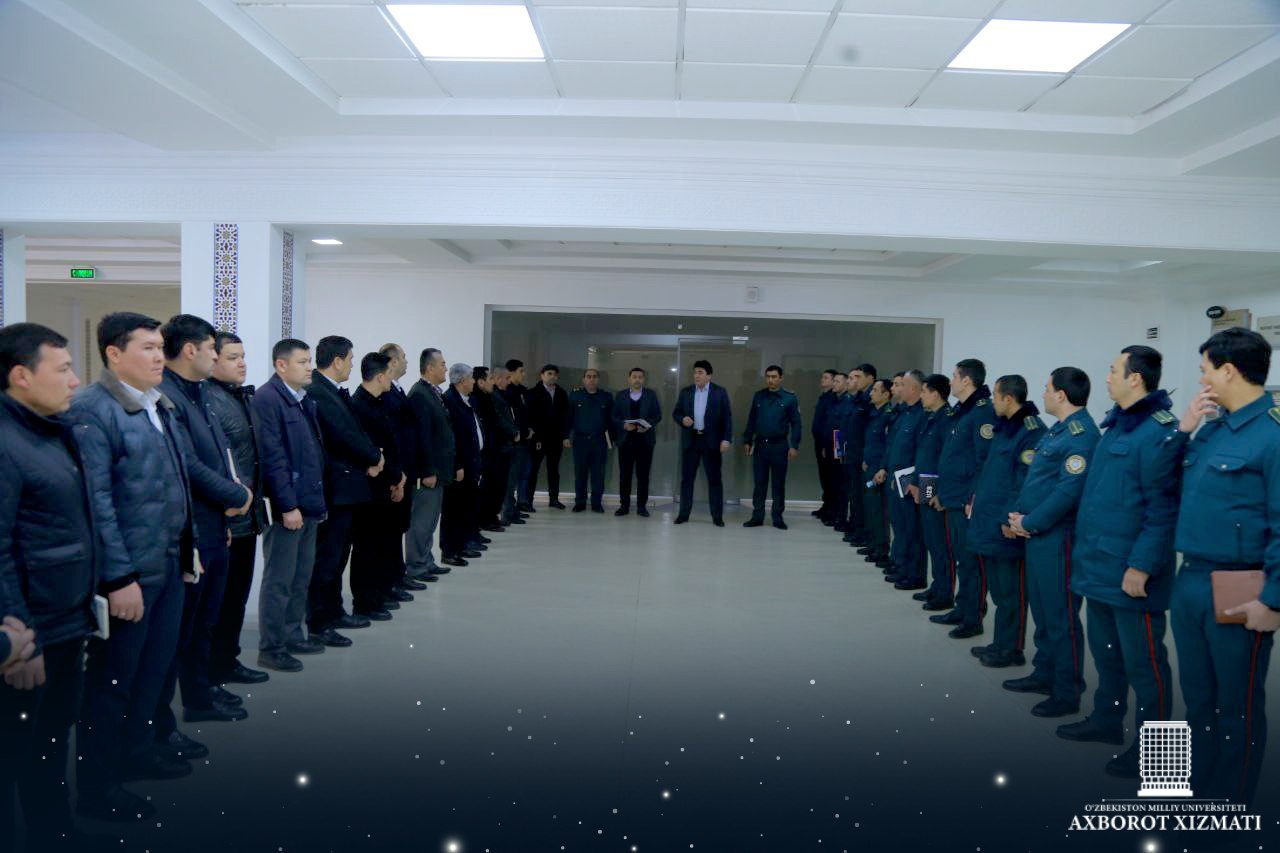
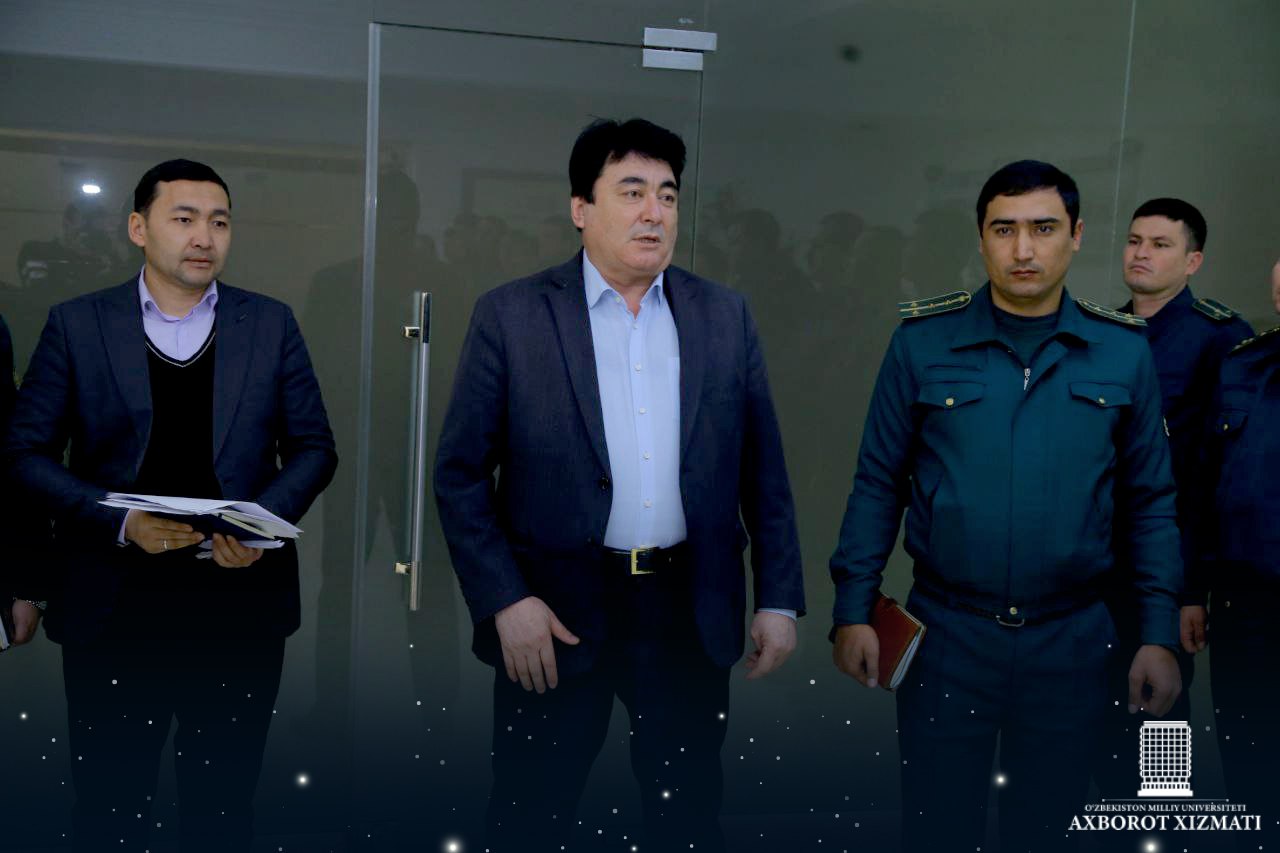



As the frequency and intensity of climate-related disasters continue to rise globally, the spread of misinformation during such events has become an increasingly dangerous threat. In response, the National University of Uzbekistan named after Mirzo Ulugbek, in collaboration with the Cybercrime Division of the Tashkent City Police Department, has launched an awareness campaign to educate students on the critical importance of information integrity during emergencies.
False or misleading information during climate disasters — such as earthquakes, floods, or heatwaves — can result in panic, misdirected evacuation efforts, distrust in official sources, and even loss of life. Whether spread deliberately or unintentionally, misinformation undermines emergency response systems, diverts resources, and weakens public resilience.
The university’s campaign highlights the need for digital literacy and critical thinking skills among young people, especially in an era where social media is a primary source of news. Students were taught how to verify sources, recognize disinformation tactics, and responsibly share information — especially during high-risk situations when accurate communication is essential.
By combining efforts in cybersecurity, climate disaster preparedness, and media literacy, this initiative supports broader national goals of building a well-informed, resilient society capable of responding effectively to the complex challenges of climate change and crisis management.
This cooperation illustrates the growing need for academic institutions and law enforcement agencies to jointly address the spread of misinformation as a key component of climate action and disaster risk reduction.