
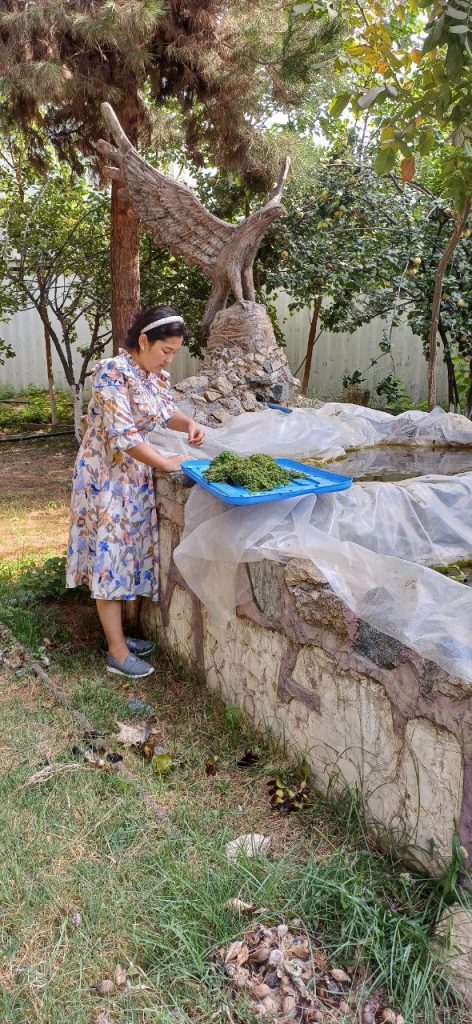
Innovative Recycling of Aquatic Plants:
Turdialiva Xurmatoy and her team from the Biology Department, aquatic plants used in wastewater treatment are being repurposed as feed for black cattle. This creative and sustainable approach not only enhances water purification processes but also contributes to local agricultural practices, providing a win-win solution for environmental and farming challenges.
From Wastewater to Farmland:
A Dual Purpose
The team has been using aquatic plants such as water hyacinths and duckweed to treat wastewater by absorbing pollutants, effectively acting as natural biofilters. Once their role in water purification is complete, the leftover plant biomass is collected, processed, and transformed into nutrient-rich feed for black cattle.
This approach solves two critical issues:
- Efficient Waste Management: By recycling the plants, waste is minimized, reducing environmental impact.
- Affordable Feed for Farmers: Farmers benefit from a cost-effective, high-protein feed source for their livestock.
Collaboration with Local Farmers
The project has been implemented in close cooperation with local cattle farmers, who have welcomed the initiative for its economic and ecological advantages. The partnership ensures a steady supply of sustainable feed, promoting healthier cattle and supporting rural livelihoods.
Farmers report improvements in livestock health and productivity, highlighting the practical benefits of this innovative feed source. The circular economy model not only reduces costs but also strengthens community ties between researchers and agricultural stakeholders.
A Productive and Sustainable Solution
This initiative demonstrates the potential of integrating biology, agriculture, and environmental science to address pressing global challenges. By utilizing a renewable resource like aquatic plants, the project provides a sustainable alternative to traditional cattle feed, reducing dependency on expensive or ecologically taxing options.
The method’s impact goes beyond immediate agricultural benefits:
- Environmental Gains: Effective water treatment and waste reduction.
- Economic Benefits: Affordable solutions for local farmers.
- Social Impact: Strengthened collaboration between academia and the farming community
Looking Ahead
Turdialiva Xurmatoy and her team aim to expand the initiative further by exploring other potential uses for aquatic plant biomass and refining the feed preparation process for maximum nutritional value. Their work showcases how innovative research can drive sustainable development while fostering community resilience.
This project is a testament to the power of science and collaboration in creating solutions that benefit both people and the planet.