
On December 6 of this year, the Uzbekistan-Japan Youth Innovation Center at the Islam Karimov Tashkent State Technical University hosted the ERASMUS+ National Information Day.
The Erasmus+ Information Day began with introductory remarks by the Ambassador of the European Union to Uzbekistan, Mr. Toyvo Klaar, First Deputy Minister of Higher Education, Science and Innovation of Uzbekistan, Shohrukh Daliyev, and the Rector of Tashkent State Technical University, Dr. Sadriddin Turabjonov.
As part of this information day, the Erasmus+ Information Day and Mini-Projects Fair dedicated to the 30th anniversary of cooperation between the European Union and Uzbekistan were held at Tashkent State Technical University. The event was attended by Gulasal Rofiyeva, Head of the Department of Strategic Development and International Ranking of NUU, and Alijon Oripov, the department’s specialist.
The Ambassador of the European Union to the Republic of Uzbekistan, Toivo Klaar, noted that he is pleased that the European Union is contributing to the scientific and international projects being carried out with Uzbekistan within the framework of the ERASMUS+ project.
During the event, the participants received information about the goals of the European Union aimed at developing higher education and the global impact of the Erasmus+ program. It was also noted how important these programs are in increasing the international ranking of Uzbek universities. This will further expand the opportunities for developing the higher education system of Uzbekistan through international cooperation and supporting innovative projects.
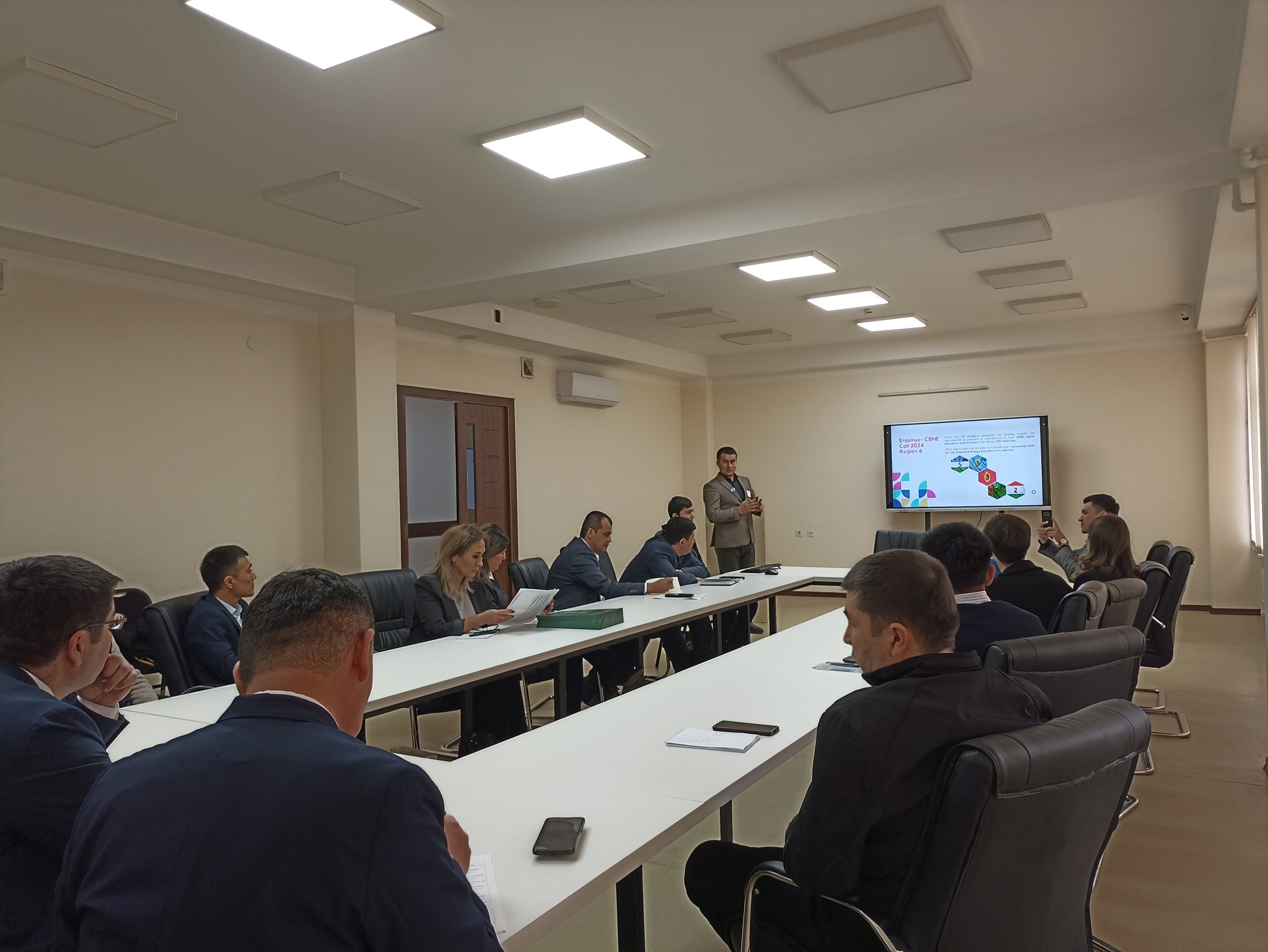

During the Erasmus+ Information Day, they highlighted key priorities such as advancing the Green Deal, fostering Digital Transformation, and promoting the Sustainable Development Goals (SDGs). These priorities reflect Erasmus+’s commitment to addressing pressing global challenges:
The Green Deal: Emphasizing sustainable practices and environmental protection through education and training programs. Projects focus on climate change mitigation, renewable energy, and eco-friendly innovation.
Digital Transformation: Supporting the development of digital skills and innovative technologies in education to enhance learning opportunities and ensure inclusivity in the digital era.
Sustainable Development Goals: Aligning Erasmus+ initiatives with the SDGs by addressing global issues like quality education, gender equality, reduced inequalities, and partnerships for sustainable progress.