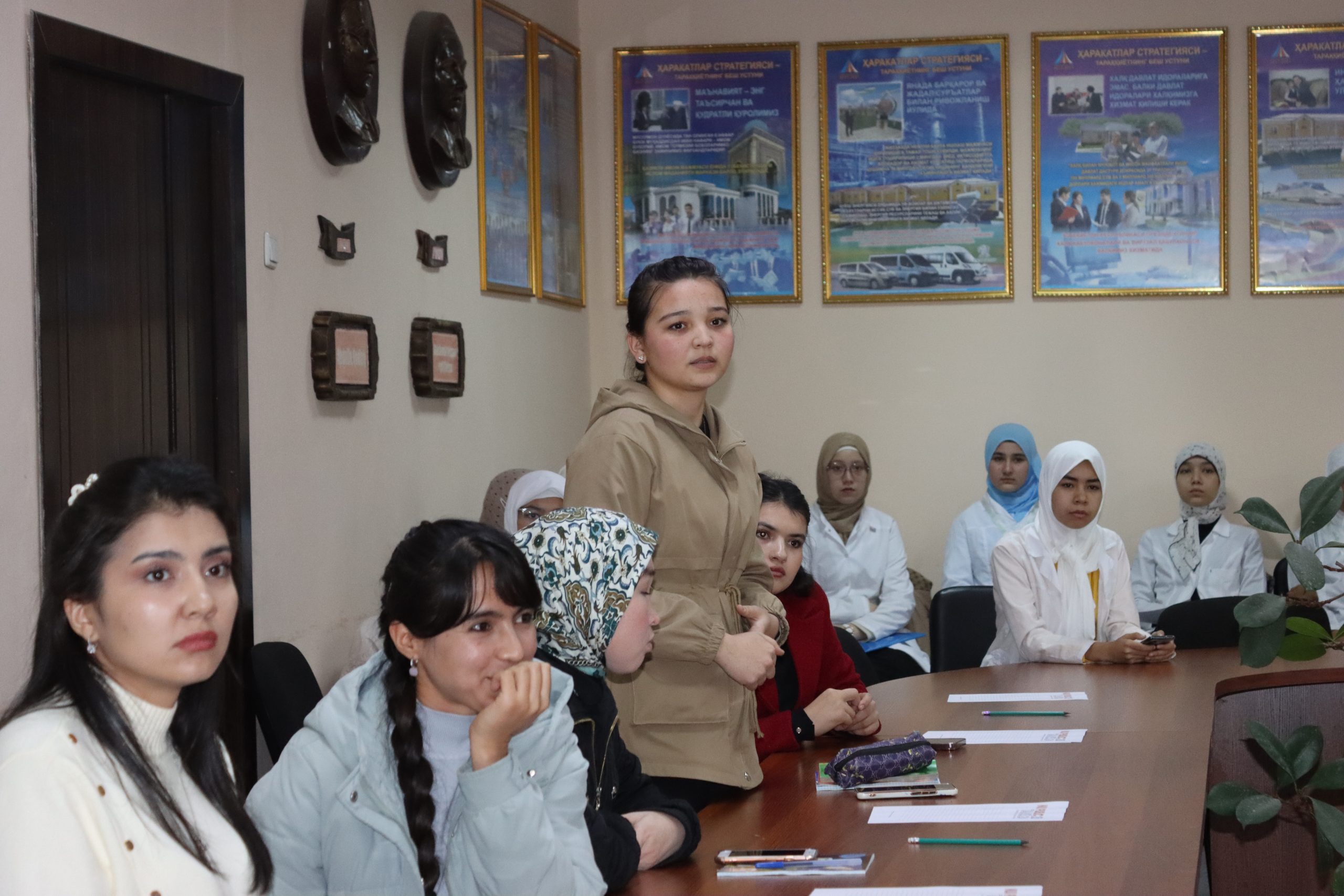
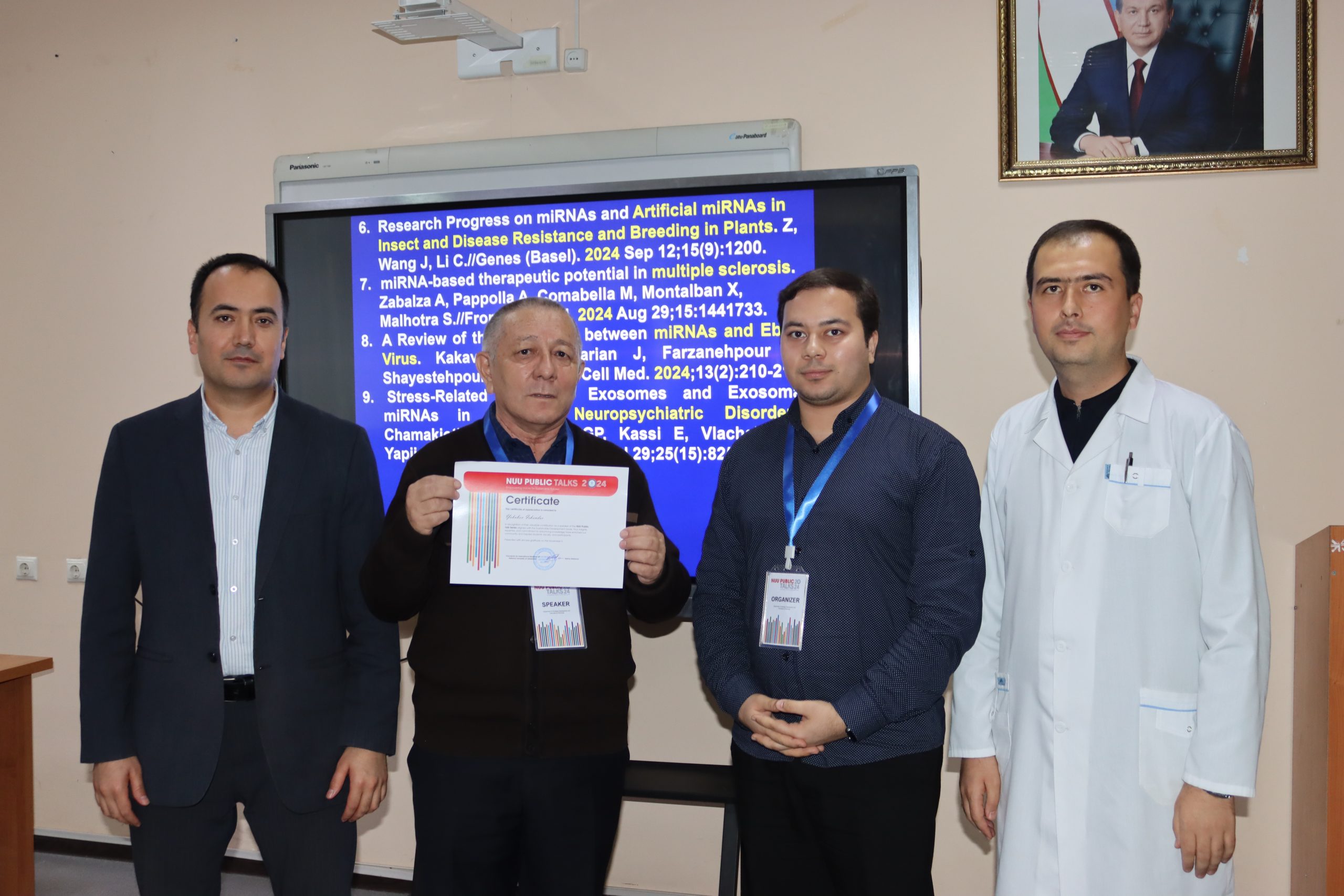

The NUU Public Talks series kicked off on October 31, 2024, marking a new chapter for the National University of Uzbekistan as it brings students, faculty, and the public together to discuss critical issues aligned with the UN Sustainable Development Goals. Initiated by Alijon Oripov, specialist of the Department of Strategic Development and International Rankings, this weekly event series is designed to foster dialogue and engagement with topics that impact both local and global communities.
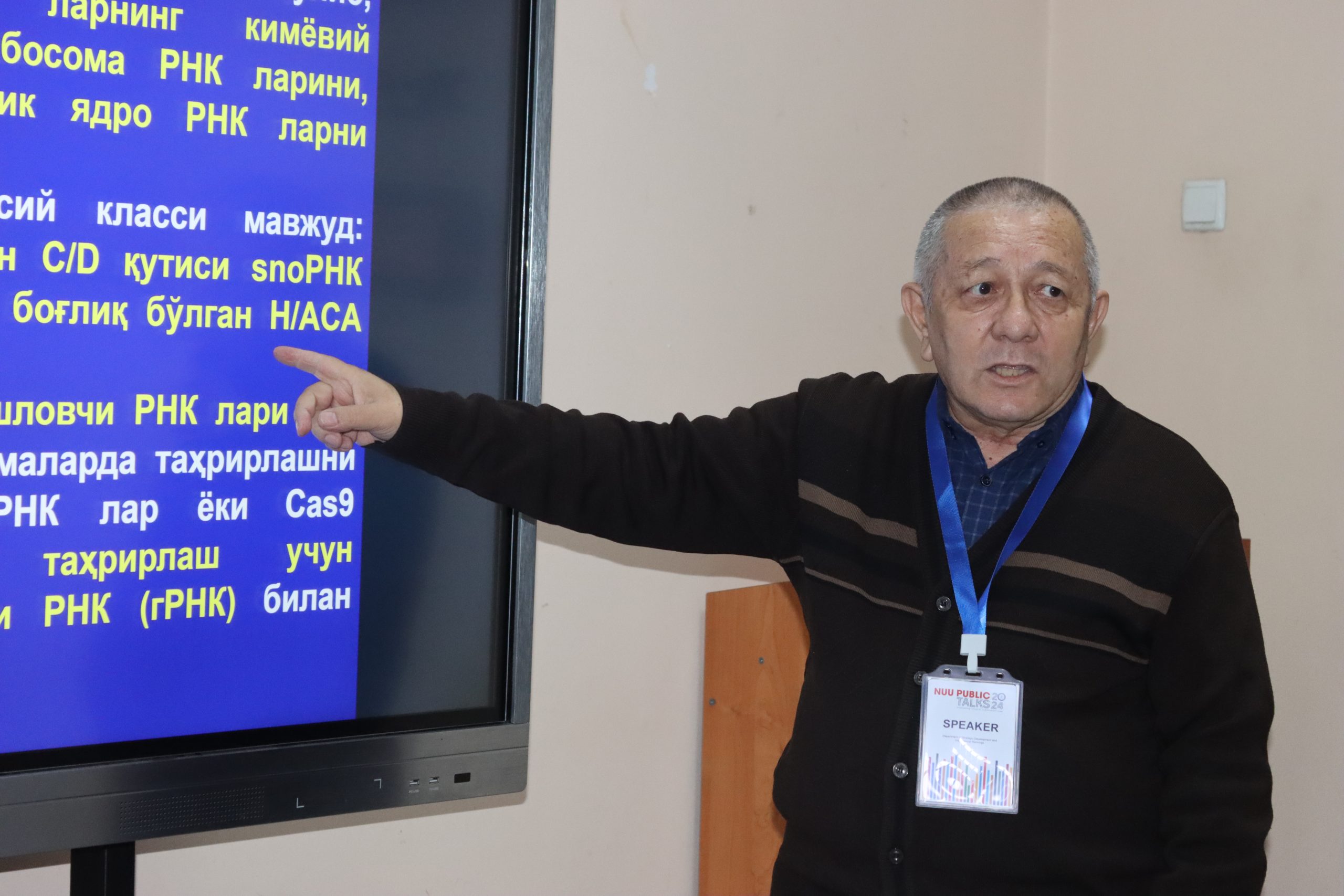
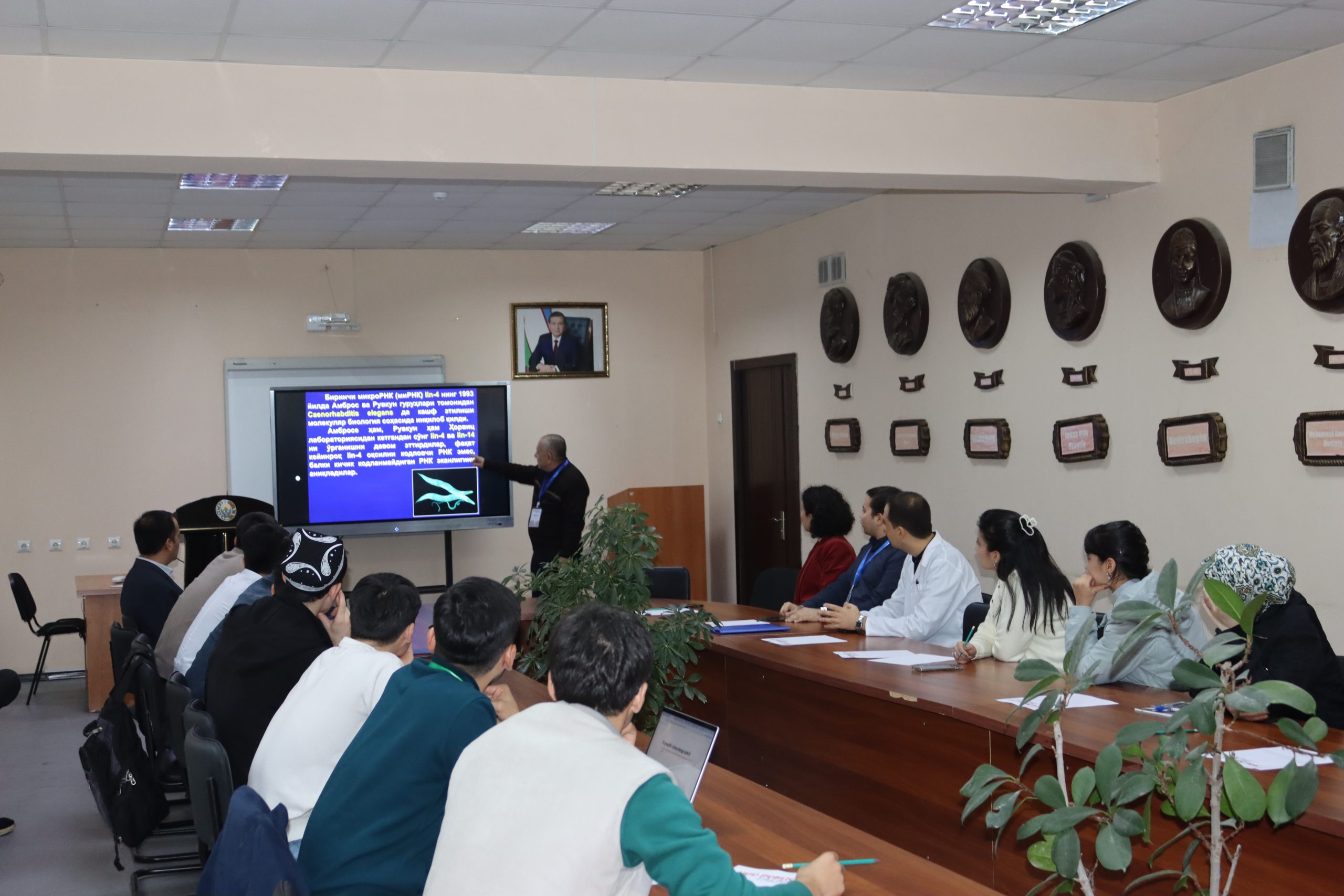
The second session, titled “2024 Nobel Prize – Discovery of microRNAs” was led by Iskandar Yakubov, Associate Professor of the Department of Genetics of NUU.
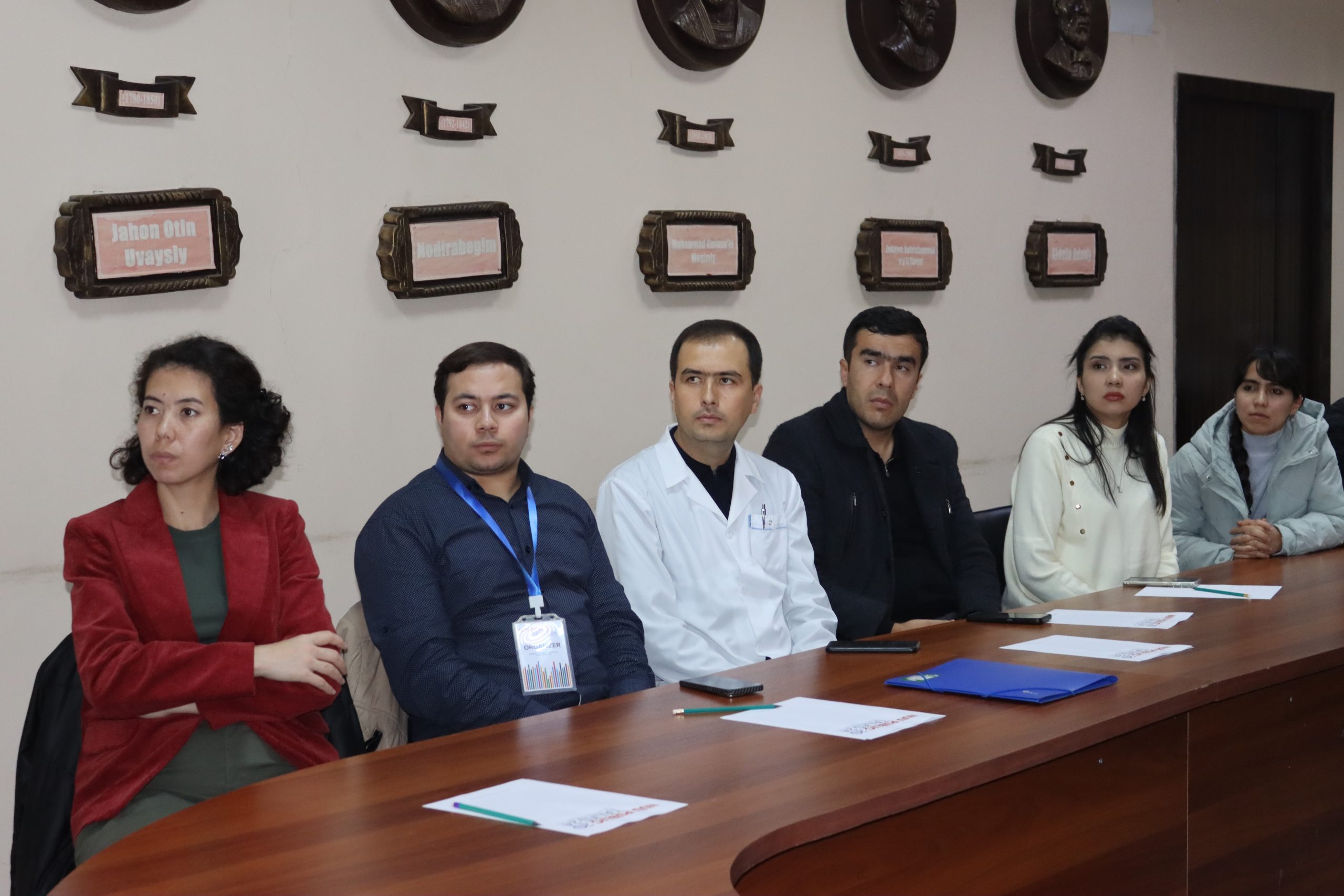
Today, on November 6, the second event of the NUU Public Talks Series project took place at the Faculty of Biology at NUU. Organized in partnership by the Club of Young Biochemists and the Department of Strategic Development and International Rankings, the event saw the participation of NUU professors, doctoral researchers, undergraduate and graduate students, as well as high school students.
"This discovery reshapes our understanding of gene regulation," he said, "as microRNAs act as key regulators, fine-tuning gene expression to ensure cellular balance. This precise control is crucial not only for normal development but also for preventing diseases."
Iskandar Yakubov
In his lecture, Iskandar Yakubov explained to participants that this year’s Nobel Prize in Physiology or Medicine was awarded to Victor Ambros and Gary Ruvkun for their discovery of microRNAs and their critical role in the regulation of gene expression.
“The genetic information in DNA is transferred via messenger RNA (mRNA) to ribosomes, where it is translated to produce proteins. In this process, various microRNA molecules participate and help regulate gene expression,” said Yakubov Iskandar.
During the talk, he provided detailed information on the structure of microRNAs, their cellular functions, synthesis processes, and the scientific and practical significance of this discovery.
Dr. Yakubov also explained the practical implications of microRNAs, noting how their role in regulating gene expression opens new paths for understanding and treating complex diseases, such as cancer. He engaged the audience by emphasizing the importance of this Nobel-winning research in human health and its potential to drive innovative medical treatments.
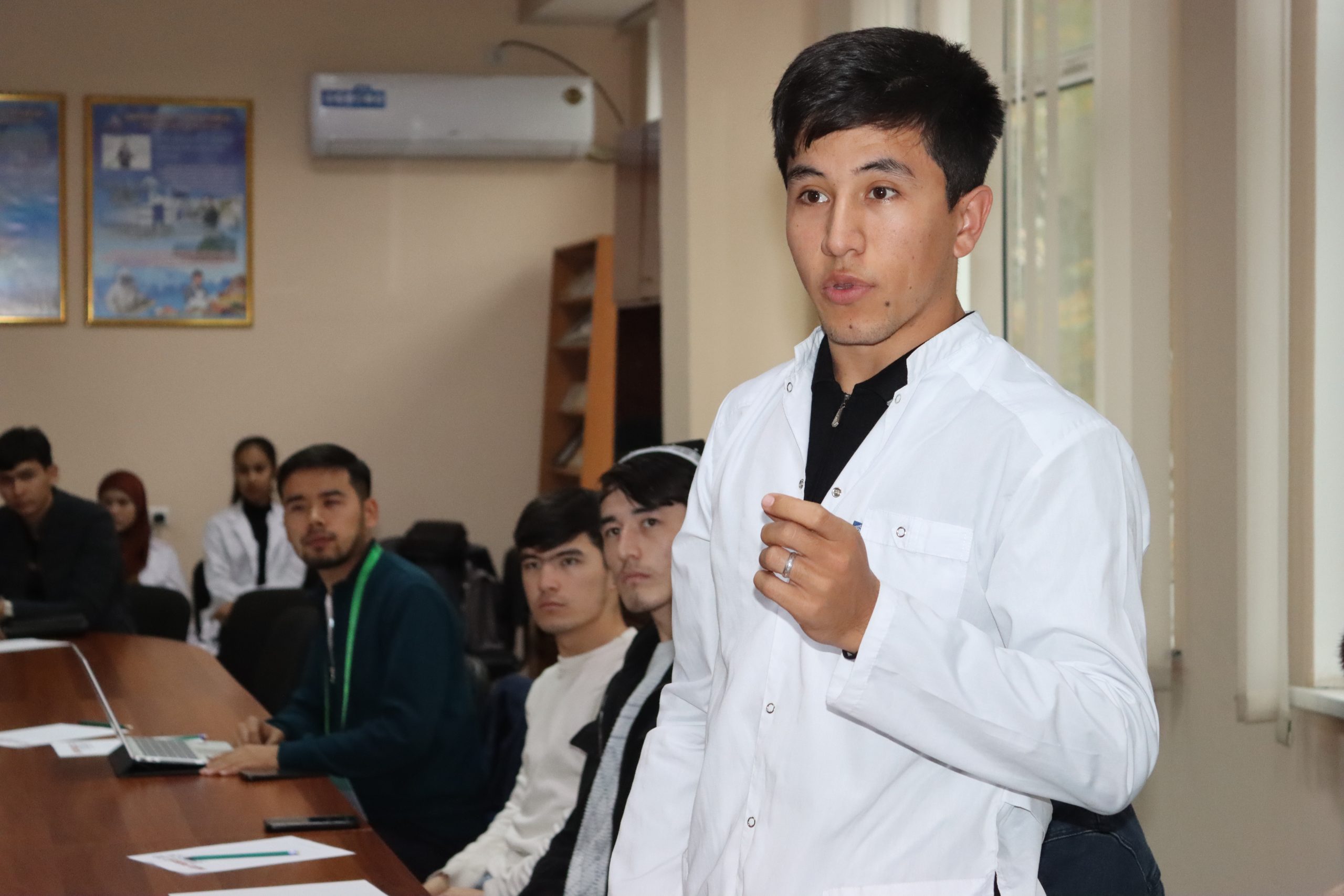
The lecture was conducted in an interactive Q&A format, with participants asking questions about the role of the discovery in human health and disease prevention.