
A Groundbreaking Collaboration Between NUUz and the University of Vienna
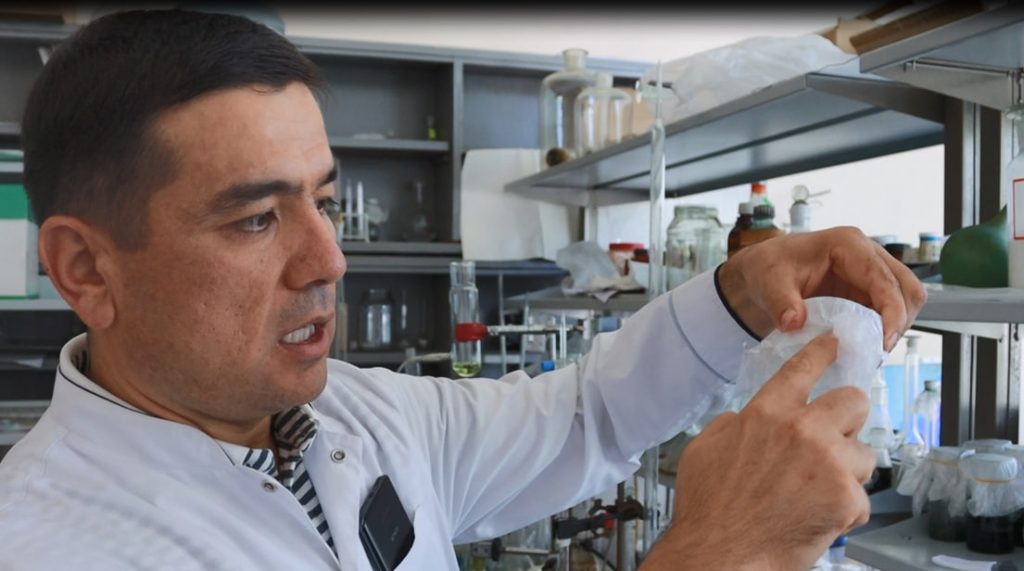
This advanced research project, titled “Photocatalytic Decomposition of Wastewater Involving Nanofunctional Nanomaterials,” is led by Professor Mukhamadiev and Professor Davron Bekchanov from NUUz, in partnership with Professor Peter Liebelzak from the University of Vienna. The project aims to address one of the most pressing environmental challenges of our time: the effective treatment of wastewater contaminated with toxic organic compounds.
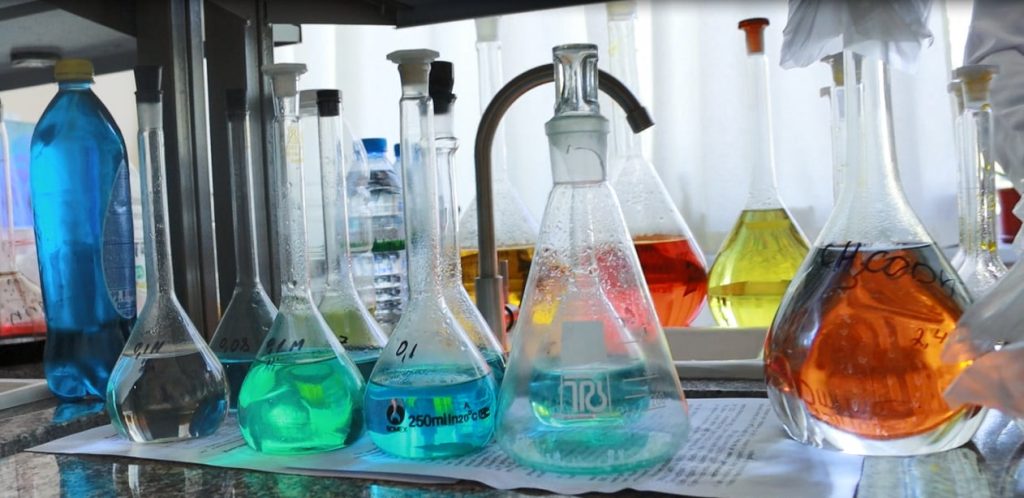
The core objective of this project is the synthesis and application of functional materials containing metal oxide particles. These materials are designed to be highly effective in breaking down toxic organic compounds found in wastewater through a process known as photocatalysis.
The photocatalytic decomposition method involves using light energy to activate the metal oxide particles, which then initiate chemical reactions that break down harmful pollutants into less toxic or inert substances. This cutting-edge technology offers a promising solution for the treatment of wastewater, particularly in industrial settings where conventional methods may fall short in addressing complex contaminants.
Recognizing the potential impact of this research, the project has garnered significant financial support. The project won an award totaling 4 billion soms orginized by The Ministry of Higher Education, Science and Innovation , a clear indication of the project’s importance and the confidence in its potential to improve water quality and contribute to environmental health.
The “Photocatalytic Decomposition of Wastewater Involving Nanofunctional Nanomaterials” project is a prime example of how academic collaboration can lead to groundbreaking innovations in environmental science. With the support of substantial funding and the combined expertise of leading researchers from Uzbekistan and Austria, this project is set to make significant contributions to the field of wastewater treatment. As the research progresses, it holds the promise of delivering practical, scalable solutions that will benefit both the environment and public health on a global scale.