



a model of sustainable agriculture on campus
The National University of Uzbekistan (NUU) is at the forefront of the introduction of environmentally friendly methods in the field of agriculture and food production. The university’s agricultural activities, including extensive gardens and greenhouses, are an important part of these efforts. These initiatives not only contribute to the achievement of the University’s sustainable development goals, but also provide students with valuable practical experience, especially in the Faculty of Biology.
Campus agriculture: a combination of education and sustainable development
Growing various fruits: Orchards in Uzbekistan attest to the university’s commitment to agricultural diversity and sustainable development. There are many fruit trees in these gardens, including apple trees, pears, cherries, plums and apricots. This diverse cultivation not only contributes to the university’s goal of growing fresh and sustainable fruits, but also helps to maintain the biodiversity of the campus environment.
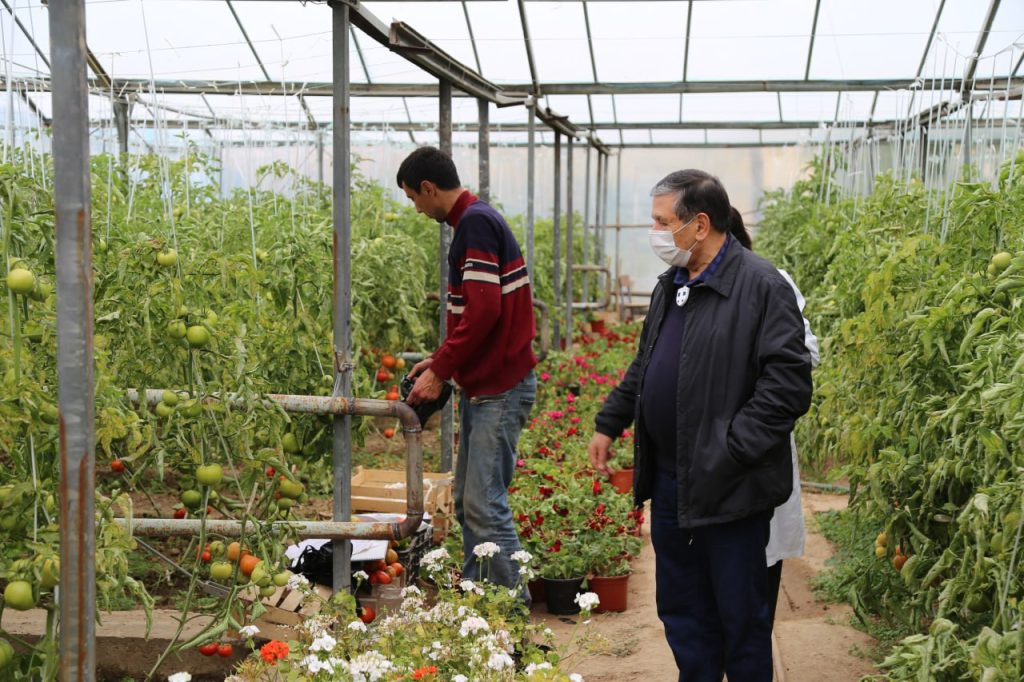
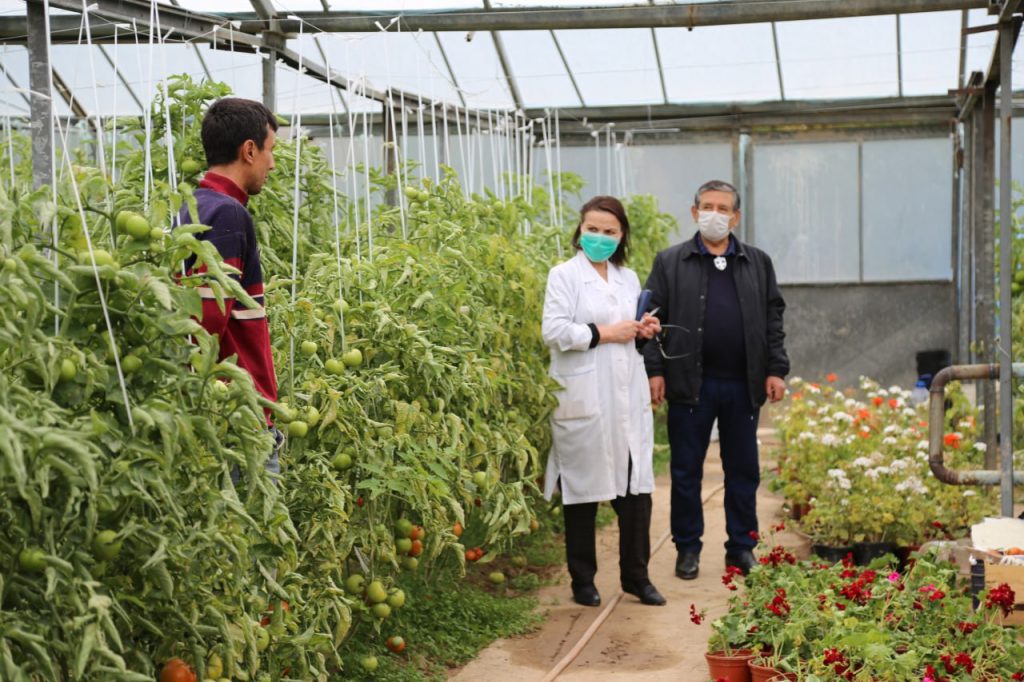
Growing a variety of vegetables: NUUz greenhouses are designed for year-round vegetable production, which allows the university to grow a wide range of vegetables such as tomatoes, cucumbers, peppers and leafy greens. These greenhouses create a controlled environment with carefully controlled temperature, humidity and lighting to optimize plant growth.
Sustainable water supply: an important aspect of farming activities on the nuuz campus is the use of well water for irrigation. The University uses eight innovative wells on campus that provide a sustainable source of water for gardens and greenhouses. This approach minimizes the use of urban fresh water to suit the University’s desire to conserve water.