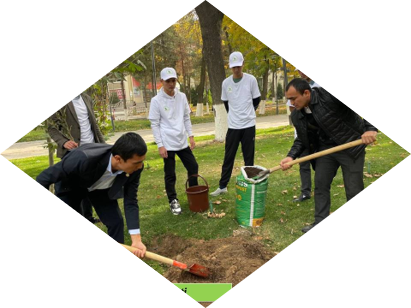
The National University of Uzbekistan recently hosted a thought-provoking workshop focused on the intersection of social justice and environmental sustainability. This event brought together students, faculty members, community leaders, and environmental advocates to explore the complex relationships between human rights, equity, and environmental conservation.
The workshop began with an engaging keynote address by Dr. Gulnara Khamraeva, a leading expert in environmental law and social justice. Dr. Khamraeva emphasized the importance of recognizing and addressing the disproportionate impacts of environmental degradation on marginalized communities, underscoring the need for inclusive and equitable approaches to environmental policy and decision-making.
Throughout the workshop, participants engaged in interactive discussions, group activities, and case studies to deepen their understanding of the interconnected challenges facing society today. They explored topics such as environmental racism, climate justice, indigenous rights, and sustainable development, highlighting the ways in which social injustices exacerbate environmental issues and vice versa.
One of the key themes that emerged from the workshop was the importance of centering social justice principles in environmental advocacy and policy-making. Participants discussed strategies for promoting equity, diversity, and inclusion in environmental initiatives, emphasizing the need to amplify the voices of marginalized communities and address systemic barriers to participation and access.
The workshop also featured a panel discussion with experts from diverse backgrounds, including environmental activists, human rights advocates, and community organizers. They shared their experiences working at the intersection of social justice and environmental sustainability, highlighting successful initiatives that promote both equity and ecological resilience.
As the workshop concluded, participants reflected on the urgent need to build bridges between social justice movements and environmental conservation efforts. They recognized the interconnectedness of social and environmental challenges and committed to taking collective action to create a more just and sustainable future for all.
Moving forward, the National University of Uzbekistan is dedicated to advancing research, education, and community engagement initiatives that promote social justice and environmental sustainability. By fostering dialogue, collaboration, and knowledge-sharing across disciplines, we can work towards a more inclusive and equitable society where all individuals have the opportunity to thrive in harmony with nature.
In conclusion, the workshop on fostering social justice and environmental sustainability at the National University of Uzbekistan was a catalyst for meaningful conversations and transformative insights. By embracing a holistic approach to addressing social and environmental issues, we can build a more resilient and equitable world for current and future generations.